How to Fix Scratched Wood Furniture Without Refinishing
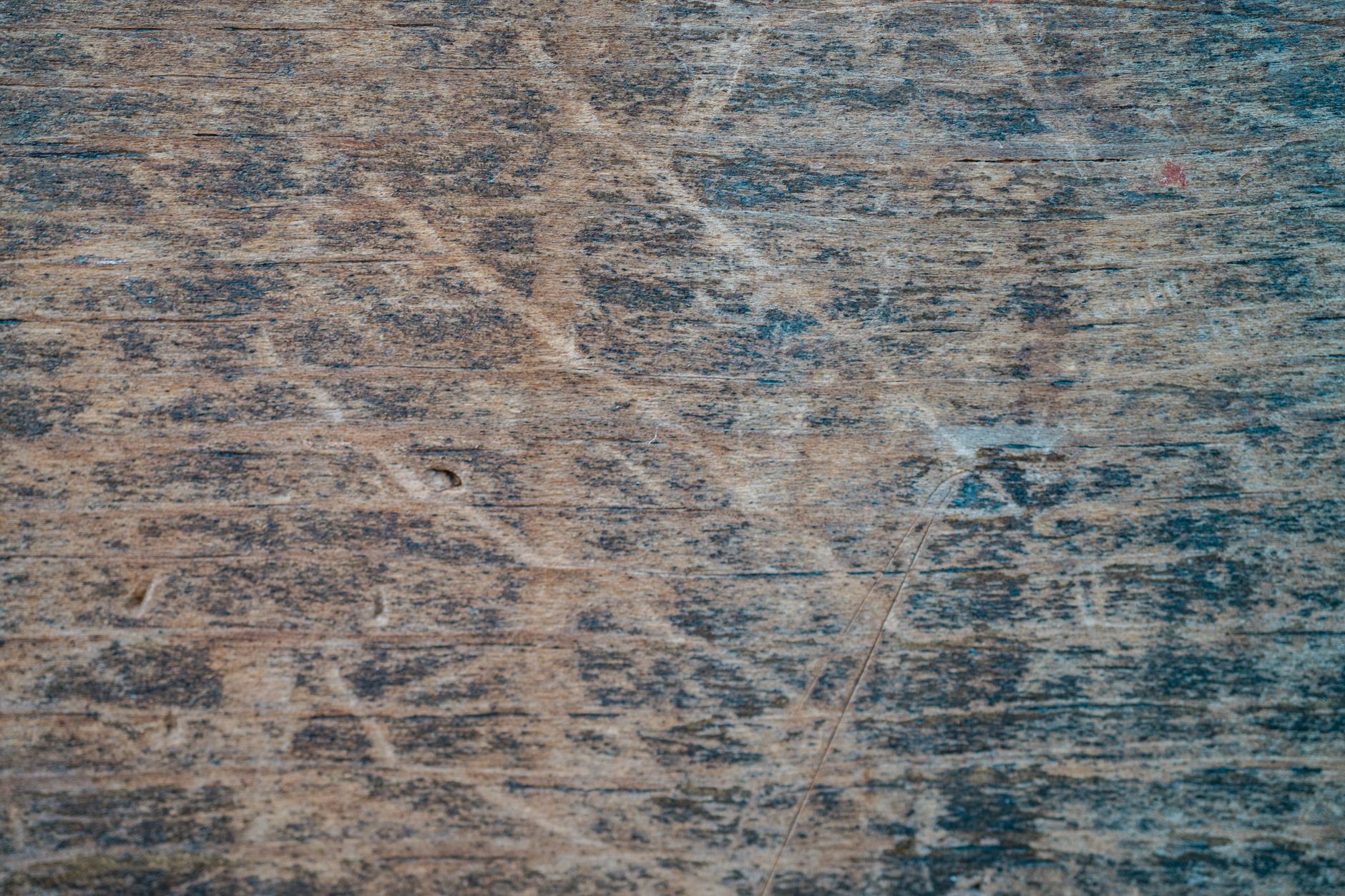
My coffee table came with the apartment — solid oak, built sometime in the 1980s, already carrying thirty years of water rings and surface scratches. I almost sanded and refinished the whole thing. Then a furniture restorer I met at a flea market told me to try something first: a walnut.
Not walnut stain. An actual walnut. The nut you eat. I thought he was messing with me. He was not. It worked so well on the light scratches that I never did refinish the table. Here is what works and when.
The walnut trick (for light surface scratches)
Rub a raw, shelled walnut over the scratch, following the wood grain. The natural oils in the nut fill the scratch and darken the raw wood so it blends with the surrounding finish. Wipe away any excess with a soft cloth. The repair is not permanent — it will fade over months — but you can reapply in seconds.
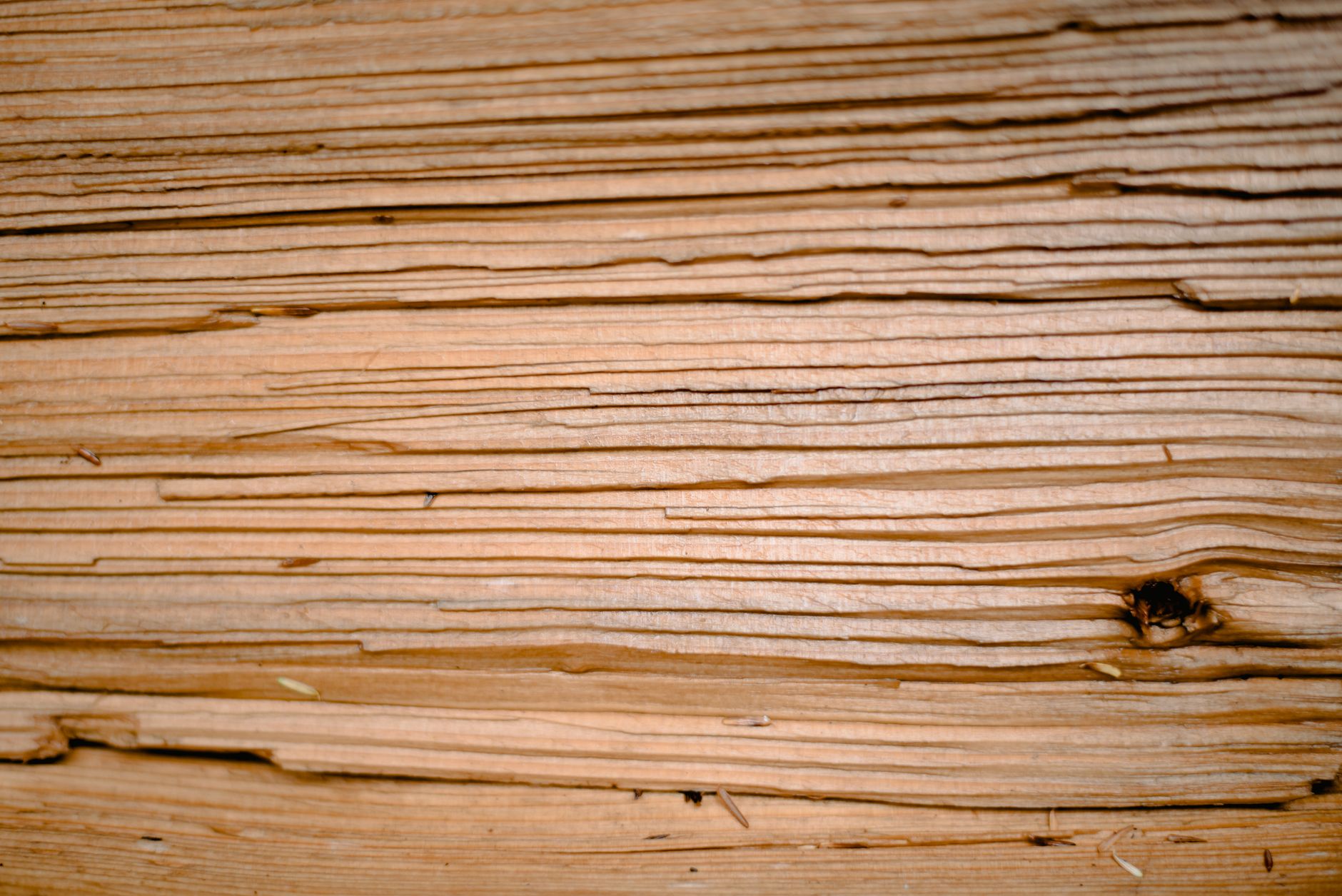
This works on scratches that are in the finish layer, not deep gouges that go into the wood. If you can feel the scratch with your fingernail, the walnut might reduce its appearance but will not eliminate it.
For medium scratches: the iron and damp cloth method
This sounds bizarre but the physics is solid. Wood fibers compress when scratched. Steam makes compressed wood fibers expand back to their original shape. Place a damp — not wet — cotton cloth over the scratch. Press a hot iron onto the cloth for 5 to 10 seconds at a time. Lift, check, repeat.
The steam penetrates the finish and swells the compressed wood. It works best on scratches that dented the wood rather than tore it. Deep gouges that removed material will not respond to this.
For multiple scratches: the tea stain blend
Brew a very strong cup of black tea. Steep three tea bags in half a cup of water for 15 minutes. The tannins in tea are chemically similar to commercial wood stains. Dip a cotton swab in the cooled tea and apply it to scratches, building up layers until the color matches the surrounding wood.
Test on an inconspicuous area first — different wood species absorb tea differently. Oak and walnut darken significantly. Maple and birch barely change. After the tea dries, buff the area with a soft cloth and a tiny amount of furniture polish to blend the repair with the existing finish.
When to actually refinish
If the scratch goes through the finish and into bare wood, and the wood itself is gouged or splintered, wood filler and refinishing are your only real options. But for the 80 percent of scratches that are just surface-level annoyance, one of the methods above will make the damage nearly invisible.
📋 Quick Summary: Rub a raw walnut on light scratches, steam medium scratches with a damp cloth and iron, or use strong tea as a natural stain for multiple scratches. Save the sanding for deep gouges.