How to Winterize Your Outdoor Faucets in 5 Minutes
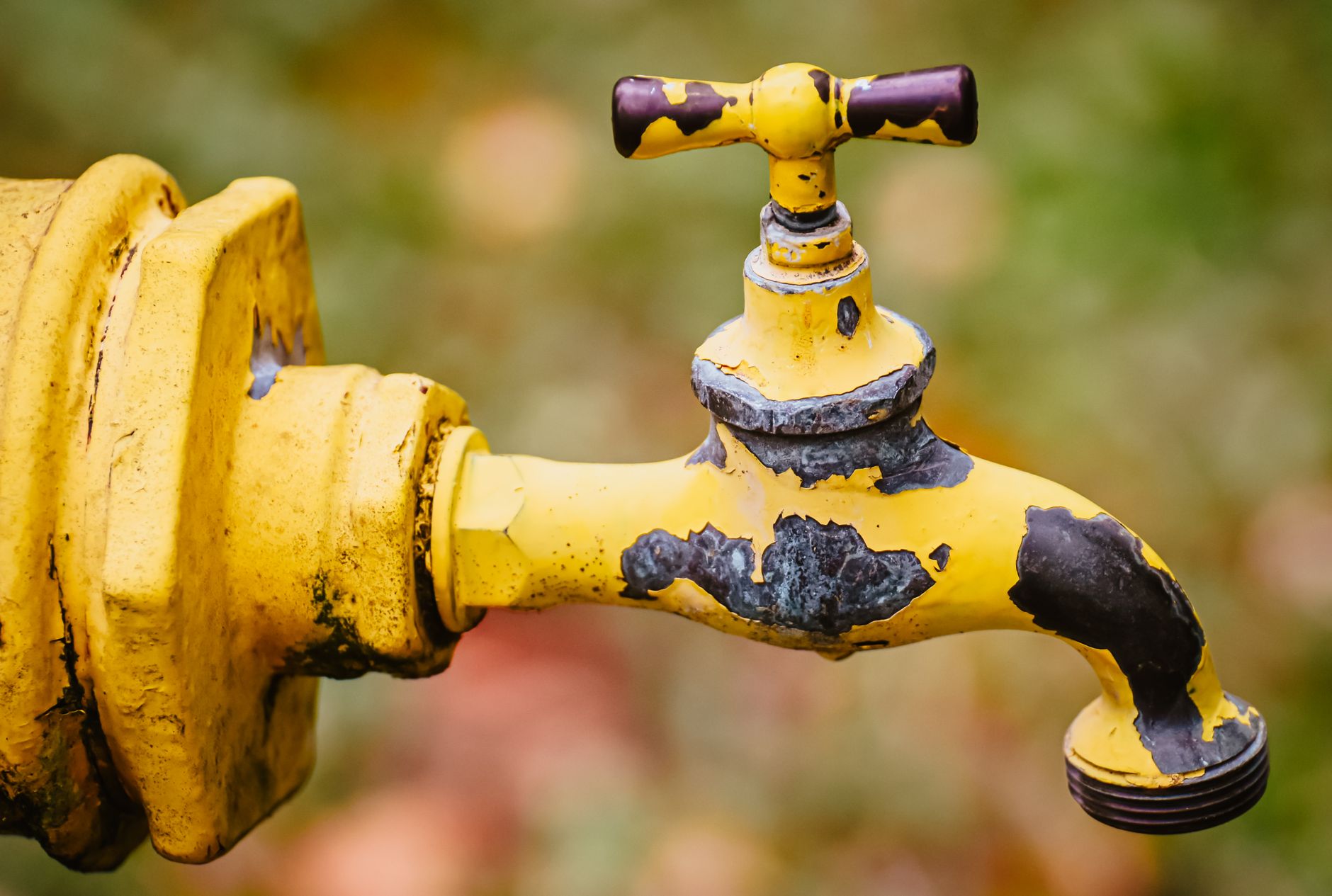
A frozen outdoor pipe burst in my neighbor’s house two winters ago. The water ran for hours before anyone noticed — it destroyed a finished basement, cost their insurance company forty thousand dollars, and displaced the family for three months. The fix that would have prevented it took less than five minutes.
I winterize my faucets every November now. It is the cheapest insurance you can buy for your house. Here is the routine.
Step one: disconnect everything
Unscrew every hose, splitter, timer, and attachment from every outdoor spigot. Even a “frost-free” hose left connected can trap water inside the faucet and cause it to freeze and crack. Roll up hoses and store them in a shed or garage — water left inside a coiled hose will freeze and split the rubber.
Step two: shut off the interior valve
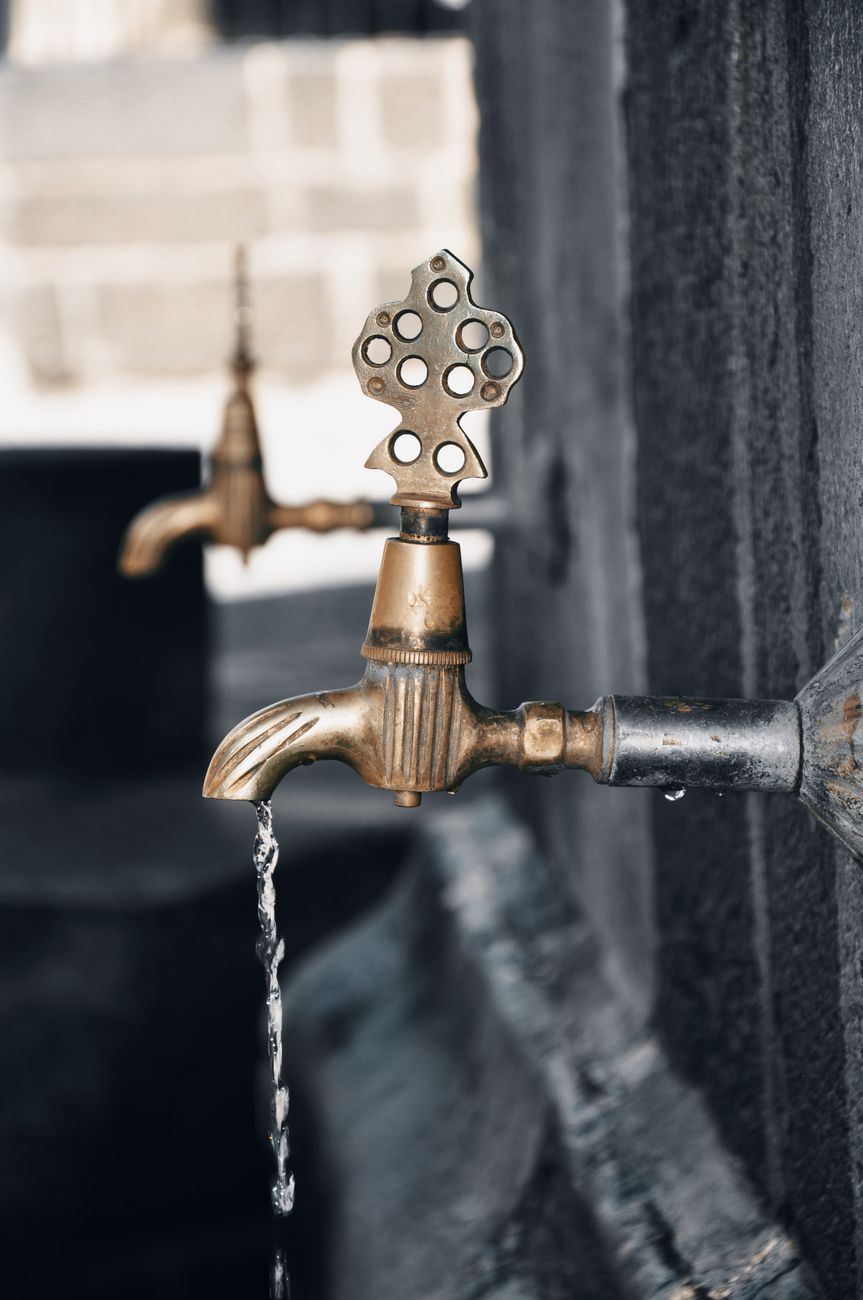
Most houses have a shut-off valve inside for each outdoor faucet. It is usually in the basement or crawlspace, on the same wall as the faucet, a few feet from where the pipe exits the house. Turn it clockwise until it stops. This cuts water supply to the outdoor faucet entirely.
If you cannot find a shut-off valve — some older houses do not have them — skip to step three and four, which become even more important.
Step three: drain the pipe
After shutting off the interior valve, go back outside and open the outdoor faucet all the way. Leave it open. Any water trapped in the pipe between the shut-off valve and the spigot will drain out. If water continues to drip steadily, the shut-off valve is not fully closed — go back and tighten it.
Step four: install an insulated cover
Even with the water shut off and drained, the metal faucet still conducts cold air into the wall. An insulated faucet cover — the foam or fabric kind that straps over the spigot — costs about five dollars at any hardware store. It creates a thermal barrier that keeps the pipe inside the wall above freezing.
In a pinch, wrap the faucet in a towel and secure it with a plastic bag and rubber bands. It is not as good as a purpose-built cover but it is better than nothing.
For houses in extreme cold
If you live somewhere that regularly hits single digits or below zero, add one more step: after draining, pour a small amount of RV antifreeze (the pink, non-toxic kind) into the open faucet. It settles into the low point of the pipe and prevents any residual water from freezing. Do not use automotive antifreeze — it is toxic and not meant for plumbing.
📋 Quick Summary: Disconnect hoses, shut off the interior valve, drain the faucet completely, and install an insulated cover. Five minutes in November saves a flooded basement in January.