Why Your Homemade Bread Is Dense and How to Fix It
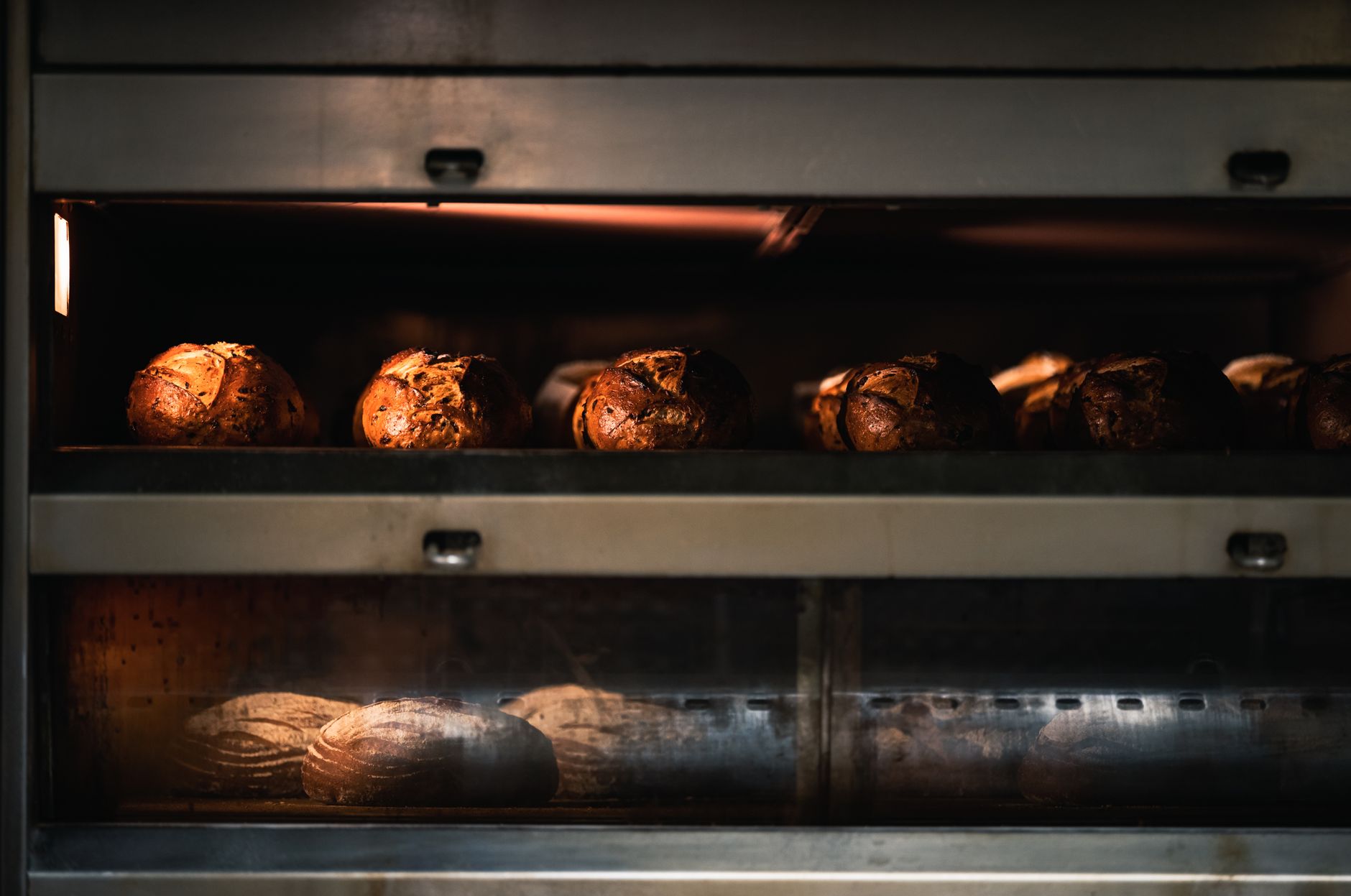
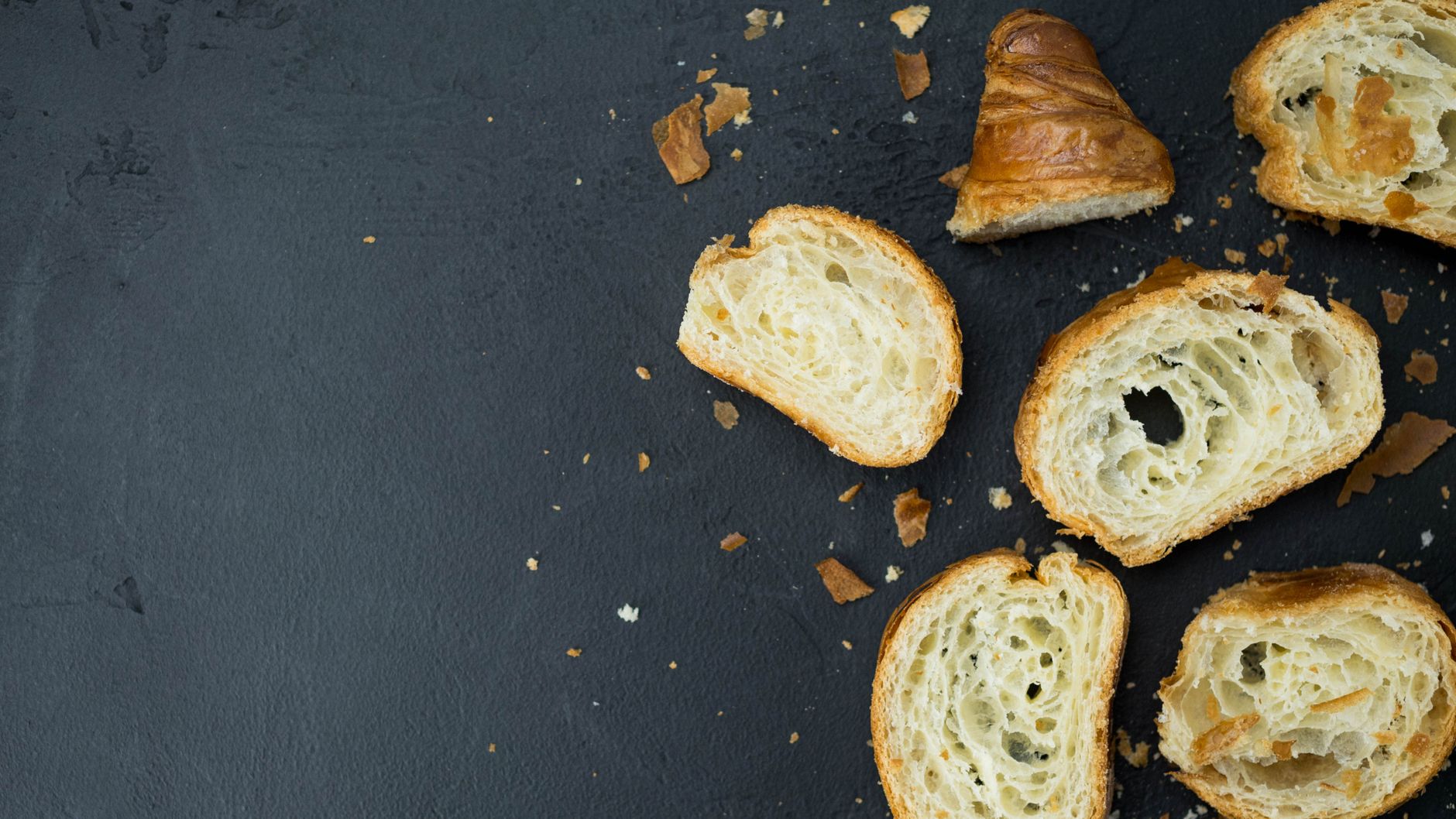
My first loaf of homemade bread could have been used as a doorstop. Dense, heavy, crumb like a sponge that had been stepped on. I followed the recipe exactly — or so I thought. The problem was not the recipe. It was four tiny things I was doing wrong without realizing.
Bread baking has a reputation for being fussy. It is not. It is just sensitive to a handful of variables that most recipes assume you already understand. Once you know them, your bread goes from brick to bakery in one bake.
You are probably killing your yeast
Yeast is a living thing. Hot water kills it. Most recipes say “warm water” without specifying a temperature. Warm means 100 to 110 degrees Fahrenheit — about the temperature of a comfortable bath. If the water feels hot to your wrist, it is too hot for yeast.
Use a thermometer once. After that, you will recognize the feel. Cold water will not kill yeast, but it will make it work so slowly that your dough never rises properly.
You are adding too much flour
This was my biggest mistake. The recipe said “3 to 4 cups of flour.” I added 4 because I thought more flour meant sturdier bread. Wrong. Too much flour makes bread dense because there is not enough water to create steam and expand the gluten network.
Start with the minimum amount in the recipe. Add more only if the dough is genuinely unworkable — sticking to everything like glue. A slightly sticky dough bakes into a lighter loaf than a stiff, dry one.
You are not kneading long enough
Gluten development takes time. Hand kneading should go for 8 to 10 minutes. The windowpane test tells you when it is done: pull off a small piece of dough and stretch it gently. If it stretches thin enough to see light through without tearing, the gluten is developed. If it tears immediately, keep kneading.
A stand mixer with a dough hook cuts this to 5-7 minutes. But do not walk away — over-kneaded dough becomes tough.
You are rushing the rise
Dough needs time. The first rise (bulk fermentation) should take 60 to 90 minutes in a warm spot. The dough should double in size. If your kitchen is cold, put the dough in the oven with just the light on — that gives you about 80 degrees, which is perfect.
The second rise (proofing) is shorter — 30 to 45 minutes. The poke test works here: press a floured finger into the dough. If the indentation springs back slowly, it is ready. If it springs back fast, give it more time. If it stays, you over-proofed — bake it anyway, it will still taste good.
The steam secret
Professional bakers inject steam into their ovens. You can fake this at home. Put a shallow metal pan on the bottom rack while the oven preheats. When you slide the bread in, pour a half cup of hot water into the pan and close the door fast. The steam keeps the crust soft during the first 10 minutes, letting the bread expand fully before the crust sets.
📋 Quick Summary: Use 100-110°F water for yeast, start with the minimum flour, knead 8-10 minutes, let dough double in size, and add steam to the oven. Four fixes, lighter bread.