How to Keep Ginger Fresh for Weeks Without Refrigeration

I used to treat ginger like a disposable ingredient. Buy a knob, use a thumb-sized piece for stir-fry, toss the rest two weeks later when it looked like a shriveled twig. Repeat. The waste annoyed me but I figured that was just how ginger worked.
Then my friend’s mom — who runs a tiny Thai restaurant — saw my ginger graveyard and laughed. “You’re storing it wrong,” she said. She showed me a method that costs zero dollars and keeps ginger firm and juicy for three to four weeks. I have not thrown out a piece of ginger in over a year.
Why the fridge ruins ginger
Ginger is a tropical rhizome. The fridge is cold and dry — two things ginger hates. Cold temperatures break down its cell walls, turning it mealy. The dry air pulls moisture out, leaving you with a wrinkled stick that tastes like cardboard.
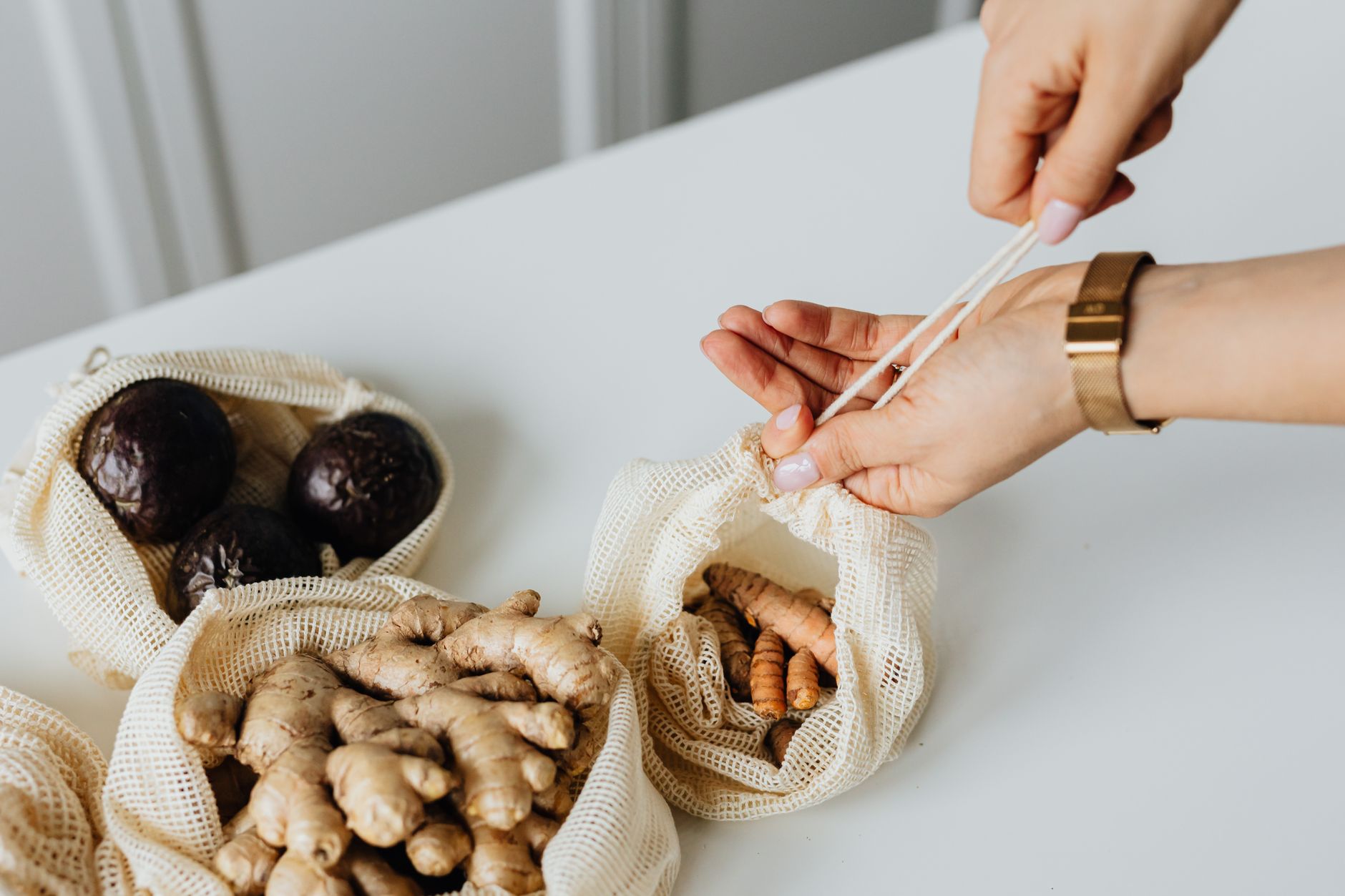
The grocery store keeps ginger at room temperature for a reason. The trick is replicating those conditions at home without letting it sprout or mold.
The sand method (yes, sand)
This is what my friend’s mom taught me. Fill a small terracotta pot or ceramic container with clean, dry play sand. Bury the ginger completely in the sand and leave the pot on your counter — away from direct sunlight.
The sand regulates moisture. It absorbs excess humidity so the ginger does not rot, but it also prevents the rhizome from drying out. Think of it as a natural humidity controller.
Every time you need ginger, dig it out, break off what you need, and re-bury the rest. The exposed end will callus over in the sand and stay fresh.
No sand? The paper towel method
Wrap unpeeled ginger in a barely damp paper towel — not wet, just slightly humid. Place it in an unsealed zip-top bag or a paper bag. Store it in a cool, dark cabinet, not the fridge.
Check the towel every few days. If it is dry, add a few drops of water. If it is soggy, replace it. The goal is a microclimate that mimics tropical soil — moist but not wet.
What about freezing?
Freezing works if you use ginger frequently. Peel it, slice it into coin-sized pieces, and freeze them in a single layer on a tray. Once frozen, transfer to a bag. Frozen ginger grates beautifully straight from the freezer — no need to thaw.
The texture changes slightly after freezing, so this is better for cooking than for fresh applications like tea or garnish. But for stir-fries and curries, it is perfect.
Things I got wrong the first time
- Washing before storing. Water trapped in crevices leads to mold. Store ginger unwashed and scrub it right before use.
- Plastic bags with no airflow. Trapped moisture = rot. Always leave the bag slightly open or poke a few holes.
- Storing near onions. Ginger absorbs onion odor like a sponge. Keep them apart.
📋 Quick Summary: Bury ginger in dry sand on the counter, or wrap in a barely-damp paper towel in a cool cabinet. Freeze peeled slices for cooking. Skip the fridge entirely — it is ginger’s worst enemy.