How to Prevent Chapped Lips Before Winter Hits
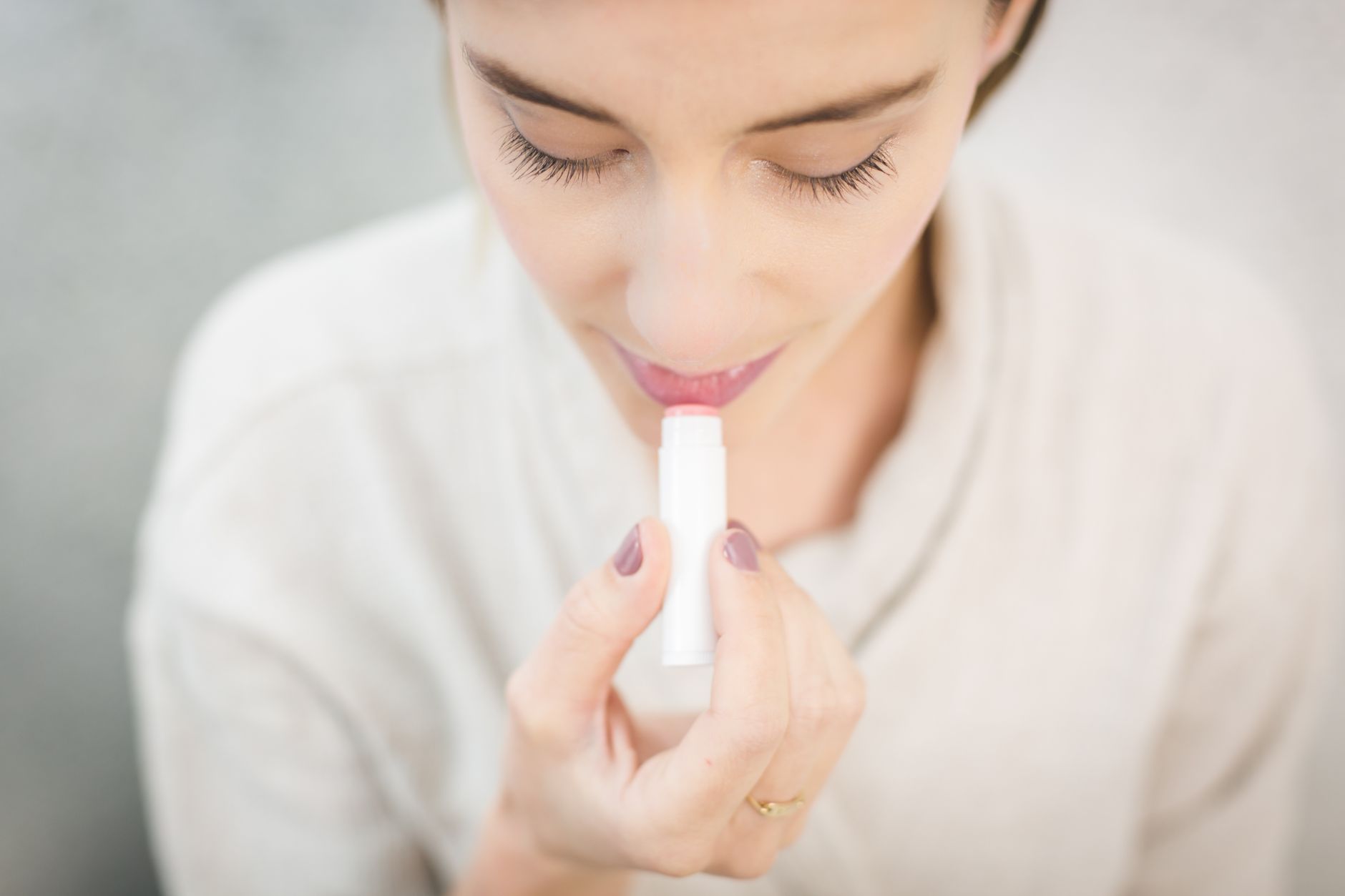
Every November my lips would crack. I would buy a new lip balm, apply it obsessively, and still end up with painful splits by December. Then a dermatologist friend explained that most lip balms make the problem worse — and that preventing chapped lips starts in October, not when they are already bleeding.
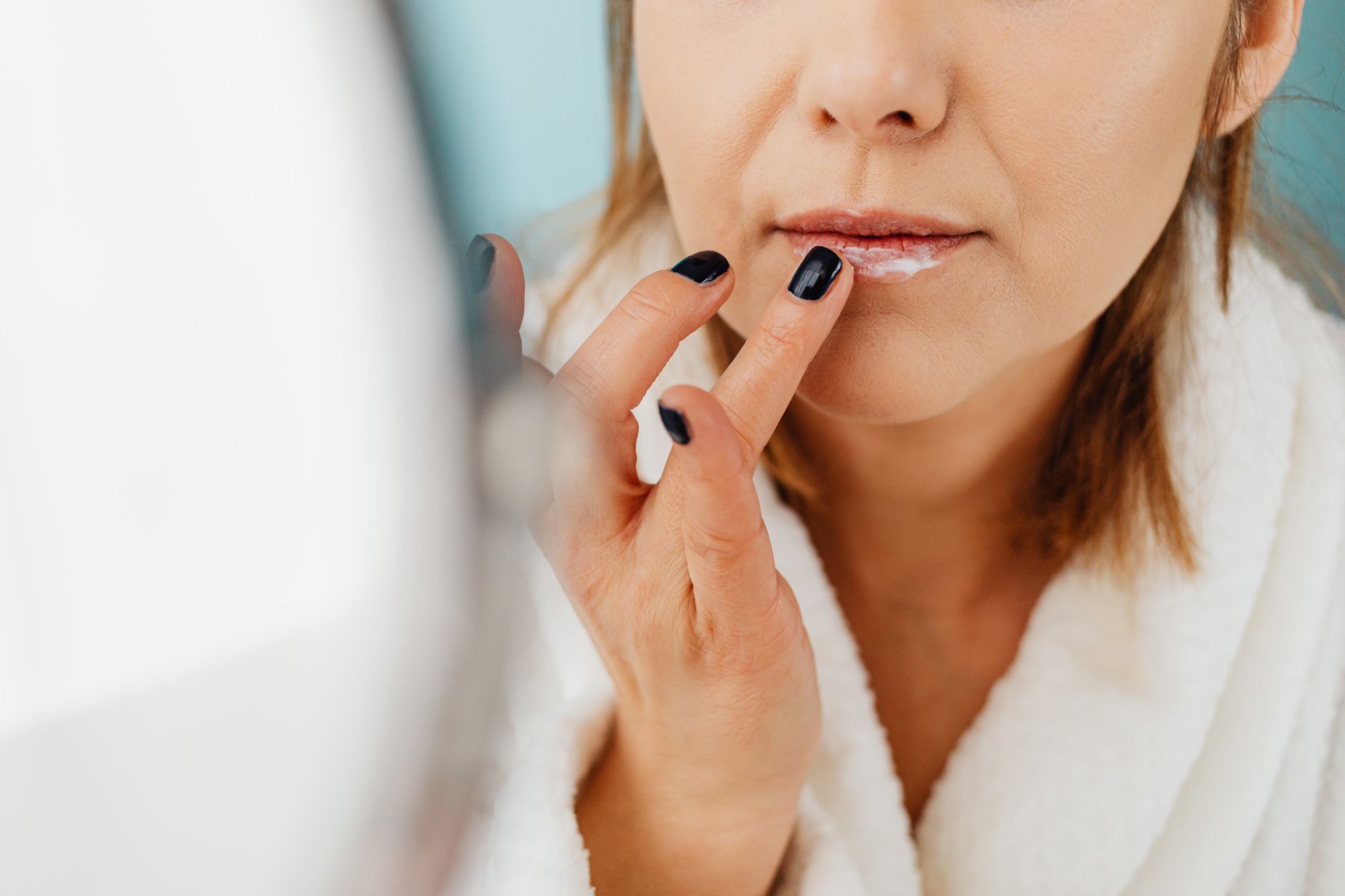
Why most lip balms make things worse
A lot of popular balms contain ingredients that feel good for about ten minutes and then dry your lips out further. Menthol, camphor, and phenol give that cooling tingle but they are mild irritants. Salicylic acid exfoliates — you do not need to exfoliate your lips. Fragrance and flavorings trigger licking, and saliva contains digestive enzymes that break down the thin skin on your lips.
What you want is a balm with petrolatum, lanolin, or beeswax as the main ingredient. These are occlusives — they form a barrier that traps moisture in your lips. No fragrance. No tingle. Boring ingredients, good results. Aquaphor and plain Vaseline are both better than most $8 lip balms.
The real prevention strategy
Start before cold weather arrives. Here is the routine that finally broke my annual lip-cracking cycle:
- Hydrate from inside. Drink water. Dry indoor heat in winter dehydrates you faster than summer. If your lips are dry, you are probably under-hydrated generally.
- Apply balm at night. Put on a thick layer of petrolatum-based balm right before bed. You do not lick your lips or talk while you sleep, so it stays on for hours. This is the single most effective thing I did.
- Cover your mouth outside. A scarf or face covering traps the moisture from your breath and creates a humid microclimate around your lips. It looks dorky. It works.
- Stop licking your lips. You do it without thinking. When you notice yourself doing it, apply balm instead. Licking wet-dry-wet-dry cycles destroy lip skin faster than cold wind.
- Use a humidifier in your bedroom. Forced-air heating pulls humidity out of the air until it is drier than a desert. A humidifier set to 40 to 50 percent keeps your lips from drying out overnight.
I started this routine in mid-October last year. By the time the first freeze hit in November, my lips were already in good shape — and they stayed that way through March. No cracking. No bleeding. No constant balm reapplication. Just one boring balm, used strategically.
📋 Quick Summary: Use a petrolatum-based balm with no fragrance or menthol. Apply heavily at night. Start hydrating and using a humidifier before cold weather arrives. Cover your lips with a scarf outside. Stop licking them.