How to Protect Your Plants From an Unexpected Frost
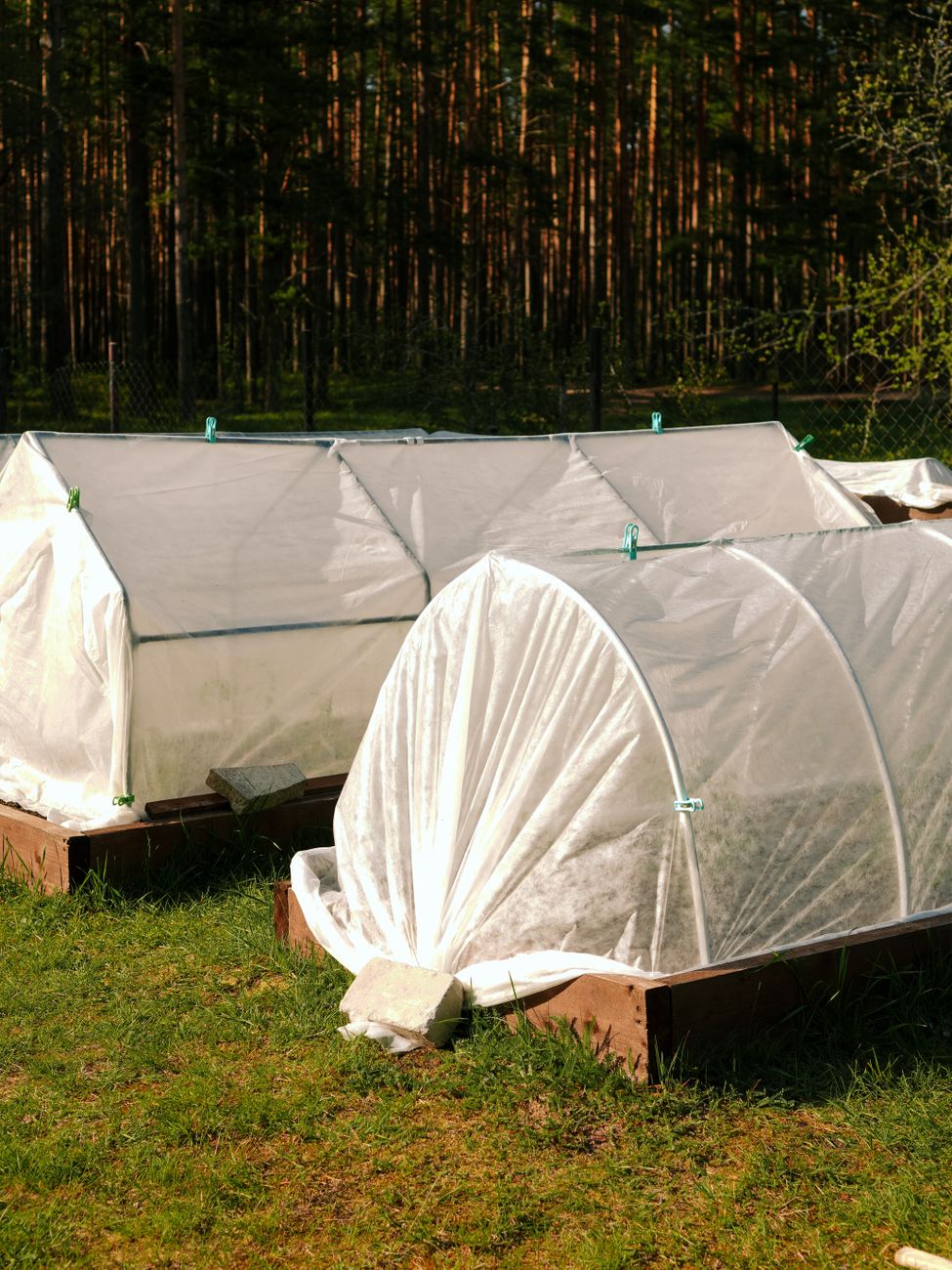
I checked the weather at 4 PM. No frost warning. At 9 PM, my phone buzzed with an alert: temperatures dropping to 28 degrees overnight. I had tomato plants, pepper starts, and a new hydrangea in the ground. None of them would survive uncovered. I grabbed what I had and saved about 80 percent of them. Here is what I learned about last-minute frost protection.
What to grab first (in order of priority)
- Old bedsheets or lightweight blankets. These are your best bet. Drape them over plants so the fabric reaches all the way to the ground. The goal is to trap heat rising from the soil. Secure the edges with rocks, bricks, or landscape staples so the wind does not blow them off.
- Row cover or frost cloth. If you garden regularly, keep a roll of floating row cover on hand. It is lightweight, breathable, and designed for this exact situation. You can leave it on for days without harming the plants.
- Cardboard boxes. In a pinch, an upside-down cardboard box over each plant works. Weight the top with a rock. Remove them first thing in the morning — they block light.
- Plastic sheeting — with a warning. Plastic works but only if it does not touch the leaves. Anywhere plastic touches a leaf, that leaf will freeze. Use stakes or tomato cages to hold the plastic above the plants like a tent.
What not to do
Do not use plastic directly on plants — see above. Do not use thin garbage bags; they offer almost no insulation. And do not water your plants at night thinking it will help. Wet soil actually loses heat faster than dry soil in a frost. Water in the morning after the frost passes if plants look wilted.
The morning after
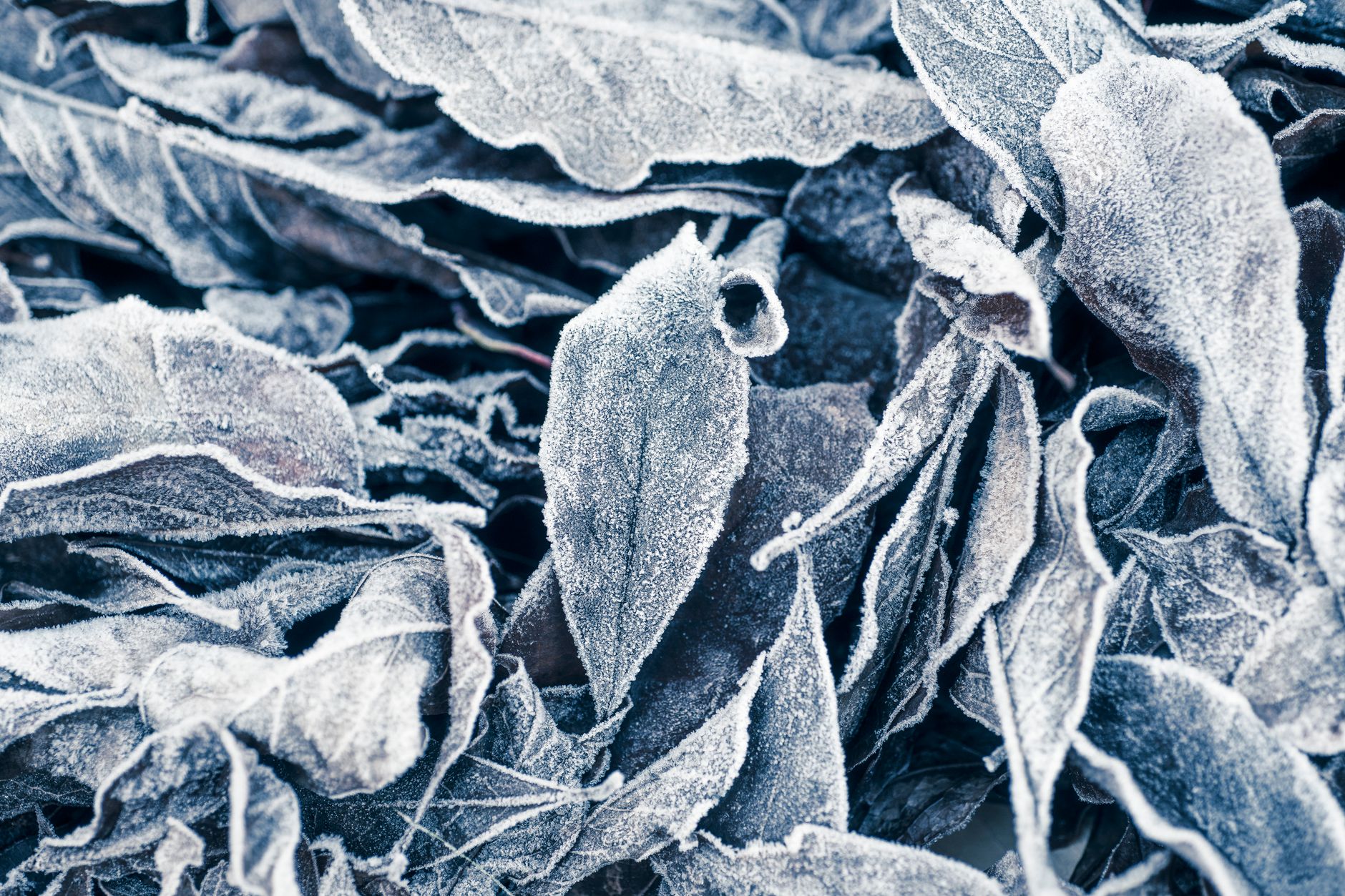
Remove all covers as soon as temperatures rise above freezing in the morning. Leaving covers on during a sunny day can cook your plants. If you see frost-damaged leaves — they will look dark, limp, and water-soaked — do not prune them immediately. Those damaged leaves might still protect the inner growth if another frost hits. Wait a week, then cut away anything that is clearly dead.
One plant I thought was a goner — a pepper plant that went completely limp after a 27-degree night — leafed out from the base two weeks later. Plants are tougher than they look. Give them time before you pull them out.
📋 Quick Summary: Cover plants with bedsheets, row cover, or cardboard boxes. Secure edges to trap ground heat. Never let plastic touch leaves. Remove covers in the morning. Wait a week before pruning frost-damaged growth — plants often recover.