I Compared Four Electric Toothbrushes Under Forty Dollars
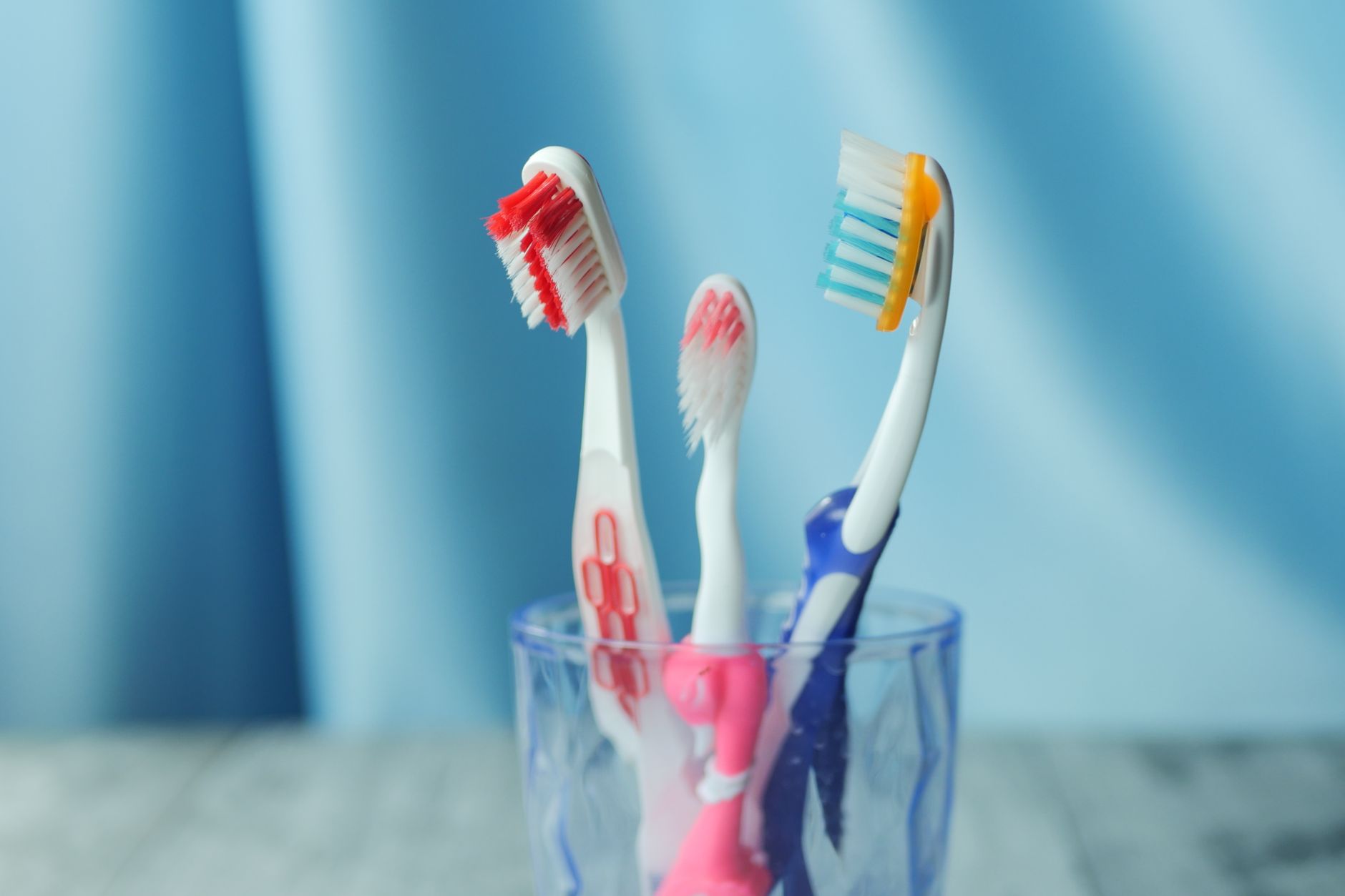
My dentist told me to get an electric toothbrush. I looked at the Sonicare display at Target — $120 for the model she recommended. I was not ready to spend that on something I was not sure I would stick with.
So I tried four electric toothbrushes under $40 over three months. My dentist noticed the difference.
The Winner: Oral-B Pro 1000
It is $30-$35 on sale and uses the same oscillating-rotating brush head as Oral-B’s $100+ models. It has a two-minute timer with 30-second quadrant alerts — the feature that actually matters for brushing evenly. It has a pressure sensor that stops the brush if you press too hard, which I did constantly until the brush trained me out of it.
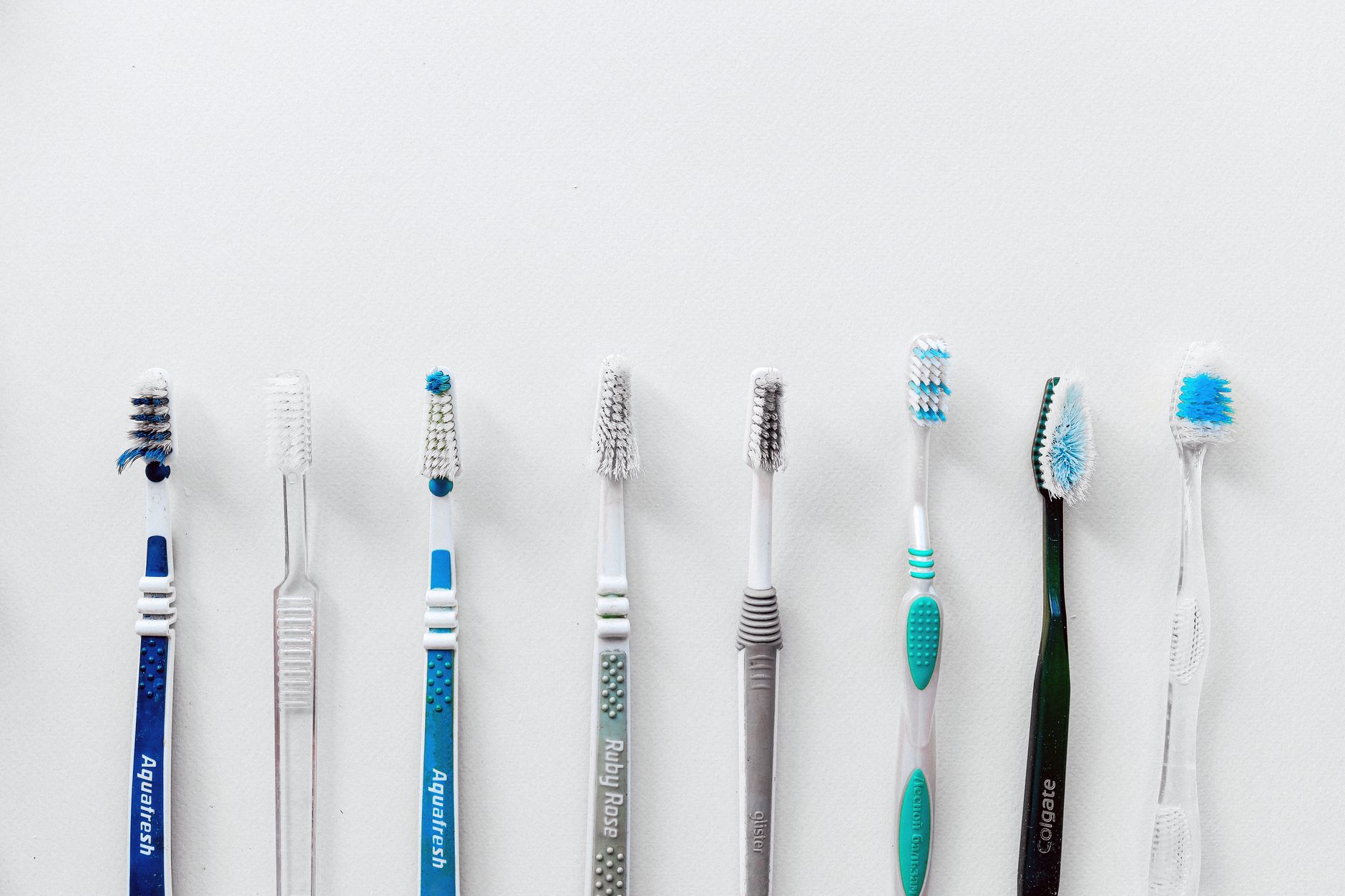
Replacement heads cost about $2 each when bought in packs. It uses the standard Oral-B head connection, so any Oral-B head fits — including the fancy cross-action and sensitive-gum heads.
Runner-Up: Philips Sonicare 1100
About $35, and it uses sonic vibration rather than oscillation — it feels gentler, which some people prefer. It also has a two-minute timer. Battery lasts about 10 days versus the Oral-B’s 7 days. The downside: replacement heads cost more ($5-$6 each) and it does not have a pressure sensor.
The Rest
I tried two generic Amazon brands in the $15-$20 range. One had a brush head that came loose mid-brush. The other had a motor that weakened noticeably after six weeks. Neither had a real timer — just a 30-second pulse that did not align with actual brushing zones.
At my next cleaning, my hygienist said my gum health had visibly improved. She asked what I changed. I told her a $30 toothbrush.
📋 Quick Summary: Oral-B Pro 1000 ($30-$35) delivers the same cleaning as premium models — oscillating head, pressure sensor, and 2-minute quadrant timer. Budget pick: Philips Sonicare 1100 ($35, gentler sonic clean).