The One Step You Are Skipping When Browning Meat
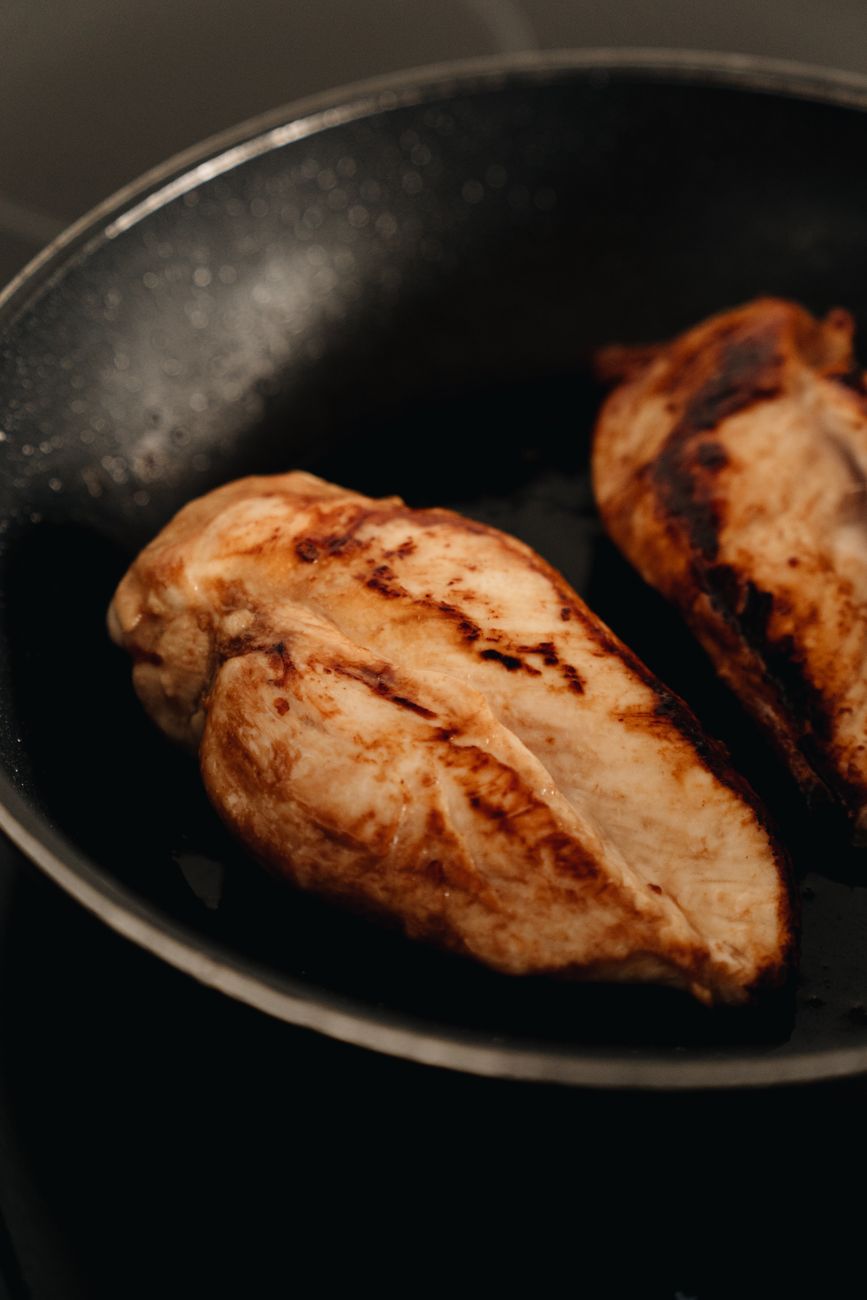
You know when you put meat in a hot pan and it sticks like glue, then tears apart when you try to flip it? I did that for years. I would crank the heat, add more oil, buy a “better” pan — and the chicken still shredded itself on contact.
The fix took me ten years to stumble onto. It is not about heat or oil or pan quality. It is about one thing you are probably doing right now without thinking about it.
Cold Meat Meets Hot Pan — And Loses
Here is what happens: you pull chicken breasts straight from the fridge, season them, and drop them into a hot pan. The cold meat immediately drops the pan temperature by 50 to 80 degrees. Instead of searing, the meat steams in its own released moisture. Then the proteins bond to the pan surface as they slowly, miserably heat up.
I learned this the hard way while trying to impress a date with “perfectly seared” chicken thighs. The chicken welded itself to my stainless steel pan. I scraped it off in chunks. We ordered pizza.
Take the Meat Out 30 Minutes Early
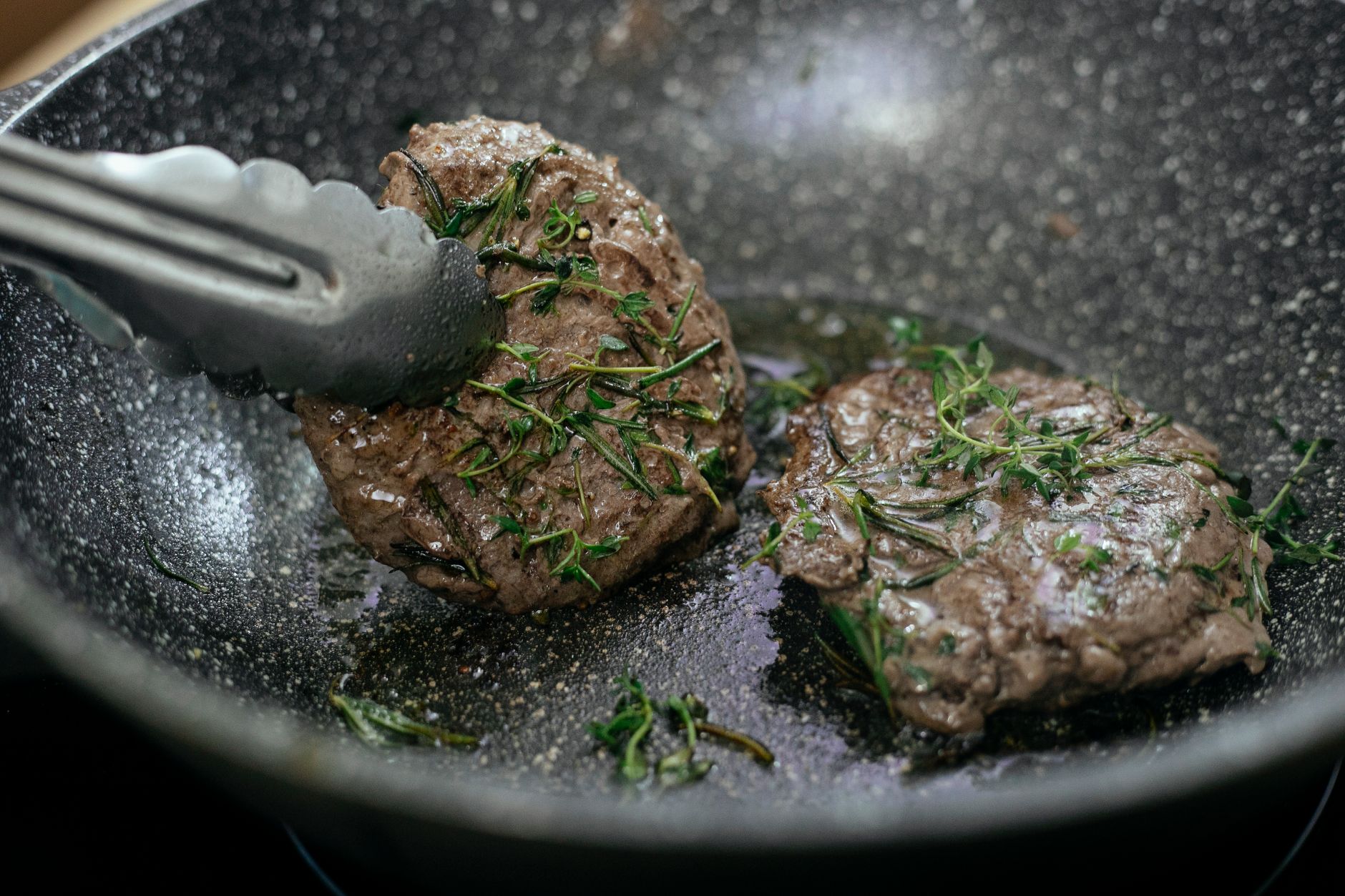
That is the whole trick. Let your meat sit on the counter for 20 to 30 minutes before it goes in the pan. You want it closer to room temperature — not warm, just not cold.
Why this works:
- A warmer surface doesn’t crash the pan temperature on contact.
- The Maillard reaction — the chemical process that creates browning and flavor — happens most efficiently between 280°F and 330°F. If your meat drops the pan below that range, no browning happens.
- Less temperature shock means proteins contract less aggressively, which means less sticking.
The first time I tried this, I kept staring at the pan waiting for the usual disaster. It never came. The chicken released cleanly, flipped with a spatula — not a chisel — and had a crust that actually crunched.
And While You Are At It — Dry the Surface
While the meat is coming to temperature, pat it bone-dry with paper towels. Surface moisture is the enemy of browning. Water has to evaporate before any searing can begin, and evaporation pulls heat out of the pan at the worst possible moment.
I go through about three paper towels per pound of meat. It feels wasteful until you taste the difference between steamed-gray chicken and golden-brown chicken.
The Exceptions
Steak: yes, absolutely rest it. Thick pork chops: yes. Fish fillets: be more cautious — 10 to 15 minutes max. Ground meat: skip the rest, it will not help, just make sure the pan is properly hot before it goes in.
And do not leave meat out for more than an hour. I am not trying to get anyone food poisoning. Thirty minutes is safe and effective — anything beyond that does not improve browning and invites bacteria.
Season After Resting, Not Before
If you salt meat too early and let it sit, the salt draws moisture to the surface. You just undid all your drying work. Season right before the meat hits the pan for the best crust.
I have stopped buying new pans every time my searing fails. The pan was never the problem. The cold, wet meat was.
📋 Quick Summary: Let meat rest at room temperature for 20-30 minutes and pat it completely dry before searing — cold, wet meat never browns properly.