The Cutting Board That Does Not Slide Around Your Counter
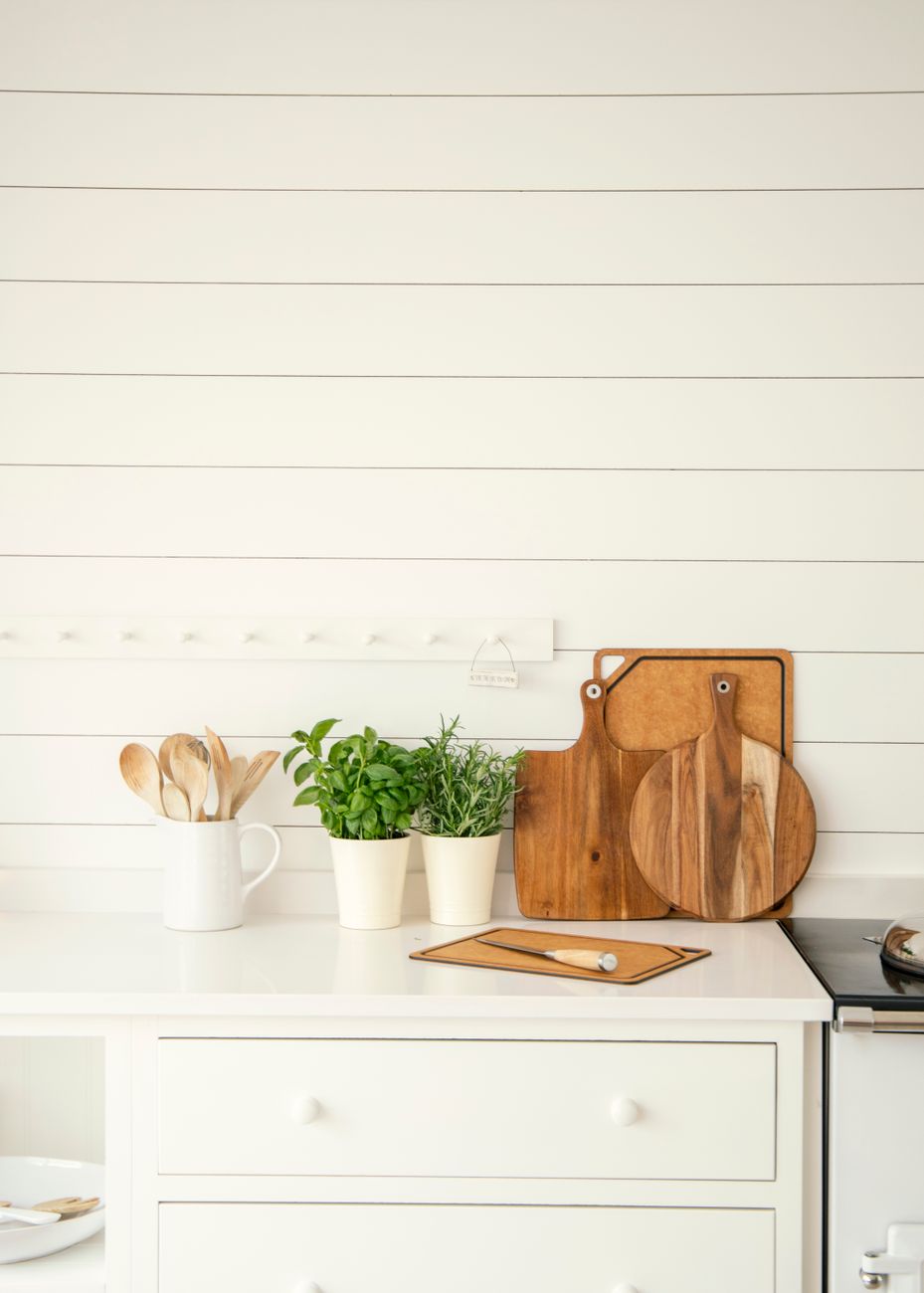
I almost lost a fingertip to a sliding cutting board. I was chopping carrots, the board slipped on the counter as I brought the knife down, and the blade landed about an eighth of an inch from my index finger. My heart rate did not come down for five minutes. The board was a beautiful bamboo thing — smooth, heavy, looked great on the counter. But its feet were hard plastic nubs that had worn flat over time, and on a granite countertop they had zero grip.
I went looking for a board that would not move. Here is what I learned about what makes a cutting board stable and which ones actually stay put.
What Makes a Board Stay Put
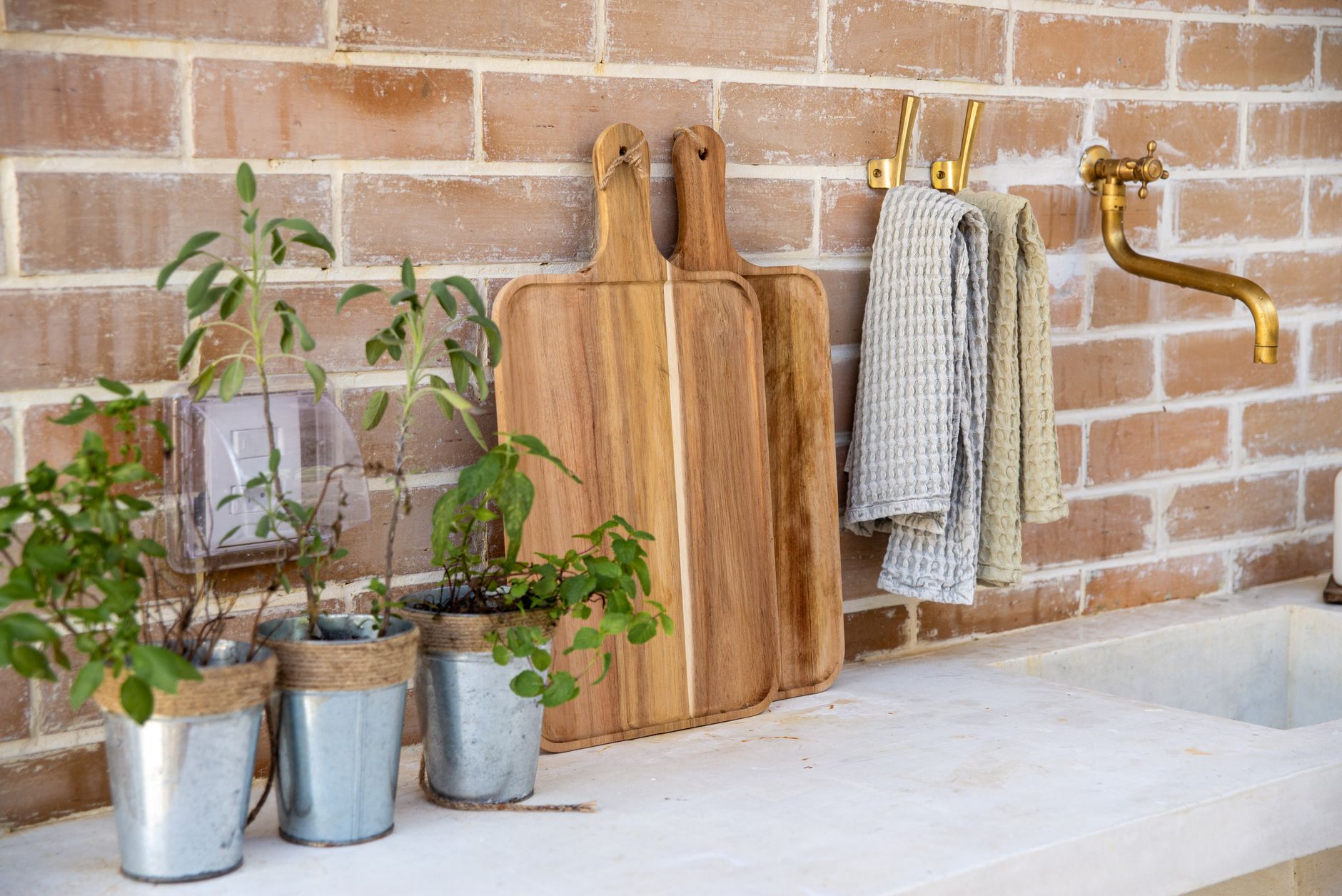
The friction between the board and the counter is what keeps it in place. Three things create that friction: weight, soft rubber feet, and a damp paper towel underneath. The last one is free and works on any board.
Weight: A heavy board resists sliding simply because it has more inertia. A thick end-grain maple board weighing eight or ten pounds barely moves even without rubber feet. But those boards cost over a hundred dollars and need maintenance.
Rubber feet: Soft, grippy rubber or silicone feet on all four corners. The key word is soft — hard plastic feet are almost as slippery as wood on stone. Press your fingernail into the foot. If it gives, it will grip. If it feels like hard plastic, it will slide. Replaceable silicone feet are a bonus because they wear down over time.
The damp paper towel trick: Lay a slightly damp paper towel flat on the counter, place the board on top. The moisture creates suction and the paper adds friction. A board that normally slides around will stay completely stationary. I did this for two years before buying a board with good feet. It works on any countertop, with any board, and costs a fraction of a cent.
Materials That Grip Best
- Rubberwood (also called parawood): Dense, heavy, absorbs less moisture than bamboo. Often comes with good silicone feet from the manufacturer.
- Plastic boards with rubber edges: The rubber edge wraps around the entire perimeter and grips on all sides. Lightweight but the full-edge rubber prevents sliding.
- Composite paper boards (like Epicurean): Thin, lightweight, durable — but they slide unless they have rubber feet. Without feet, they need the damp towel trick.
The Board I Landed On
I ended up with a thick rubberwood board with large silicone corner grips. It weighs about five pounds. On my granite counter, it does not move at all — I can knead bread dough on it, chop vigorously, whatever. The silicone feet are replaceable. It cost about thirty-five dollars. I still use the damp towel trick on my smaller plastic boards for quick tasks, but the main board has not slipped once since I bought it.
If you do not want to buy a new board, use the damp towel. It genuinely works. I used it for two years without issues. Just do not let the towel sit wet under the board overnight — it can trap moisture and warp a wood board over time.
📋 Quick Summary: Look for soft silicone or rubber feet, not hard plastic. Dense rubberwood grips well. The damp paper towel trick works on any board for free.