The Fall Leaf Cleanup Shortcut That Saves Your Back
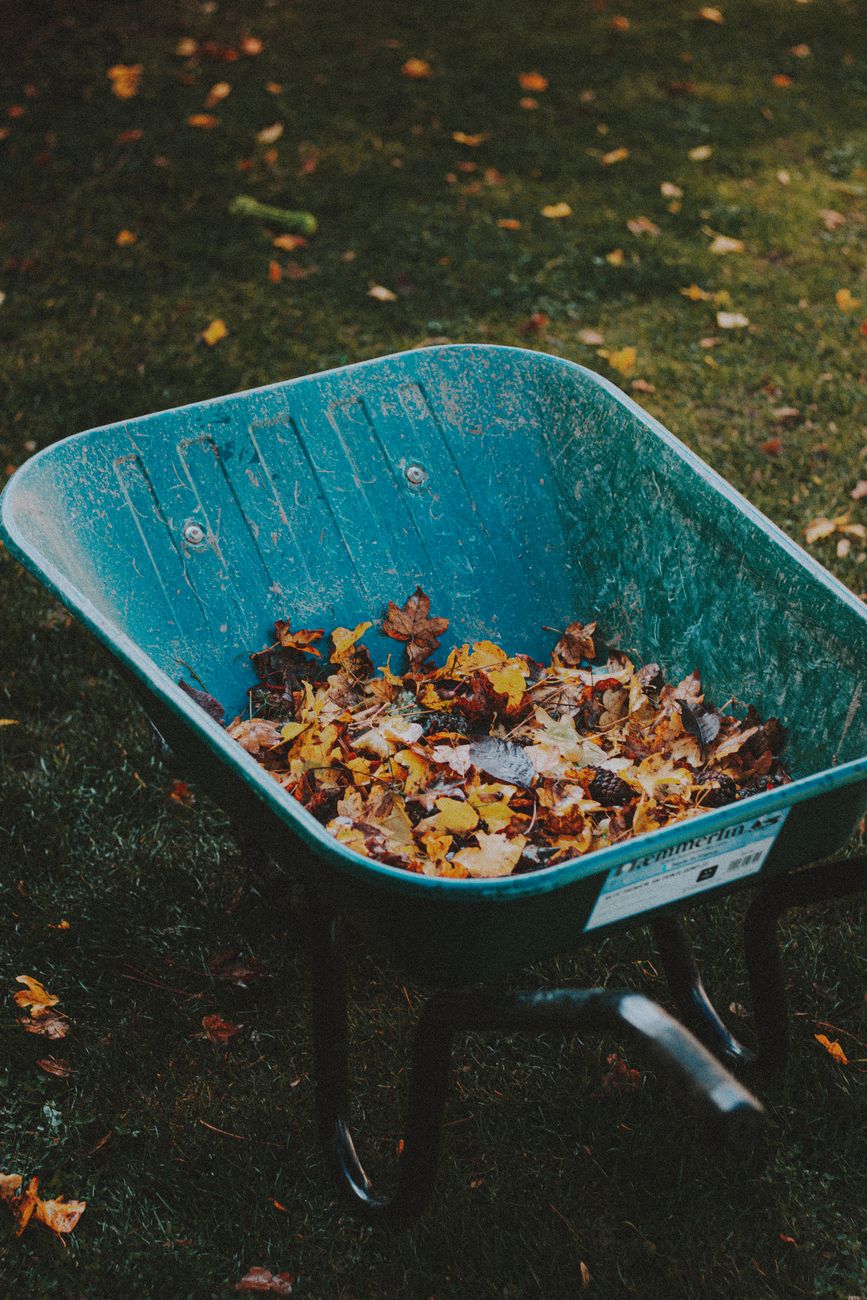
I used to spend entire Saturdays raking leaves into piles, bending over to scoop them into bags, then dragging forty-pound bags to the curb. By Sunday my lower back was wrecked and half the leaves were still on the ground because the wind had undone my work overnight. My neighbor across the street — a retired landscaper in his seventies — cleared his yard in about an hour while I was still on my first section of lawn. I eventually walked over and asked how.
He did not use a rake. He used his mower.
Mulch, Do Not Bag
The fastest way to handle fall leaves is to stop treating them as trash and start treating them as free fertilizer. Run your lawn mower over the leaves with the mulching attachment on — or just with the side discharge closed — and the mower chops them into dime-sized pieces that settle between the grass blades and decompose into the soil.
This is not laziness. Mulched leaves feed your lawn. They return nitrogen, phosphorus, and organic matter to the soil. University research — including a well-known Michigan State study — has shown that mulching leaves into the lawn improves turf quality and reduces the need for spring fertilizer. The leaves break down over winter and by spring they are gone, absorbed into the soil. The grass comes up greener.
How to Do It Right
- Do not wait until the leaves are six inches deep. Mulch when the leaf layer is dry and about an inch thick. If you wait too long the mower bogs down and leaves clumps on the surface.
- Mow in overlapping passes. Same pattern as regular mowing. The first pass chops the leaves roughly. The second pass — perpendicular to the first — pulverizes the remaining pieces.
- If you see clumps, go over them again. Clumps of shredded leaves sitting on top of the grass can smother it. One more pass breaks them up.
- Keep the blade sharp. A dull mower blade tears grass and leaves instead of cutting them cleanly. Sharpen it at the start of fall.
When You Do Need to Bag
If you have a massive oak tree dropping a foot of leaves, mulch what you can and bag the rest. But that bagged material should go into a compost pile or be used as mulch around trees and garden beds — not sent to the landfill in plastic bags. Leaves are organic matter, not garbage.
My neighbor was right. I switched to mulching three autumns ago and I have not raked a single leaf since. My back is fine, my lawn looks better in spring, and I get my Saturdays back. The mower does all the work in about forty minutes.
📋 Quick Summary: Mow over dry leaves with the mulching setting. Shredded leaves decompose into free fertilizer. No raking, no bagging, better lawn in spring.