Why Your Pasta Water Should Taste Like the Ocean
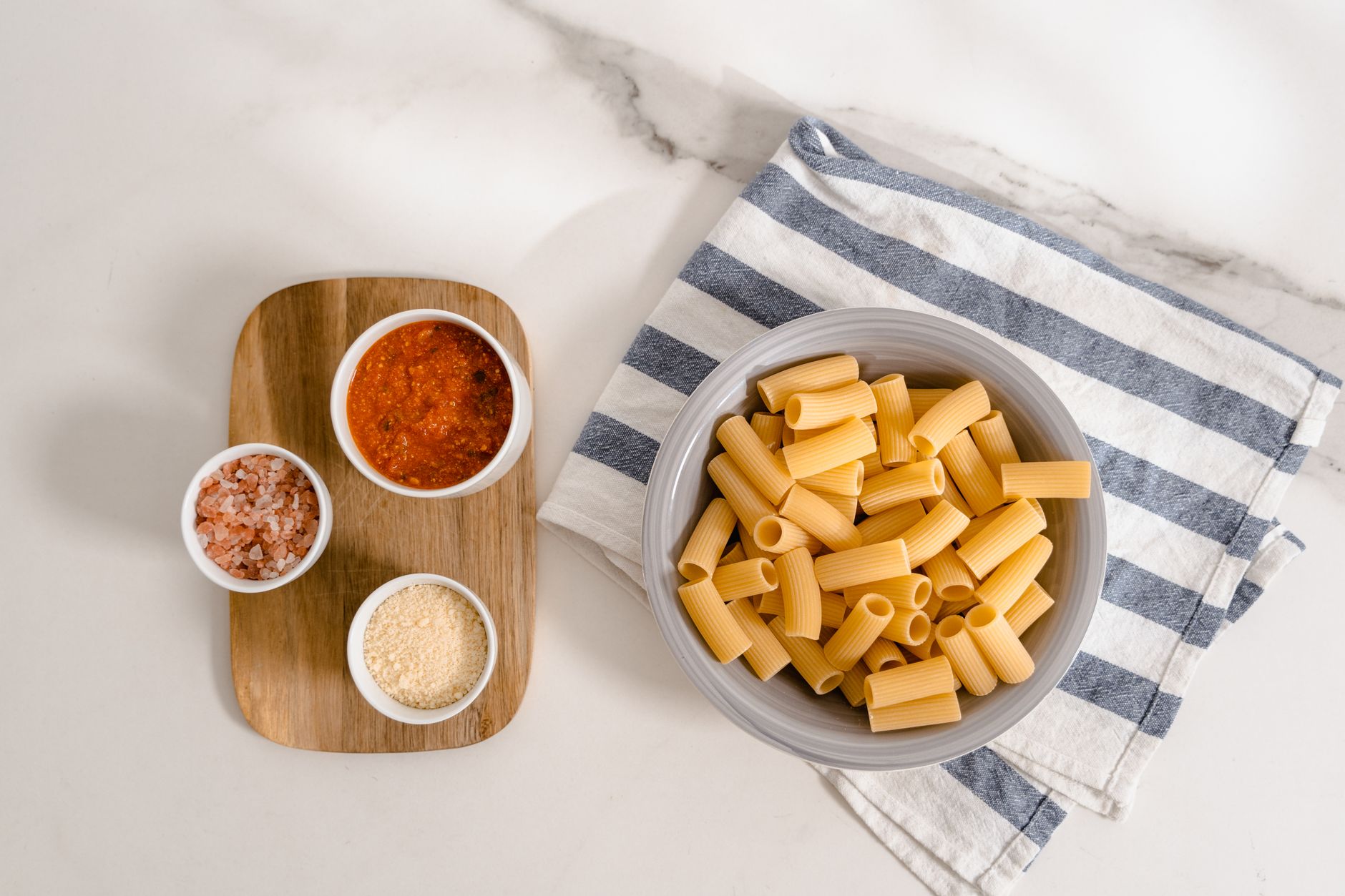
I salted my pasta water the way most people do for years — a pinch, maybe two, a half-hearted shake over the pot. The water tasted like warm tap water with a suggestion of salt. My pasta was fine. Not good. Not bad. Just fine. Edible starch that held sauce.
Then I watched an Italian chef on YouTube taste his pasta water before adding the noodles and he said, completely straight-faced, “It should remind you of the Mediterranean.” I laughed. Then I tried it. And I am not exaggerating when I say it fixed my pasta.
The Ocean Rule Is Not a Joke
Pasta has no salt in the dough. None. All the seasoning comes from the water it cooks in. If your water is under-salted, your pasta will be under-seasoned at a molecular level — and no amount of salty sauce on top can fix that. The salt needs to penetrate the noodle while it is cooking, not sit on the surface after.
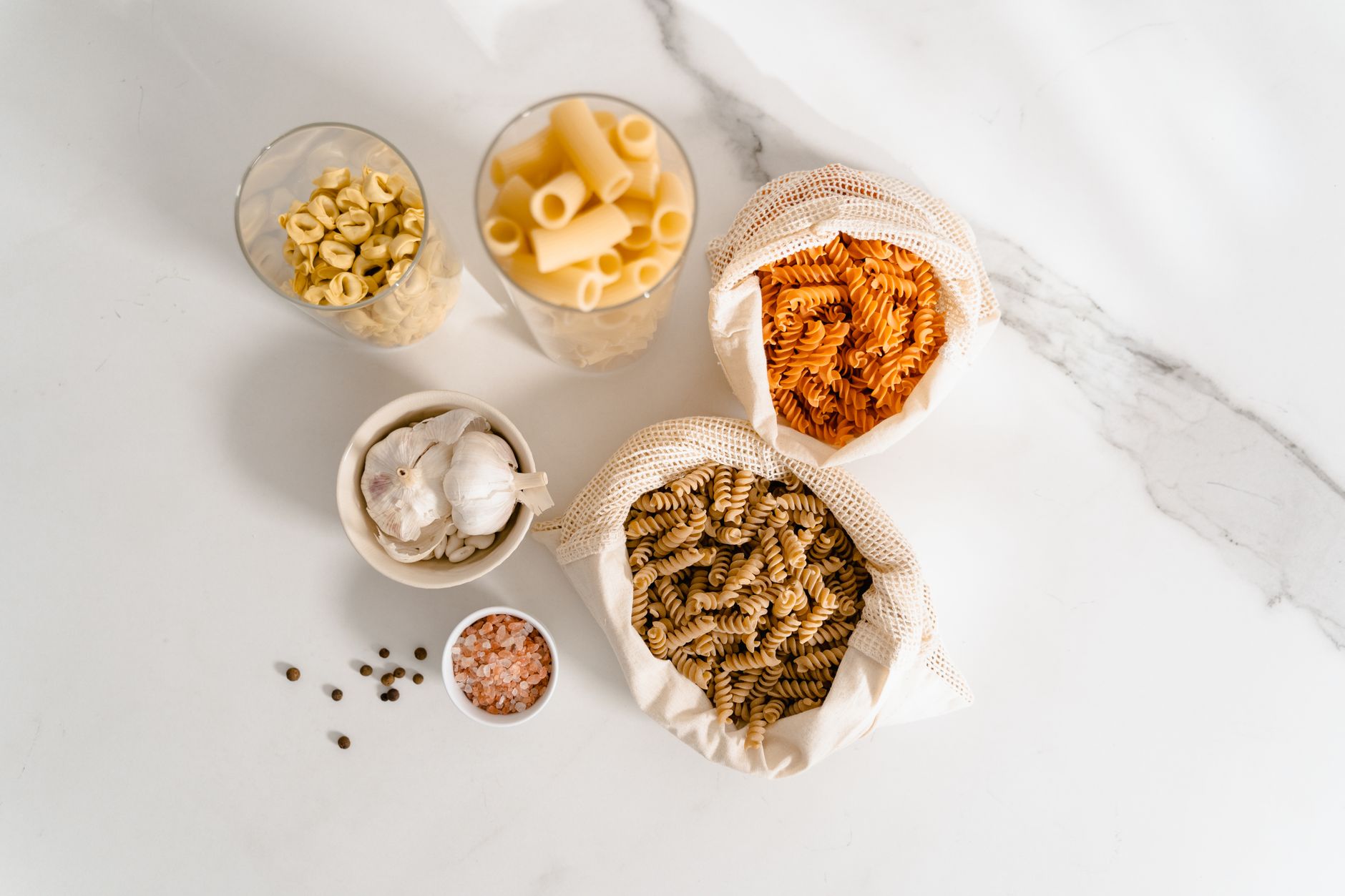
Here is how much salt we are talking: one to two tablespoons of kosher salt per gallon of water. Not a teaspoon. A tablespoon. Maybe two. If you are cooking a pound of pasta in four quarts of water — which is the standard ratio — that is one to two tablespoons.
When you taste the water, it should be noticeably salty. Not unpleasant. But you should think “that is salt water.” If you think “that is water with some salt,” add more.
Diamond Crystal vs. Morton — It Matters
Different salts have different densities. Diamond Crystal kosher salt has hollow flakes that dissolve fast but take up more volume. Morton is denser. A tablespoon of Morton is about twice as salty as a tablespoon of Diamond Crystal. I learned this by ruining a pot of linguine with Morton when I was used to Diamond Crystal.
The fix: taste the water. Always. It takes five seconds and you cannot mess it up if you taste it.
Save the Water
Before you drain the pasta, scoop out a mug of that starchy salty water. This is the other half of the magic. When you toss your pasta with sauce, add a splash of the pasta water. The starch emulsifies with the fat in the sauce and creates a creamy coating that clings to every noodle. The salt seasons the sauce without making it taste salty.
I used to skip this step because it seemed fussy. Now I keep a coffee mug next to the stove specifically for pasta water. It is the difference between sauce that sits on top of the noodles and sauce that hugs them.
“If your pasta water does not taste like the ocean, your pasta will not taste like anything.”
The funny thing is, you do not eat the water. Most of the salt goes down the drain. But the bit that stays in the pasta — that is what makes people ask why your spaghetti tastes better than theirs.
📋 Quick Summary: One to two tablespoons of kosher salt per gallon of water. Taste it — it should taste like the sea. Save a mug of the starchy water for your sauce.