Season a Wok the Traditional Way for Non-Stick Cooking
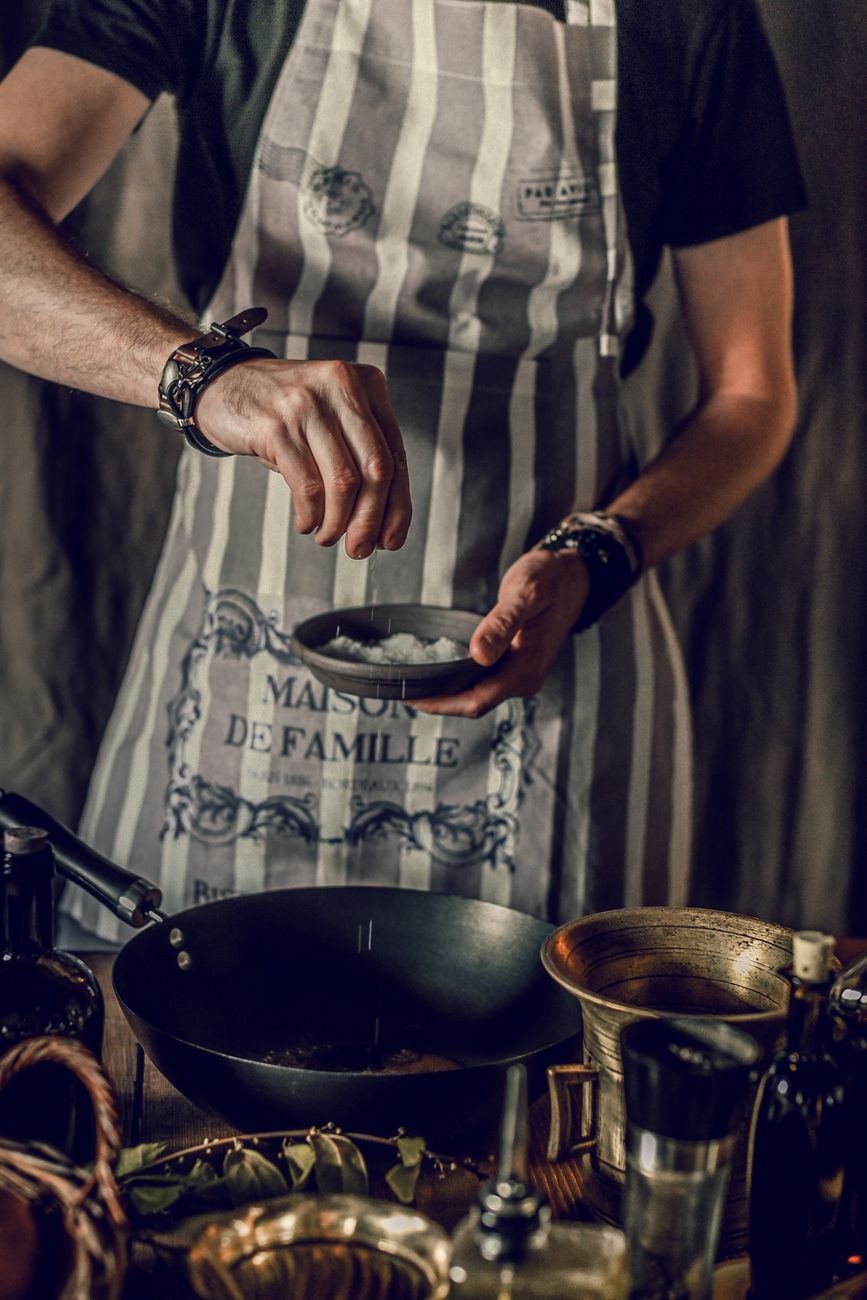
I bought a carbon steel wok three years ago, used it once, and put it in the back of a cabinet because everything stuck to it. Eggs welded themselves to the surface. Vegetables burned in one spot and steamed in another. I assumed I had bought a defective wok.
Then a friend who grew up in a Chinese restaurant family came over, saw the wok in my cabinet, and asked why it was still gray. “It should be black,” she said. “You never seasoned it.” I had no idea what that meant.
What Seasoning Actually Means
Seasoning is not about flavor — it is about building a polymerized oil layer that bonds to the metal and creates a natural non-stick surface. A well-seasoned wok is glossy black and slicker than any Teflon pan. Unlike Teflon, it never wears off — it gets better the more you use it.
The process works on carbon steel and cast iron. It does not work on stainless steel, which is a different material with a different surface. Make sure your wok is carbon steel before you start — a magnet should stick to it firmly.
Step One: Scrub Off the Factory Coating
New woks come with a protective oil coating to prevent rust during shipping. You have to remove this completely before seasoning. Scrub every surface — inside and out — with hot water, soap, and a steel wool pad. Really scrub. The metal should look uniform matte gray when you are done.
Dry it immediately and thoroughly. Carbon steel rusts in minutes if left wet. Put the wok on the stove over high heat until every drop of moisture is gone.
Step Two: The Oil and Heat Cycle
Pour a teaspoon of oil with a high smoke point — vegetable, canola, grapeseed, or flaxseed — into the wok. Use a paper towel held with tongs to wipe the oil across every surface. The layer should be thin enough that the metal looks wet but not pooling. Too much oil leaves sticky patches.
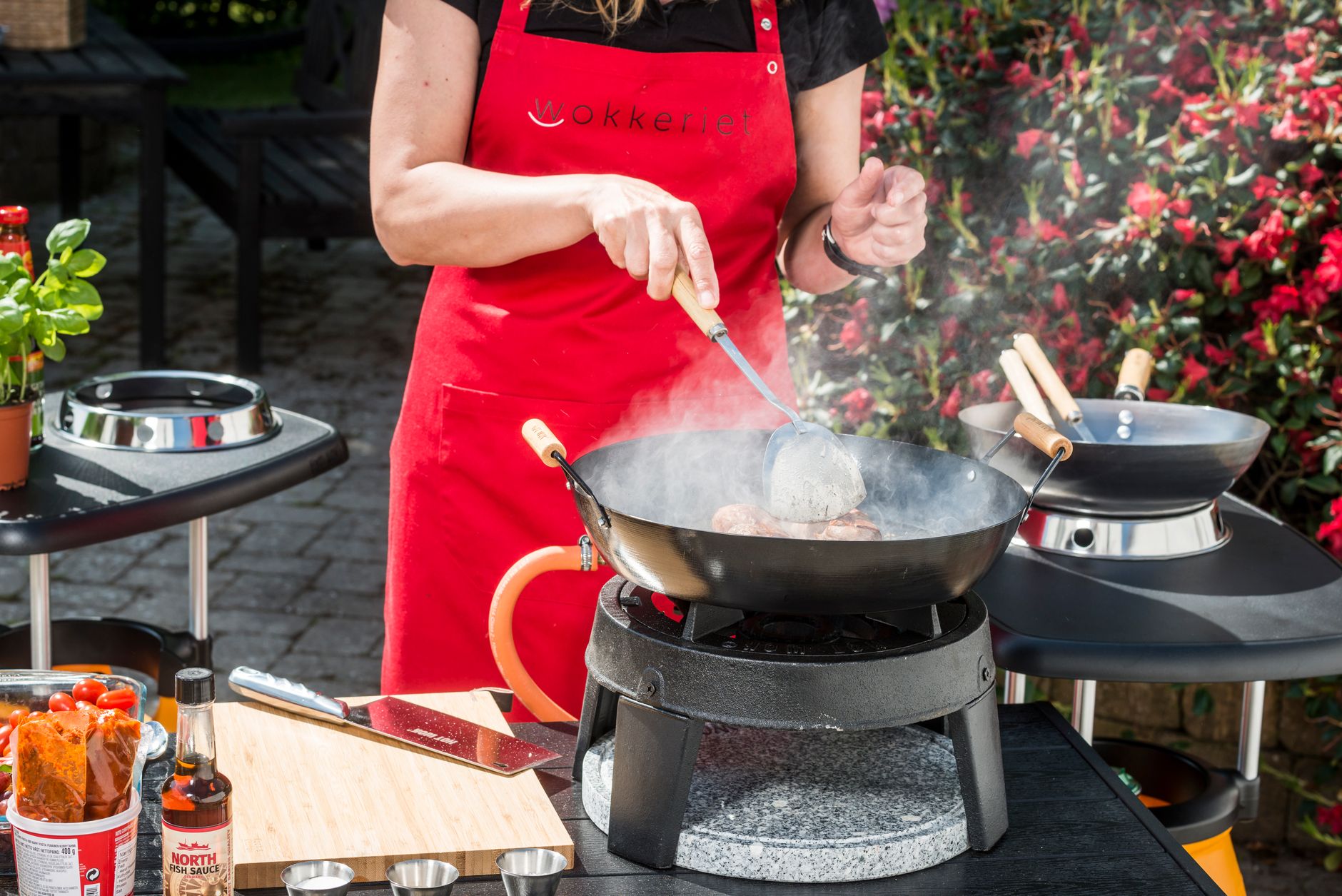
Heat the wok over high heat. The oil will start to smoke. Keep wiping with the oily paper towel as it smokes — you are literally cooking the oil onto the metal. After about ten minutes, the wok will darken to brown, then to deep black. Let it cool. Repeat this process two or three more times. Each layer builds on the last.
Maintaining the Seasoning
After cooking, rinse the wok with hot water and a soft sponge — no soap, no steel wool, no scouring pads. Soap strips the seasoning. If food is stuck, boil a little water in the wok and scrape gently with a wooden spatula.
Dry the wok over heat immediately after washing. While it is still warm, wipe a few drops of oil across the cooking surface with a paper towel. This thin oil layer prevents rust and reinforces the seasoning.
My wok is now jet black and eggs slide around like they are on an ice rink. Three years late, but I got there.
📋 Quick Summary: Scrub off the factory coating, build thin layers of high-smoke-point oil through repeated heating cycles, and maintain with hot water only plus a post-dry oil wipe — your wok improves with every meal.