Why You Should Never Throw Away Pasta Water
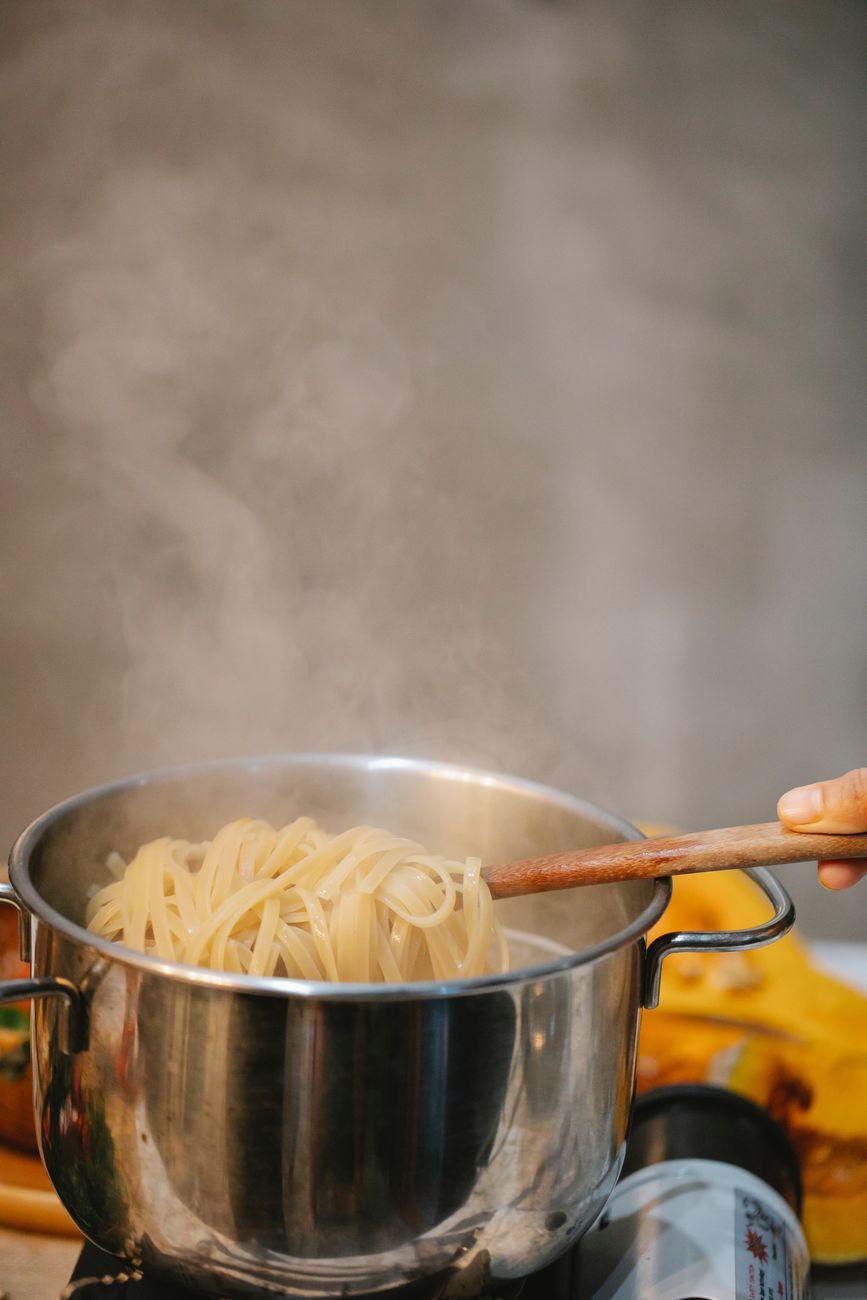
I watched my Italian grandmother pour pasta water down the drain exactly once. She was ninety-two and had arthritis, and she still walked across the kitchen with the heavy pot to save that cloudy water. When I asked her why, she looked at me like I had asked why she breathes air.
“That,” she said, pointing at the pot, “is the only thing standing between you and terrible sauce.” I was twelve. I did not understand. Now I do.
What Is Actually in Pasta Water
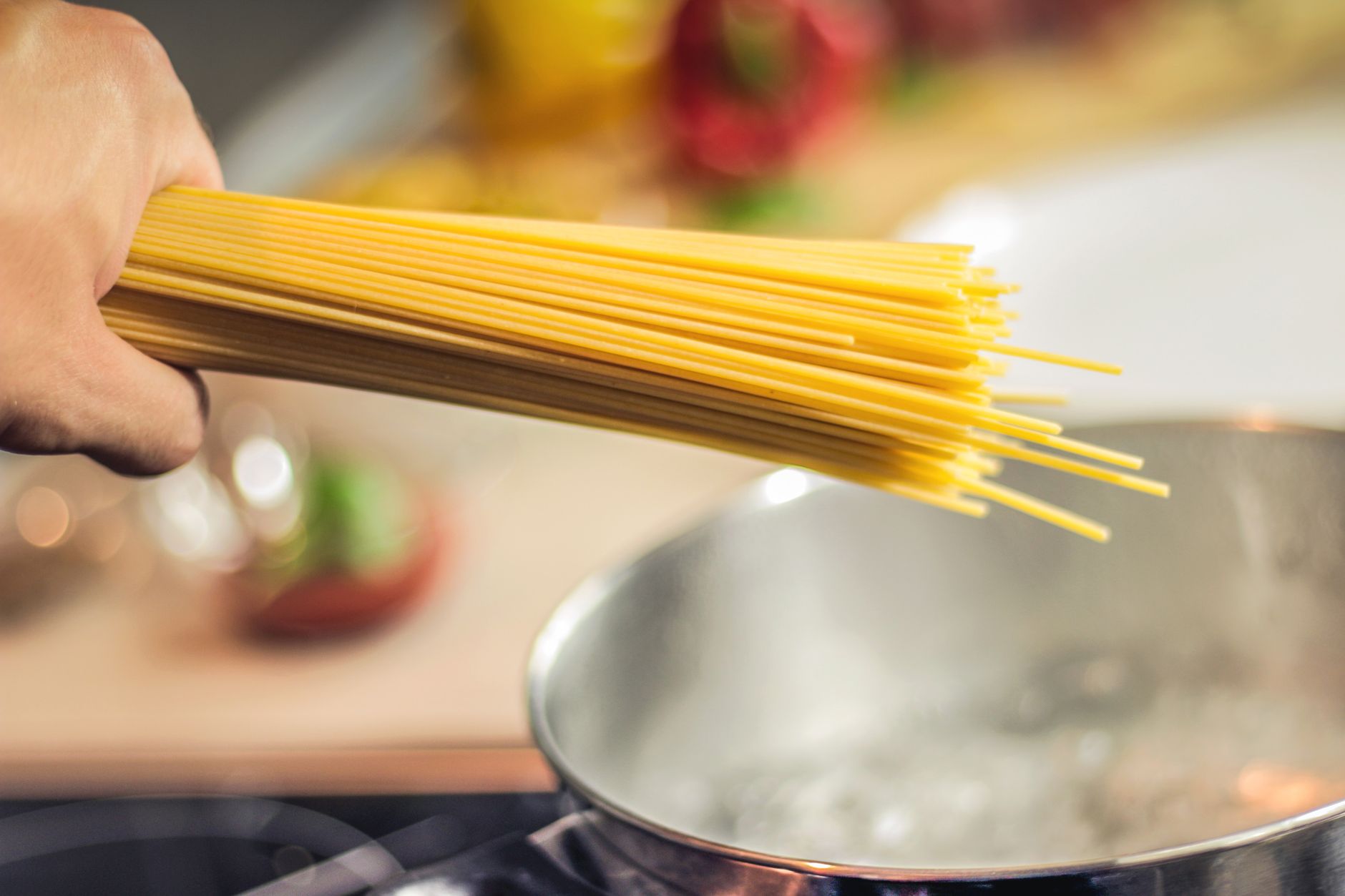
As pasta cooks, it releases starch into the water. That cloudy liquid is not dirty — it is liquid gold for your sauce. The starch acts as an emulsifier, binding the oil and water in your sauce into a smooth, creamy consistency instead of a separated, greasy mess.
Before you drain the pasta, scoop out a mug of the cooking water. A coffee mug’s worth is plenty for a standard four-serving pot. Set it next to the stove — you will use it within the next two minutes.
How to Use It in Any Sauce
Transfer your drained pasta directly into the pan with your simmering sauce. Add a splash of pasta water — about a quarter cup to start — and toss everything together over medium heat. The starch water thins the sauce just enough to coat every strand, then thickens back up as it cooks, gluing the sauce to the pasta instead of leaving it in a puddle on the plate.
This works for marinara, for pesto, for aglio e olio, for carbonara. It works for butter and parmesan when you have nothing else in the fridge. It is the difference between pasta with sauce and pasta that is one cohesive dish.
Salt the Water Like the Sea
If you do not salt the pasta water properly, the pasta water trick does not help — you are just adding bland starch water to your sauce, which dilutes the flavor. The water should taste like seawater. About a tablespoon of salt per gallon of water. Salt seasons the pasta from the inside out, and the salted starch water seasons the sauce.
Under-salting pasta water is the most common cooking mistake I see. You cannot fix it later — no amount of salt on top of finished pasta makes up for pasta that was boiled in unsalted water.
Other Uses for That Starchy Water
Pasta water makes an incredible base for bread dough — use it in place of plain water and the bread comes out with better texture and a subtle savory depth. It also works as a plant fertilizer when cooled — the starch feeds soil microbes. And if you are making soup, pasta water adds body without needing to add flour or cream.
My grandmother has been gone for years, but I still save the pasta water every time. Old habits. Good habits.
📋 Quick Summary: Save a mug of starchy pasta water before draining, add it to your sauce to emulsify and coat every strand, and salt the water aggressively — the secret to restaurant-quality pasta at home.