Build a Simple Compost Bin From Chicken Wire
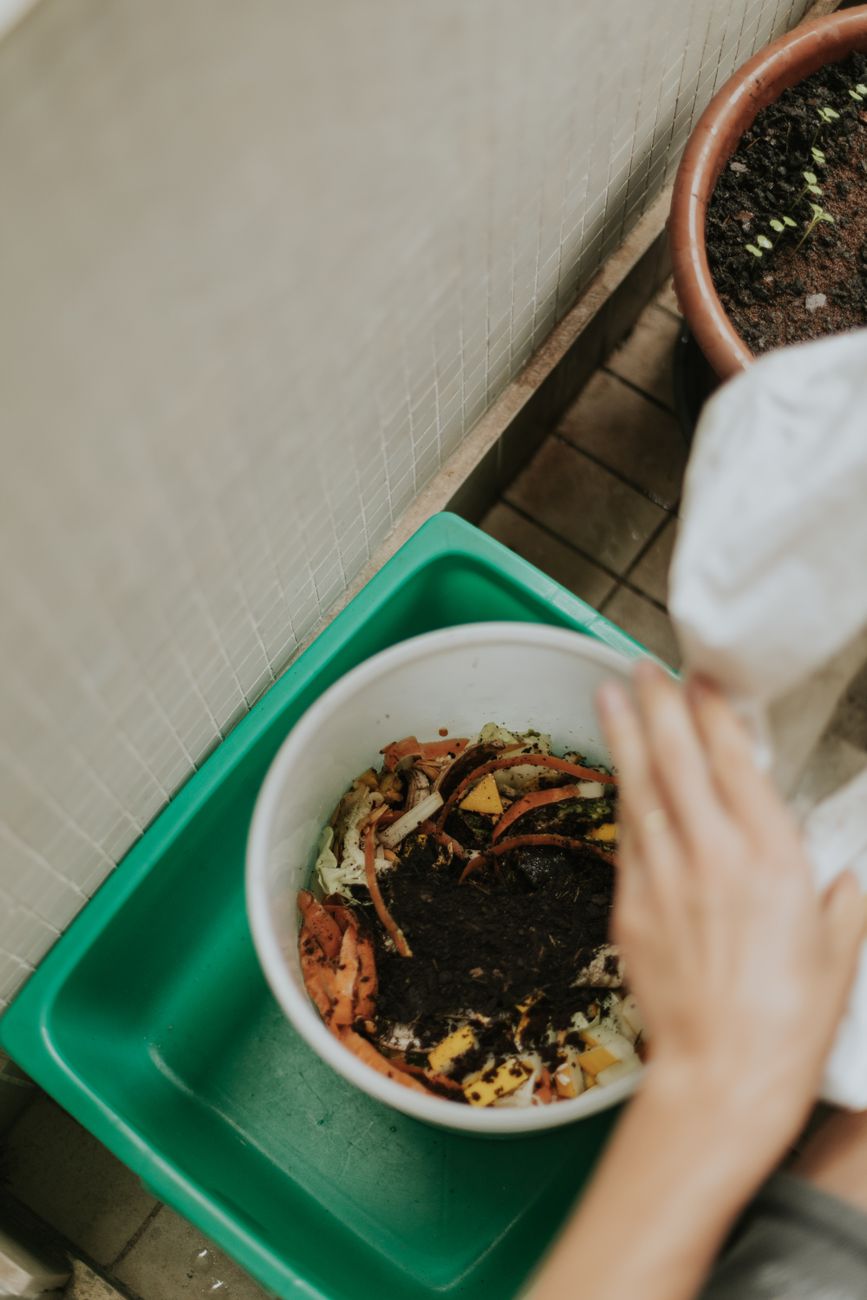
Have you priced a compost bin lately? The decent ones start around eighty dollars. The wooden ones rot in three years. The plastic tumblers crack in direct sun. I stared at these options for about ten minutes at the garden center, then drove to the hardware store and spent fourteen dollars on materials instead. That bin is still in my backyard, going on year five, and it works exactly as well as the eighty-dollar version.
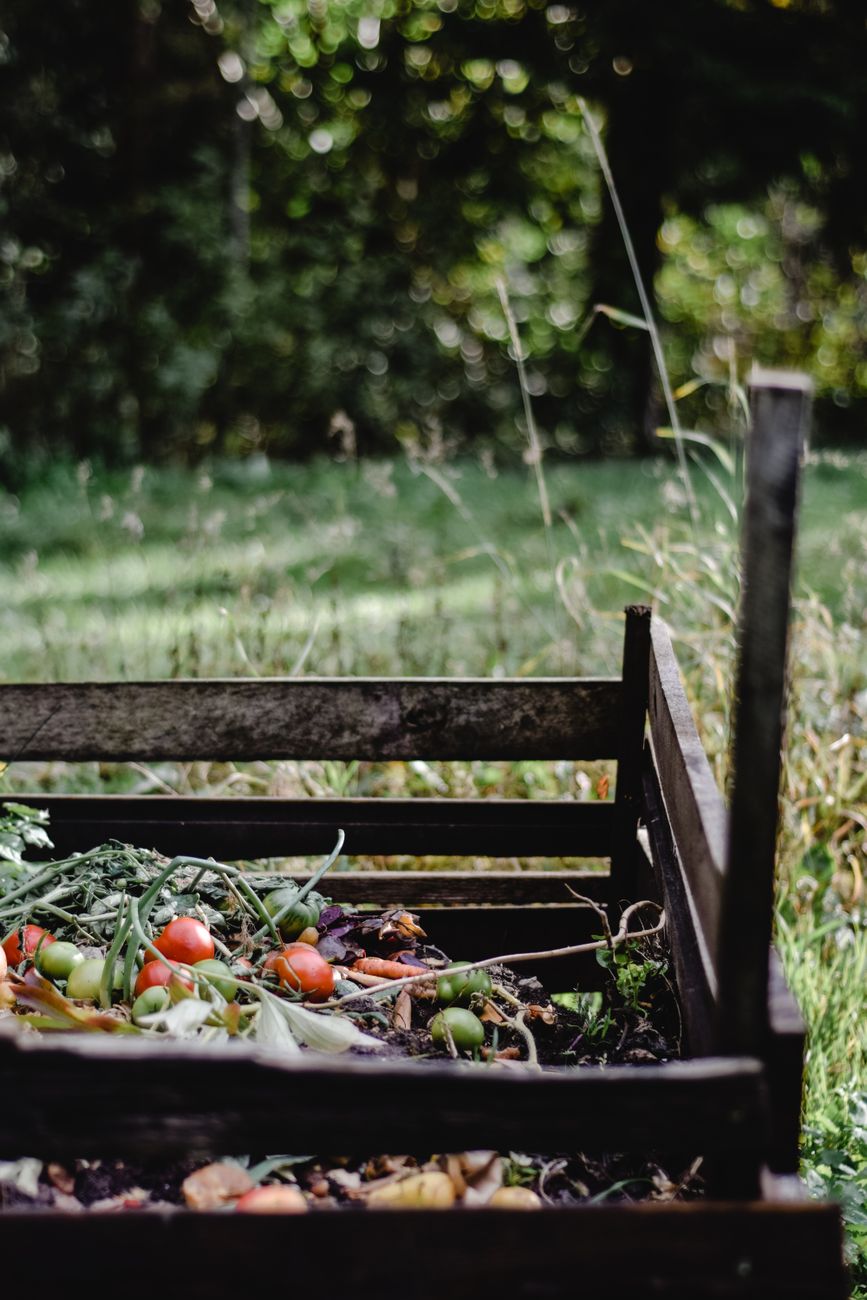
What You Need
A roll of chicken wire — four feet tall, about thirteen feet long. Four wooden stakes or metal fence posts, four to five feet tall. A pack of zip ties or a spool of heavy-gauge wire. Pliers. That is the entire supply list. You do not need a saw, a drill, or any power tools.
Pick a spot in your yard that gets partial sun. Full shade slows decomposition. Full sun dries the pile out too fast. Partial sun, level ground, easy access from the kitchen — if the bin is inconvenient to reach, you will stop using it by week three.
Assembly Takes Twenty Minutes
Hammer the four stakes into the ground in a square — about three feet per side. Wrap the chicken wire around the outside of the stakes. Secure it to the posts with zip ties or wire twists every six inches. Overlap the ends by a foot so there is no gap for critters.
Do not build a bottom — the pile needs contact with the soil so worms and microbes can move in from below. A bin with a solid bottom becomes a stinky, anaerobic mess. Leave the top open for adding material and for rain to keep the pile moist.
What to Put In (and What to Skip)
The basic ratio: two parts brown to one part green. Browns are dry leaves, shredded cardboard, newspaper, straw, sawdust. Greens are fruit and vegetable scraps, coffee grounds, fresh grass clippings. Layer them like a lasagna — browns on the bottom, greens in the middle, browns on top to cover smells.
Never add meat, dairy, oils, or pet waste. Meat and dairy attract rats and raccoons. Oil coats the organic matter and blocks decomposition. Pet waste carries pathogens that home compost piles do not get hot enough to kill.
Turn the pile with a pitchfork every two weeks. If it smells like ammonia, add more browns. If nothing is happening, add more greens and water. A properly balanced pile smells like earth, not garbage.
📋 Quick Summary: Four stakes and a roll of chicken wire, twenty minutes of assembly, two-to-one browns-to-greens ratio, turn every two weeks — fourteen dollars gets you years of free compost.