Make Your Patio Furniture Last Through Winter
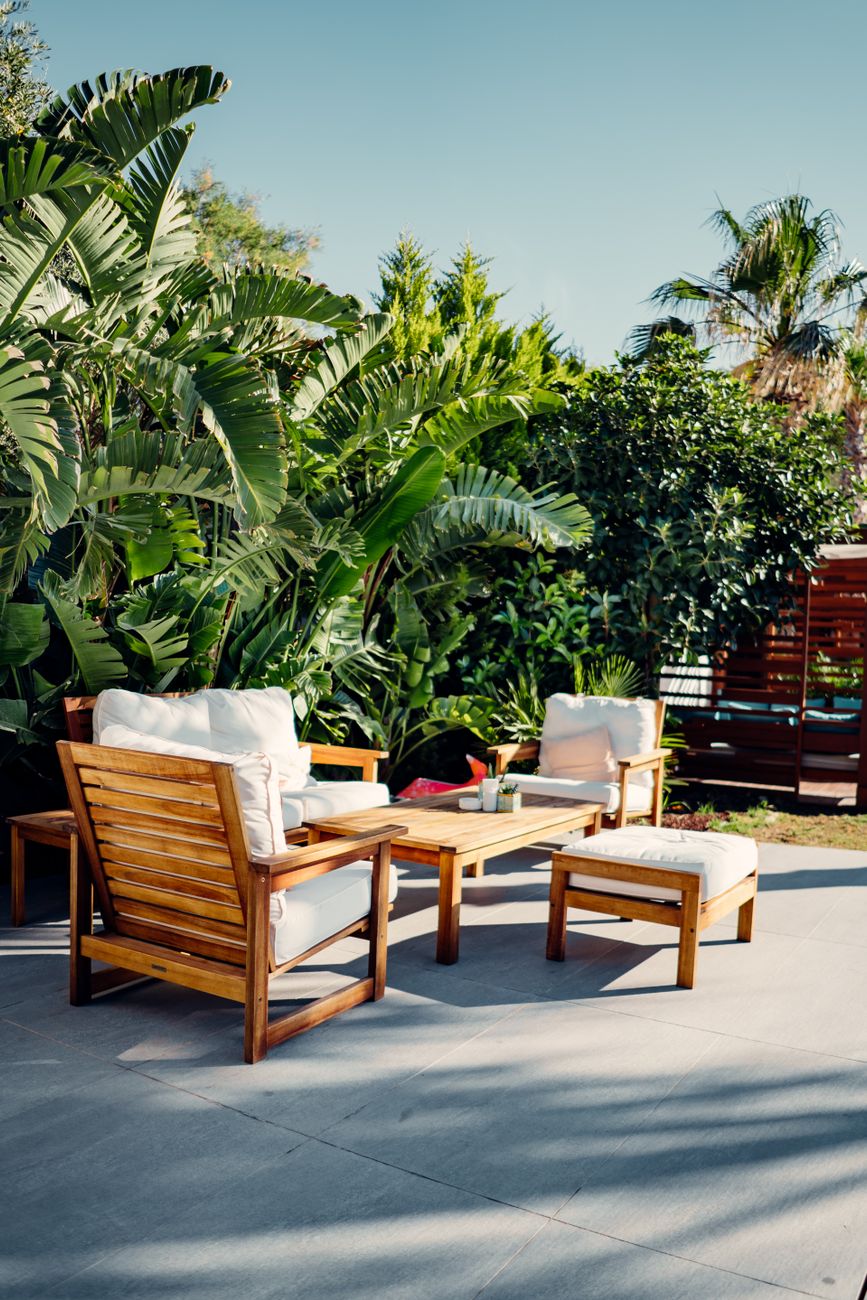
My parents bought a set of teak patio furniture in 1998. They live in Michigan, where winter means four months of snow, ice, and the kind of cold that makes your face hurt. That furniture is still on their deck today — twenty-eight years later — and it looks better than the set I bought three years ago and left uncovered through two Chicago winters.
When I asked my mom what her secret was, she said “I cover it in October and uncover it in April. That is the whole secret.” I felt like an idiot. But she was right.
Clean Before You Cover
Do not just throw a tarp over dirty furniture and call it done. Dirt, bird droppings, and leaf residue trap moisture against the surface and cause mildew, staining, and rot over the winter. Give everything a thorough wash first.
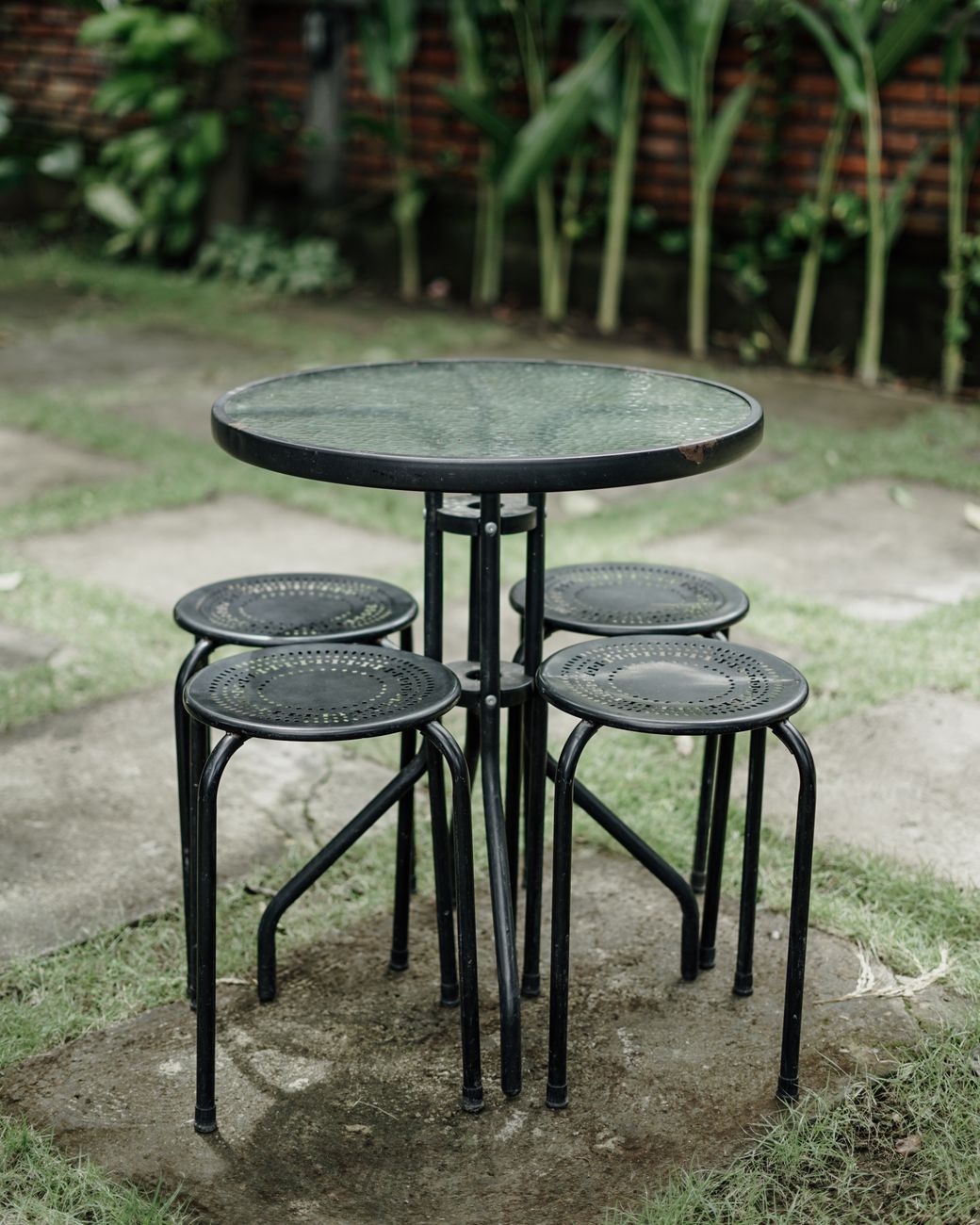
For wood, use mild soap and water with a soft brush — no pressure washers, which strip the wood fibers. For metal, check for rust spots and sand them down before covering. A rust spot the size of a dime in October is the size of a dinner plate by March. For wicker and rattan, vacuum between the weave, then wipe with a damp cloth. Dry everything completely before the cover goes on.
Pick the Right Cover
Not all covers are equal. The cheap blue tarps from the hardware store trap condensation underneath — you pull them off in spring and find everything covered in mold. Spend a little more on breathable, water-resistant covers made for patio furniture. The fabric lets moisture vapor escape while keeping rain and snow out.
Secure them tightly. Wind gets under loose covers and turns them into sails — I have found my grill cover in my neighbor’s yard twice. Use the tie-down straps that come with the cover, or add bungee cords for extra security.
Store Cushions Indoors
Even waterproof cushions absorb moisture through the seams over months of snow and freeze-thaw cycles. Bring them inside — a garage, basement, or storage closet is fine. If you absolutely cannot store them inside, wrap them in plastic bags and place them on their sides so water cannot pool on top.
Do not stack heavy items on cushions all winter. The foam compresses permanently and never fully recovers. Come spring, your seat cushions will be an inch thinner than you remember.
Wood Needs Oil Before Winter
Teak, cedar, and other hardwoods need a coat of penetrating oil in late fall — teak oil for teak, tung oil for most other hardwoods. The oil fills the wood pores so water cannot get in, freeze, and crack the grain. Apply on a dry day above fifty degrees and let it soak in for twenty-four hours before covering.
A friend of mine skipped this step one year. His teak table split clean in half during a February thaw. A twenty-dollar bottle of oil would have saved an eight-hundred-dollar table.
📋 Quick Summary: Clean thoroughly, use breathable covers secured tight, bring cushions inside, and oil wood before the first freeze — four simple steps that add decades to your patio investment.