Meal Prep Strategies That Actually Save Real Money

I tried meal prepping once. Bought fourteen matching containers, spent an entire Sunday cooking, and proudly filled the fridge with perfectly portioned lunches. By Wednesday I was so sick of chicken and broccoli that I ordered pizza. The containers are still in my cabinet, mocking me.
The problem was not meal prepping itself. It was the Instagram version of meal prepping — where you eat the same thing five days in a row and pretend to enjoy it. Real meal prep that saves money looks different. Here is what actually works.
Prep Ingredients, Not Full Meals
Instead of cooking five identical lunches, prep components. Roast a tray of vegetables. Cook a pot of grains. Make a batch of protein — chicken thighs, tofu, ground turkey. Season everything simply with salt, pepper, and olive oil. Now you have building blocks. Monday you make a grain bowl. Tuesday you toss the protein into a salad. Wednesday you wrap everything in a tortilla. Same ingredients, different meals.
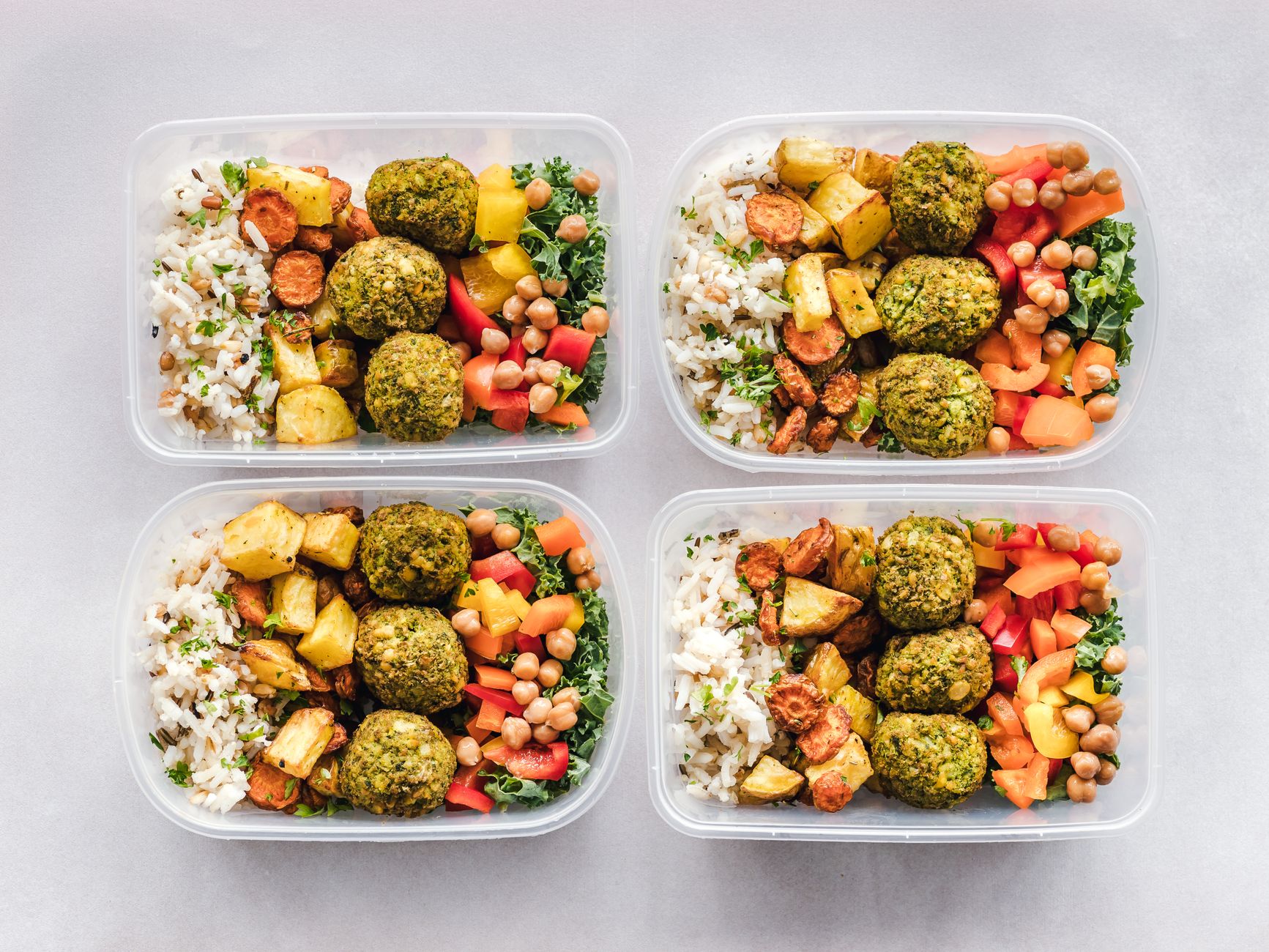
Use One Protein Across Multiple Dinners
Buy one larger cut of protein instead of several small ones. A whole roasted chicken on Sunday becomes three different dinners: chicken with roasted vegetables on night one, chicken tacos on night two, chicken soup from the carcass on night three. A three-pound pork shoulder — often under ten dollars — can stretch across five meals. The savings come from buying in bulk and from never throwing away half a package of something because you did not use it in time.
The “Eat Me First” Bin
Dedicate one spot in your fridge — a clear bin or just a designated shelf section — for ingredients that need to be used within the next two days. The half onion, the wilting herbs, the yogurt with three days left on the date. When you open the fridge to figure out dinner, start there. This single habit eliminated most of our food waste, which was the biggest silent drain on our grocery budget.
📋 Quick Summary: Prep components, not full meals. Use one protein across multiple dinners. Keep an “eat me first” bin for ingredients that need to be used soon to eliminate food waste.