Smooth and Silky Steamed Eggs Without Bubbles
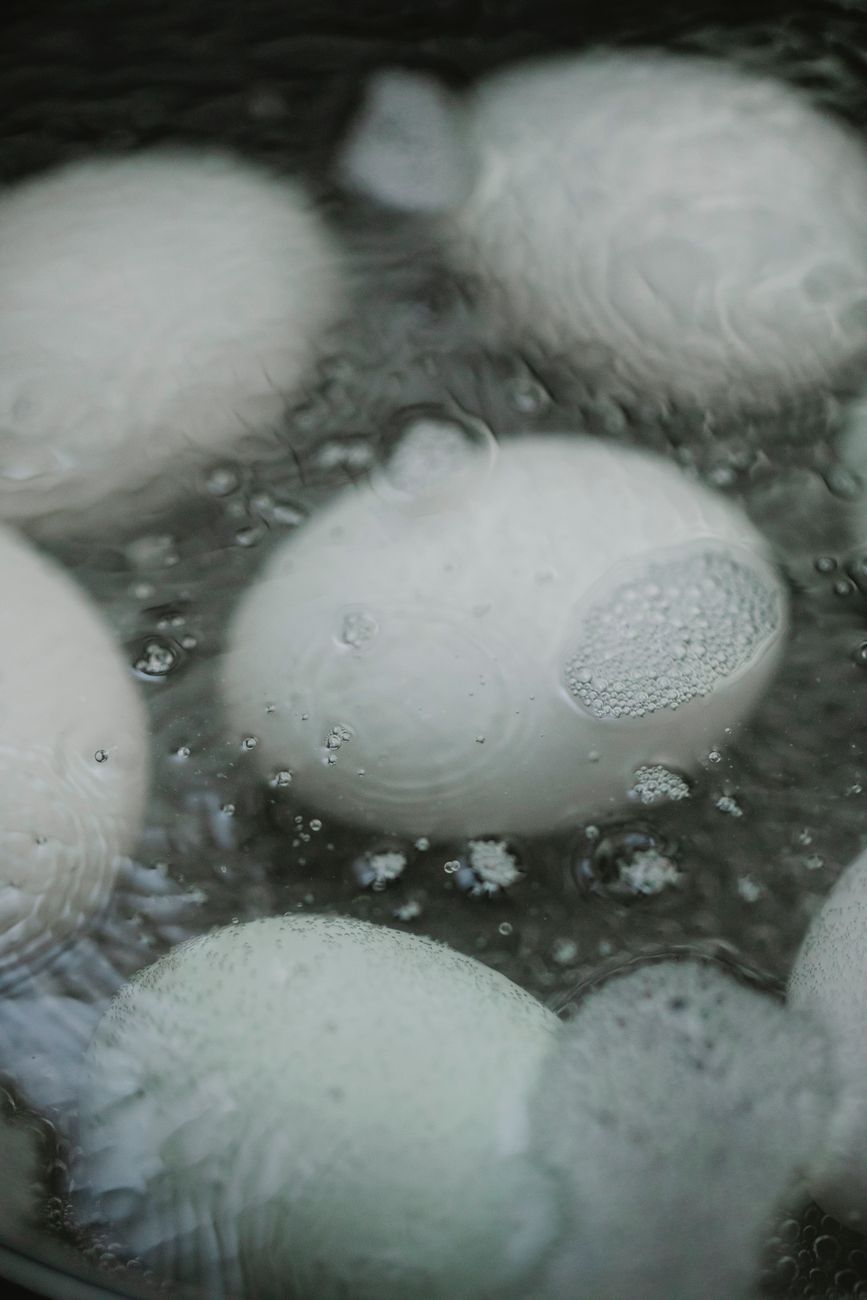
I chased smooth steamed eggs for two years. Seriously. Two years of ugly, pockmarked bowls that tasted fine but looked like the surface of the moon. The first time I got it right — a surface so glossy I could see my reflection — I took a picture and sent it to three people. Nobody cared. I did not care that nobody cared.
Here is exactly what I learned, after about forty failed attempts.
The Ratio Is Everything
Two eggs. One cup of warm water. Not cold, not hot — warm. Cold water makes the eggs seize up and cook unevenly. Boiling water cooks them before they even hit the steamer. Warm water, around body temperature, is the sweet spot. Beat the eggs first, then stir in the water gently. Do not whisk like you are making an omelet — that whips in air, and air equals bubbles.
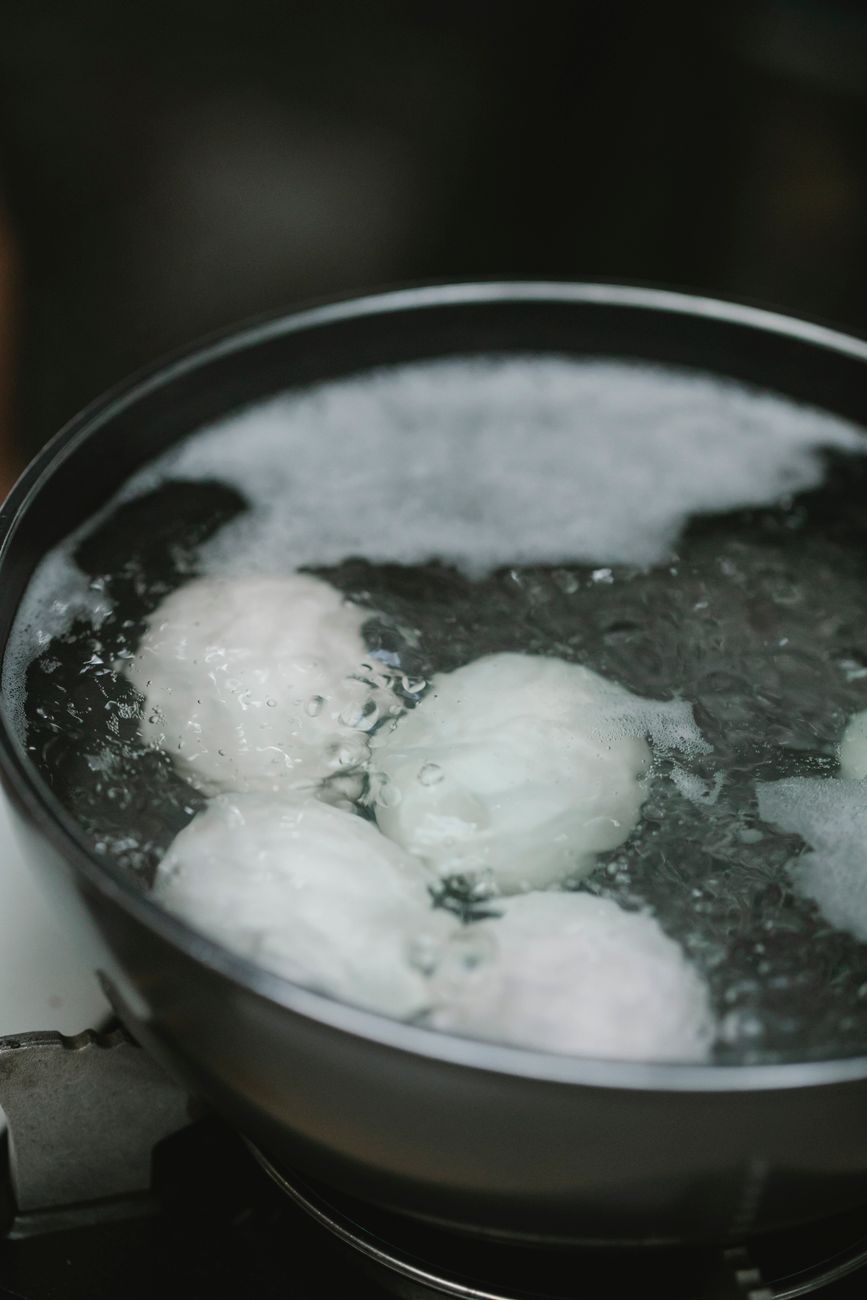
Strain It. Seriously. Strain It.
This is the step I skipped for the first year because I thought it was fussy. It is not fussy. It is the entire game. Pour the egg mixture through a fine mesh strainer into your steaming bowl. You will see strings of egg white and little clumps you did not know were there. Those are what create the rough texture. Strain them out and the difference is night and day.
After straining, use a spoon to pop any bubbles that formed on the surface. Then cover the bowl tightly with foil or a plate. The cover keeps condensation from dripping onto the eggs — another major cause of those ugly pits.
Steam on Low, Not High
High heat makes the eggs puff up, crack, and turn spongy. You want gentle, even heat. Bring the water to a boil, then reduce to low before putting the bowl in. Steam for about 12 to 15 minutes. When it is done, the center should jiggle slightly — like set custard, not rubber.
I top mine with a splash of soy sauce, a few drops of sesame oil, and sliced green onion. That is it. The eggs should taste clean and delicate, not like you covered up a mistake with sauce.
📋 Quick Summary: 2 eggs to 1 cup warm water, strain through a fine mesh, cover the bowl, steam on low for 12–15 minutes. The straining step is not optional.