Why You Should Scrape Your Tongue Every Morning
I used to think tongue scrapers were for people who owned yoga mats and did juice cleanses. Then my dentist showed me a photo of the back of my tongue. It looked like a shag carpet. “That is bacteria, dead cells, and food debris,” she said. “It is also why you have morning breath that could strip paint.”
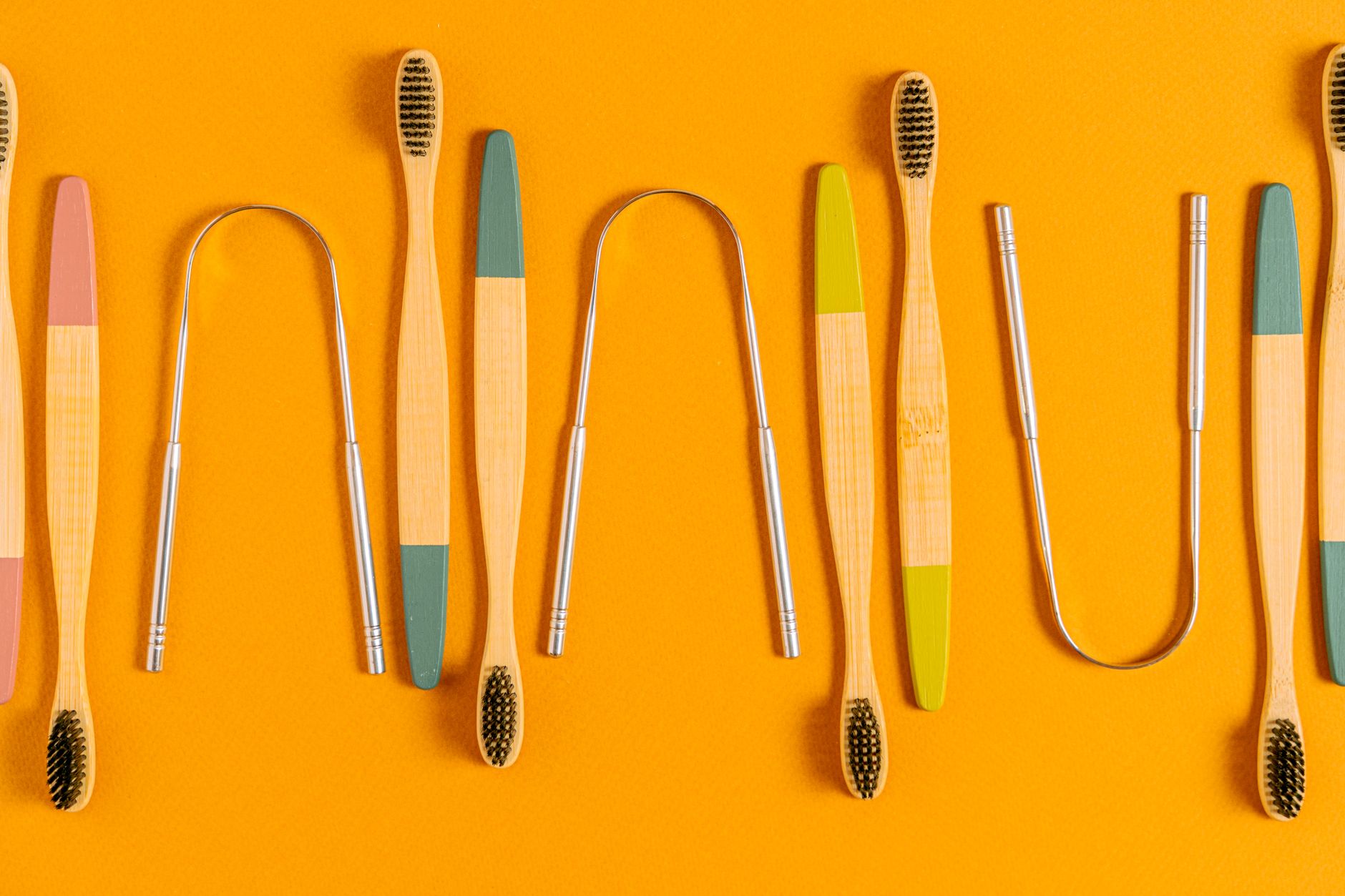
I bought a tongue scraper on the way home. Two dollars. It changed my mornings.
What is actually on your tongue
The surface of your tongue is covered in tiny projections called papillae. Between those papillae, a biofilm builds up — bacteria, dead epithelial cells, food particles, and volatile sulfur compounds. Those sulfur compounds are what make morning breath smell the way it does. Brushing your tongue with a toothbrush moves this stuff around. Scraping removes it.
One study published in the Journal of Periodontology found that tongue scraping reduced volatile sulfur compounds by seventy-five percent after one week of use. Toothbrush alone reduced them by forty-five percent. Both help. Scraping helps more.
How to do it without gagging
The gag reflex is the main reason people give up on tongue scraping. Here is how to manage it:
- Start from the middle, not the back. After a week, you will be able to reach further back. The reflex desensitizes with practice.
- Exhale while scraping. Breathing out suppresses the gag reflex. Inhaling triggers it.
- Stick your tongue out and hold it with your other hand. A tissue works. Your tongue resists less when it is gently pulled.
- Scrape in the morning before eating or drinking. The coating is thickest overnight. Scraping on a dry tongue is more effective than on a wet one.
Metal or plastic?
Metal scrapers — stainless steel or copper — last forever and clean more effectively. The edge is sharper and removes more coating per stroke. Plastic ones are gentler but wear out and need replacement. For a first scraper, get a stainless steel U-shaped one. They cost a few dollars and you will never need another.
Clean the scraper after each use with hot water. Once a week, soak it in hydrogen peroxide or mouthwash for a few minutes.
Does it actually improve your health?
The breath improvement is immediate and obvious. The broader health claims — that tongue scraping improves digestion, removes toxins, boosts immunity — those are less well studied. What is well established is that oral bacteria are linked to gum disease, cardiovascular issues, and even Alzheimer’s risk. Scraping your tongue reduces the bacterial load in your mouth. Whether that translates to measurable health outcomes beyond your teeth and gums is still being researched.
What I can tell you: my dentist noticed the difference at my next cleaning. So did my wife. Two dollars well spent.
Quick Summary: Scrape your tongue every morning before eating. Start from the middle and work backward as your gag reflex adapts. Stainless steel scraper — a few dollars, lasts forever.