Patch Drywall Holes Like You Actually Know What You Are Doing

I put a chair through the wall of my home office. It was one of those rolling desk chairs with the gas cylinder — I leaned back, the cylinder failed, I went backward, and the armrest punched a hole the size of a dinner plate through the drywall. My wife came upstairs and just stared at it. “We have guests coming Saturday.”
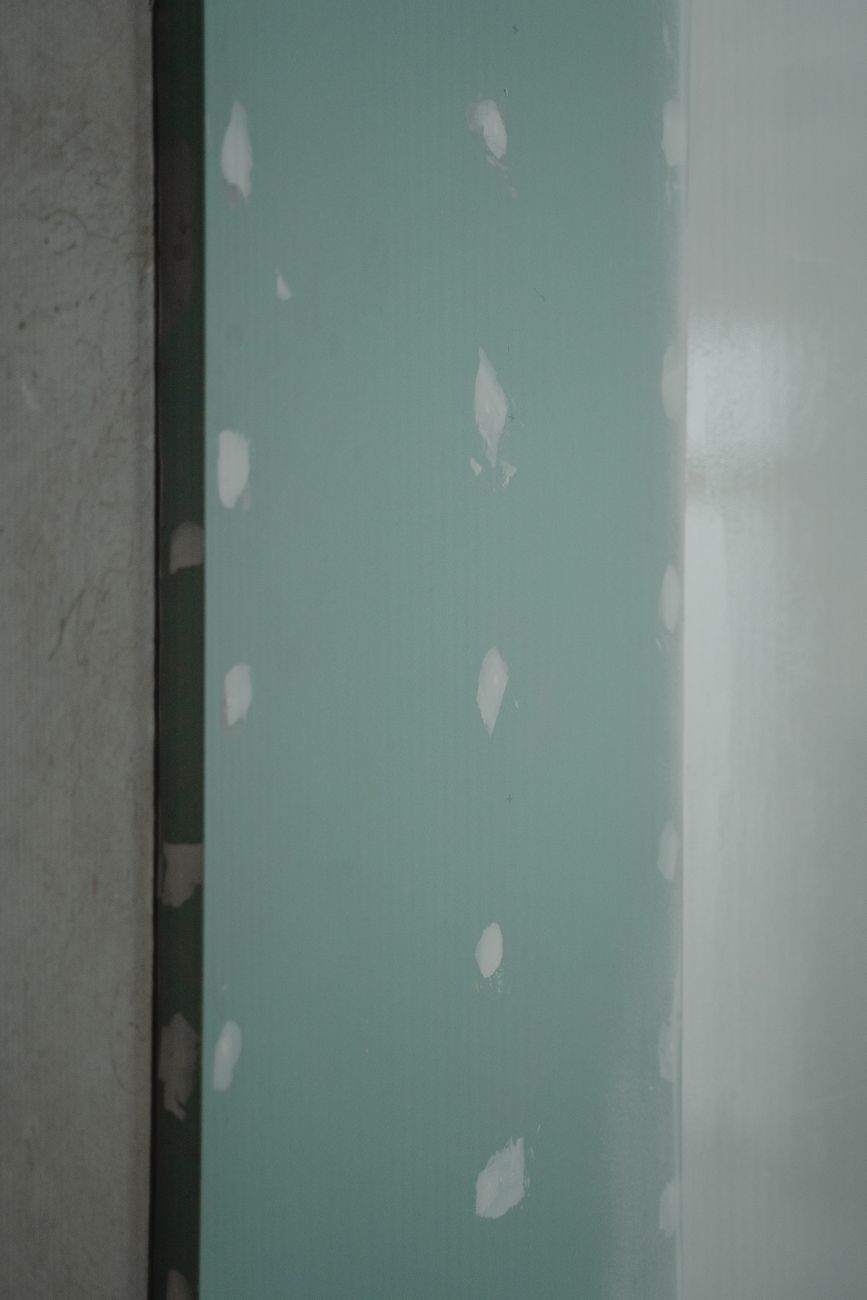
I had never patched drywall before. Saturday was four days away. Here is everything I learned under pressure.
Size matters — pick your approach
- Nail holes, screw holes, small dings: Spackle. Smear it on with a putty knife, scrape it flat, sand when dry. Done in ten minutes.
- Holes up to about four inches: Stick-on mesh patch. Peel and stick over the hole, cover with joint compound in thin layers. The mesh gives the compound something to grip.
- Holes larger than four inches: California patch or full drywall patch. The real deal. This was my situation.
The California patch method
For holes too big for mesh but not requiring new framing, the California patch — also called a butterfly patch — is the cleanest DIY method.
- Square up the hole. Draw a square around the damage with a level. Cut along the lines with a drywall saw. A clean square is easier to patch than a ragged hole.
- Cut a patch piece. Get a scrap of drywall. Cut it two inches larger than your hole on all sides. So if the hole is six by six, cut a ten by ten piece.
- Score the back. On the back of the patch, score a square the exact size of the hole. Snap along the score. Peel the drywall away, leaving the front paper intact around the edges. You now have a plug with a paper border.
- Spread joint compound around the hole. Press the patch in. The paper border acts like tape, bridging the gap. Smooth the paper with a putty knife.
- Three coats of compound. First coat: cover the paper border. Second coat (after drying): feather the edges wider. Third coat: fill any remaining imperfections. Sand between coats.
The skim coat secret
After the final sanding, thin some joint compound with a splash of water — pancake batter consistency. Roll it on with a paint roller, then immediately scrape it off with a wide drywall knife. This fills microscopic pinholes and leaves a glass-smooth surface. Paint it and the patch disappears.
My wall was fixed by Friday night. The guests never knew. My wife has not mentioned it since, but I still see the faint outline when the light hits a certain way. I am the only one who notices. That is how drywall patches work — perfect to everyone except the person who did it.
Quick Summary: Square up the hole, cut a patch with a paper border, press into compound, apply three thin coats, skim coat for smoothness. Let each coat dry fully before sanding.