Get Grill Marks Indoors Without a Grill
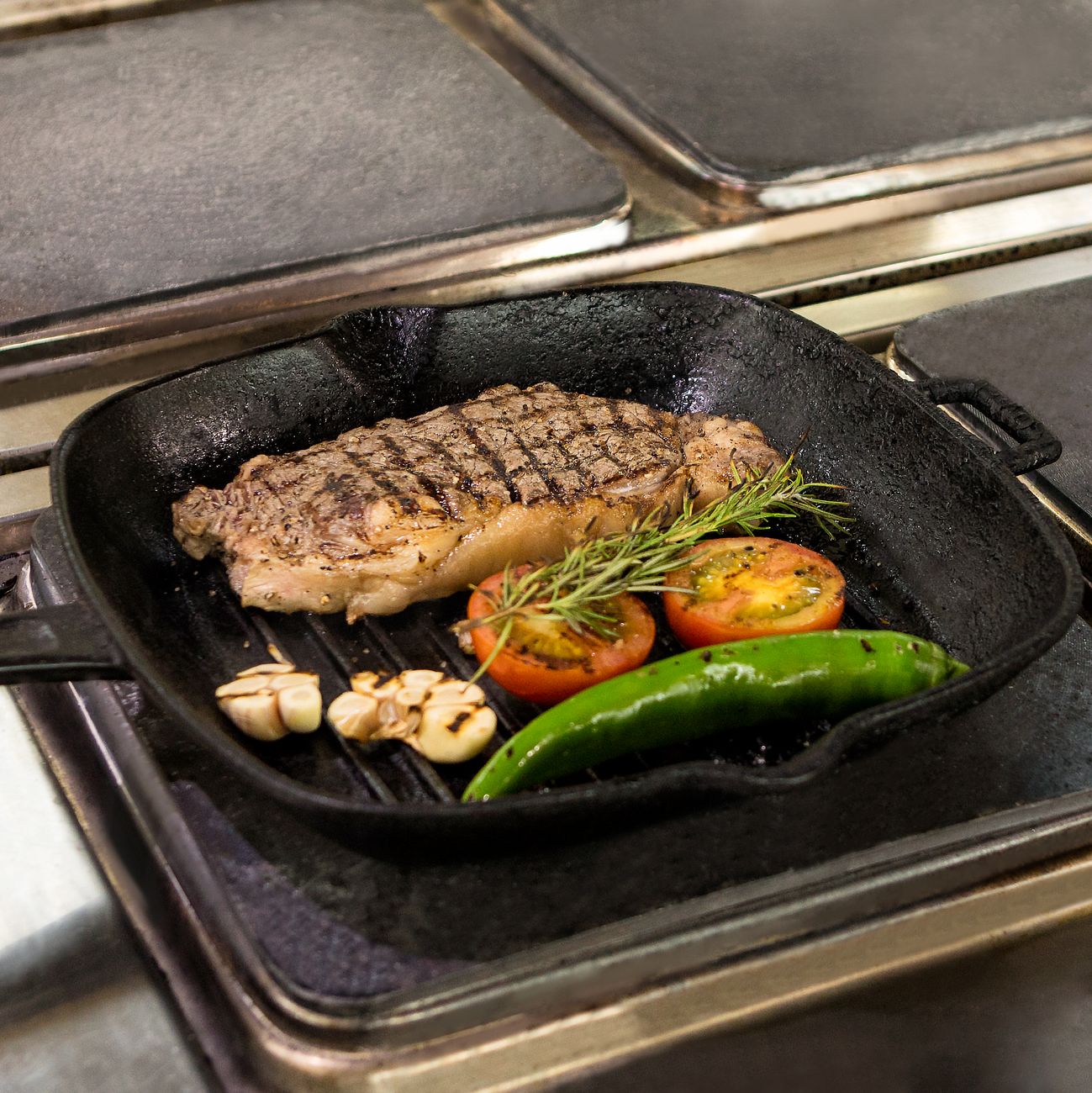
I lived in an apartment with a fire escape and no yard for seven years. Every summer I would walk past someone’s backyard barbecue, smell the charcoal, and feel like a second-class citizen. I wanted grill marks on my steak and I wanted them in my kitchen.
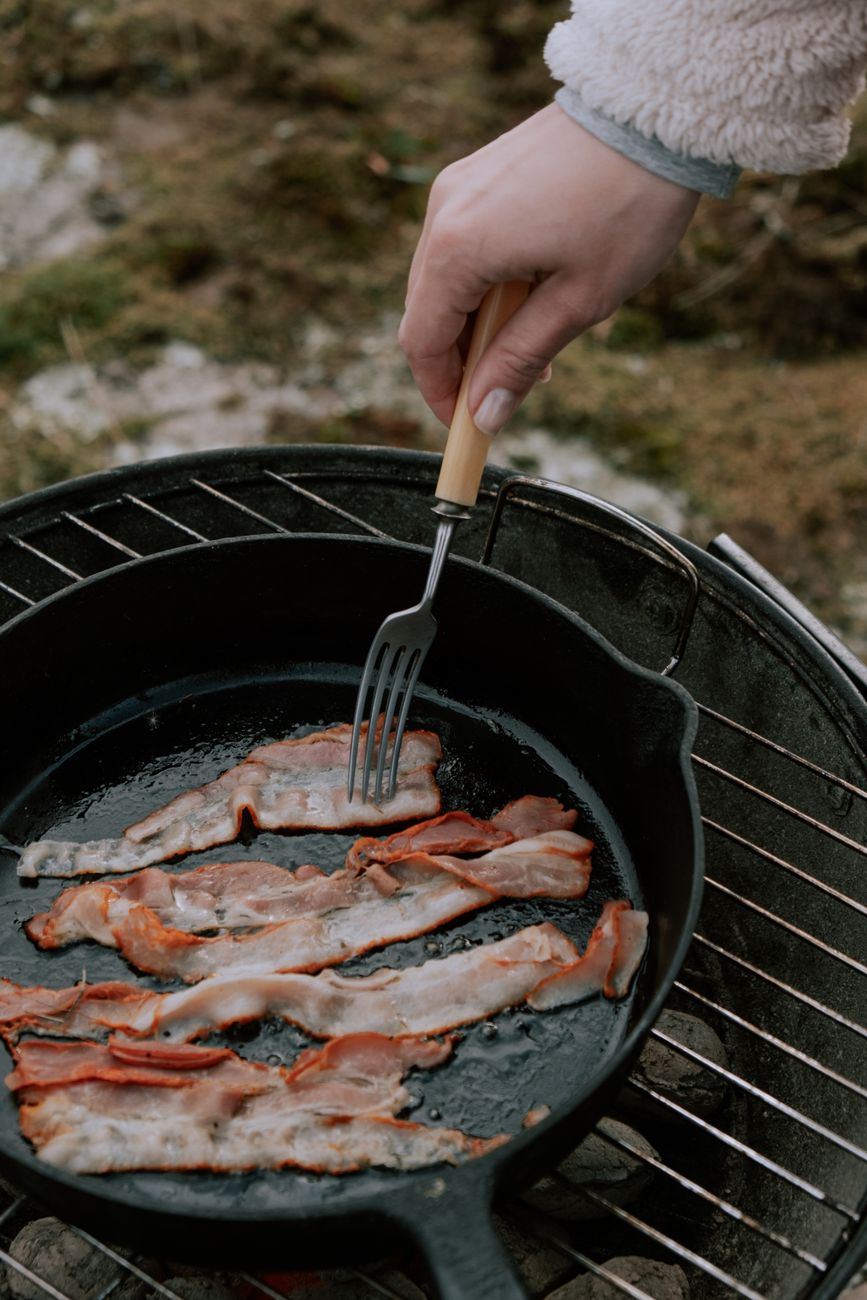
Turns out you can get them. You do not need a grill. You need heat. A lot of it. And one piece of cookware you probably already own.
The tool that changed everything
A cast iron skillet. Nothing else gets hot enough and stays hot enough. When you lay a steak on a cold grill grate, the metal steals heat from the meat. Cast iron holds heat so well that the surface barely drops when food hits it. That is what makes the marks.
No cast iron? A heavy stainless steel pan works too. Do not bother with nonstick — it cannot handle the temperature you need without releasing fumes.
How to get the marks, step by step
- Dry the meat. Pat your steak or chicken breast completely dry with paper towels. Water is the enemy of browning. It steams instead of sears.
- Oil the food, not the pan. Rub a thin layer of high-smoke-point oil — avocado, grapeseed, vegetable — directly onto the meat. Oil in the pan burns and smokes before the meat even touches it.
- Get the pan screaming hot. Heat the empty skillet over high heat for three to four minutes. You should see a faint wisp of smoke. Test it by flicking a drop of water in — it should dance and evaporate instantly.
- Lay the meat down and do not touch it. The hardest part. Set a timer for three minutes and walk away. Lifting and checking peels off the crust that is trying to form.
- Rotate for crosshatch marks. If you want that restaurant look, give the meat a 90-degree turn halfway through each side. Same contact time, just rotated.
- Flip once. Three to four minutes per side for a one-inch steak. Use tongs, not a fork. Poking holes lets the juice escape.
What about the smoke?
High-heat searing makes smoke. No way around it. Here is what helps:
- Open windows, turn on the exhaust fan, and close bedroom doors.
- If your smoke detector is sensitive, put a shower cap over it while you cook. Take it off when you are done. I forget this step about half the time and my dog has developed a Pavlovian fear of sizzling sounds.
- Use an oil with a smoke point above 400°F. Olive oil burns at 375. Avocado oil burns at 520. The difference is a hazy kitchen versus a tolerable one.
Finishing it right
Once the marks are set and the meat is at the right internal temperature, pull it off. Let it rest five minutes under a loose piece of foil. During those five minutes a lot of boring science happens — the muscle fibers relax, the juices redistribute. Skip this and they all run onto your cutting board.
While it rests, throw a pat of butter and a crushed garlic clove into the hot pan. Thirty seconds. Pour that over the steak. It is the thing that makes a pan-seared steak taste like a steakhouse one.
Quick Summary: Use a cast iron skillet at max heat. Dry the meat, oil the food not the pan, sear without moving for 3-4 minutes per side. Rest five minutes before slicing.