An Evening Routine for Better Sleep That Starts Tonight
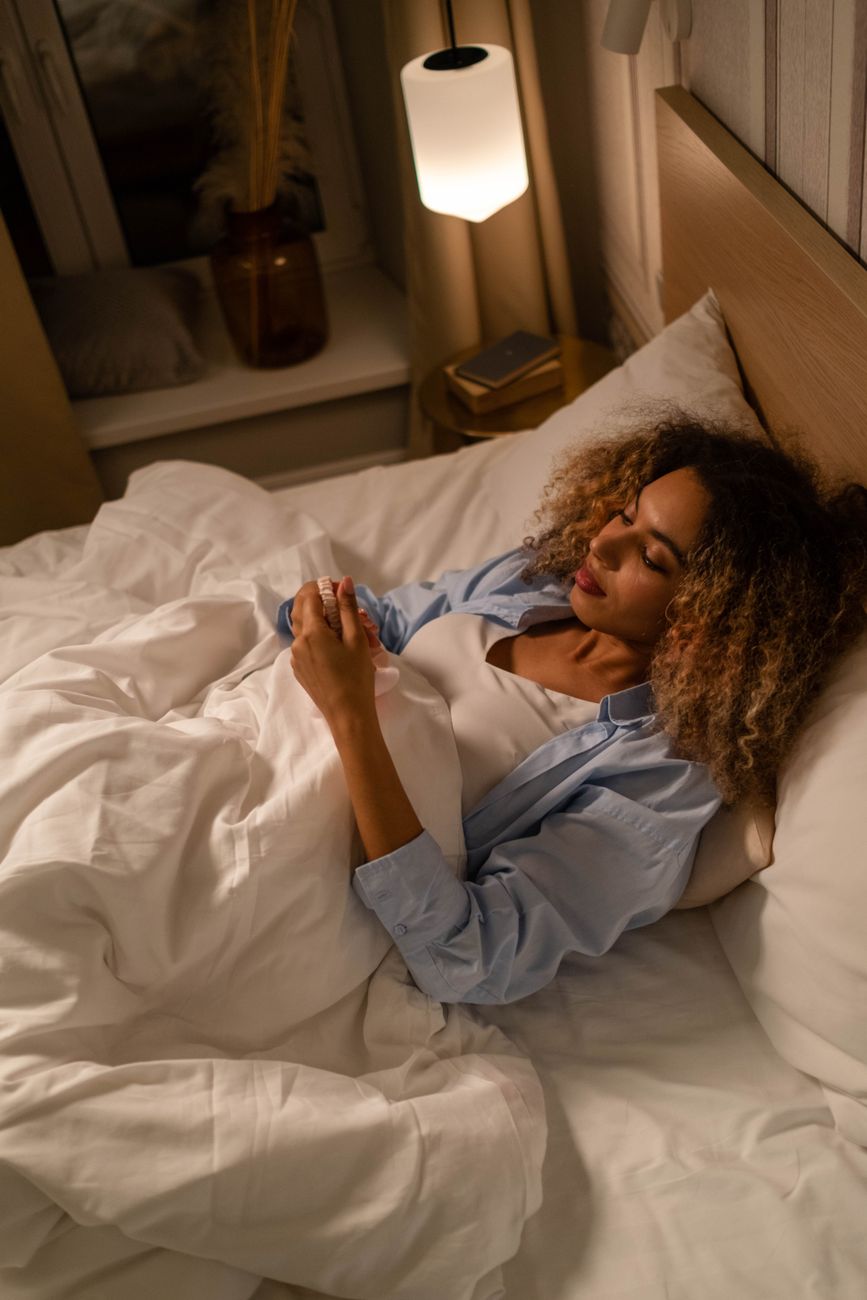
I used to lie in bed scrolling my phone until my eyes burned, then wonder why I could not fall asleep. Every night. For years. I knew phone screens before bed were bad. I did it anyway.
Then I read something that stuck: falling asleep is not a switch — it is a dimmer. Your brain needs time to power down. If you go from bright screens and mental stimulation straight to “okay, sleep now,” your brain does not cooperate.
I put together a thirty-minute evening routine about six months ago. It is not elaborate — no candles, no journaling, no meditation app. Just a few small things in a specific order. My sleep improved within the first week.
The 30-Minute Wind-Down
Hour before bed: no screens. This is the hard one. I put my phone on a charger in the kitchen, not the bedroom. The blue light from screens suppresses melatonin — the hormone that tells your brain it is time to sleep. Even with night mode on, the mental stimulation of scrolling keeps your brain engaged. Reading a physical book or a Kindle with the backlight off is fine.
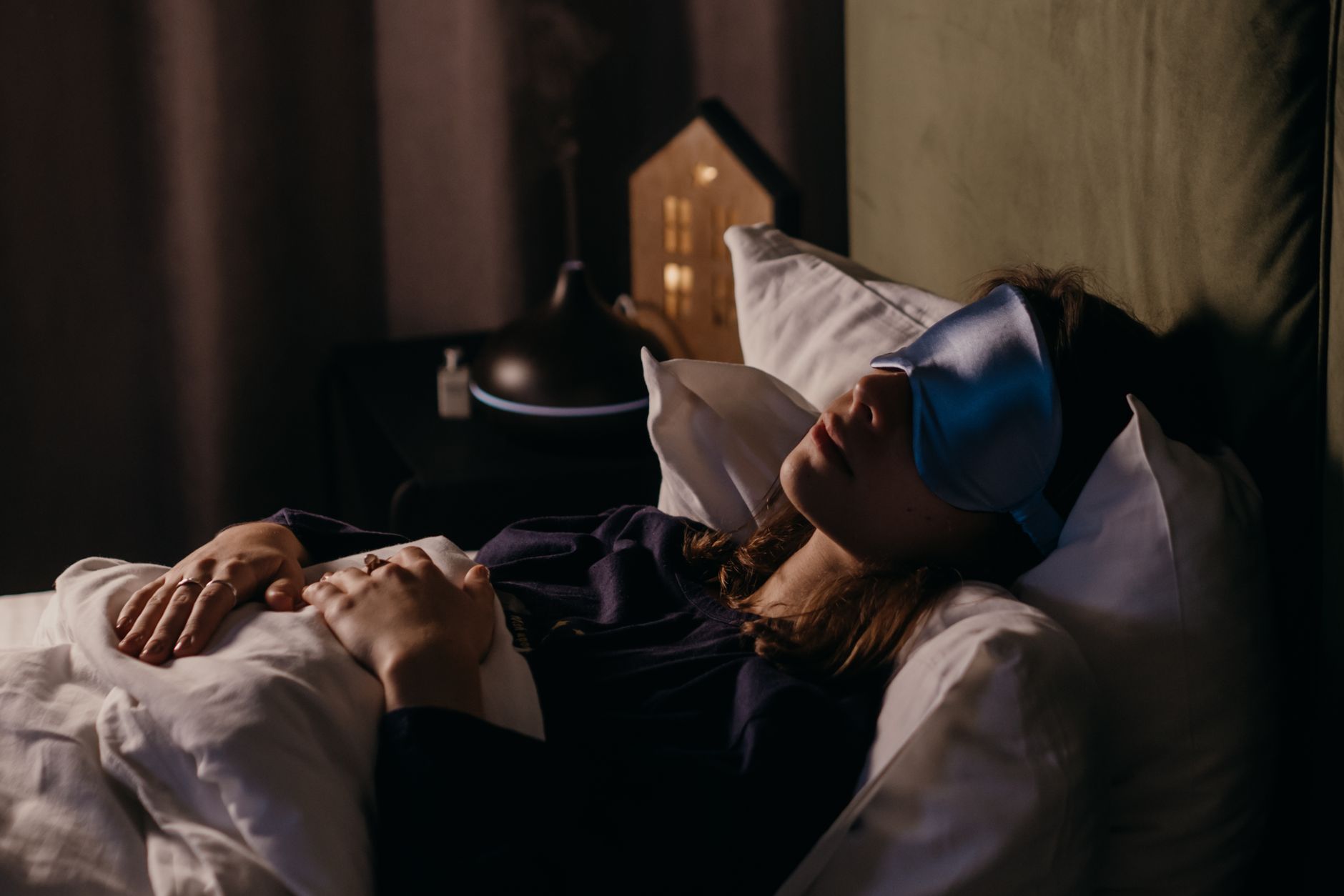
Twenty minutes before bed: dim the lights. I turn off the overhead light and switch to a small lamp with a warm bulb. Bright light signals “daytime” to your brain’s internal clock. Dim light signals “wind down.” It sounds too simple to matter. It matters.
Ten minutes before bed: a quick tidy-up. Not deep cleaning — just putting away clutter, setting out clothes for tomorrow, wiping down the kitchen counter. It closes the mental loop on the day. My brain stops running through tomorrow’s to-do list and accepts that today is done.
Five minutes before bed: same time every night. Going to bed at the same time — even on weekends — trains your circadian rhythm. Your body starts releasing melatonin at the same time each night because it has learned when to expect sleep. Irregular bedtimes confuse this system. I aim for 11 PM and try to stay within thirty minutes of that.
What Did Not Work for Me
- Melatonin supplements. They worked for a few nights, then stopped. Your body builds tolerance quickly. They are useful for jet lag, not daily use.
- White noise apps on my phone. Because I had to pick up my phone to turn them on — and then I would see a notification and suddenly twenty minutes had passed. A dedicated white noise machine solved this.
- “Just try harder to fall asleep.” If I am still awake after twenty minutes, I get out of bed and read in dim light until I feel drowsy. Lying there getting frustrated makes sleep less likely.
The biggest shift was putting my phone in another room. Everything else helped, but that one change accounted for most of the improvement. I wake up before my alarm now. I did not think I was capable of that.
Quick Summary: No screens for one hour before bed, dim lights 20 minutes before, tidy up for 10 minutes to close the mental loop, and go to bed at the same time every night. Phone charges in another room. Melatonin supplements lose effectiveness with daily use — save them for jet lag.