Seal Gaps Around Windows and Watch Your Energy Bill Drop
Hold your hand near a closed window on a cold day. Feel that? That is money leaving your house. Drafty windows can account for 25 to 30 percent of your heating and cooling costs, according to the U.S. Department of Energy. Gaps you cannot even see are silently driving up your bill every month.
I sealed all the windows in my house over one weekend. The materials cost about forty dollars total. My next energy bill was noticeably lower — and the rooms near those windows stopped feeling cold in winter.
Step 1: Find the Leaks
You do not need fancy equipment. On a windy day, hold a lit incense stick or a thin piece of toilet paper near the edges of your windows. If the smoke wavers or the paper flutters, you have found a leak. Do this around all four sides of every window — especially the bottom edge where the sash meets the frame.
In summer, you can do the same test on a hot day with your AC running. Cold air escaping feels like a draft in reverse. The incense trick works year-round.
Step 2: Choose Your Weapon
Different gaps need different materials:
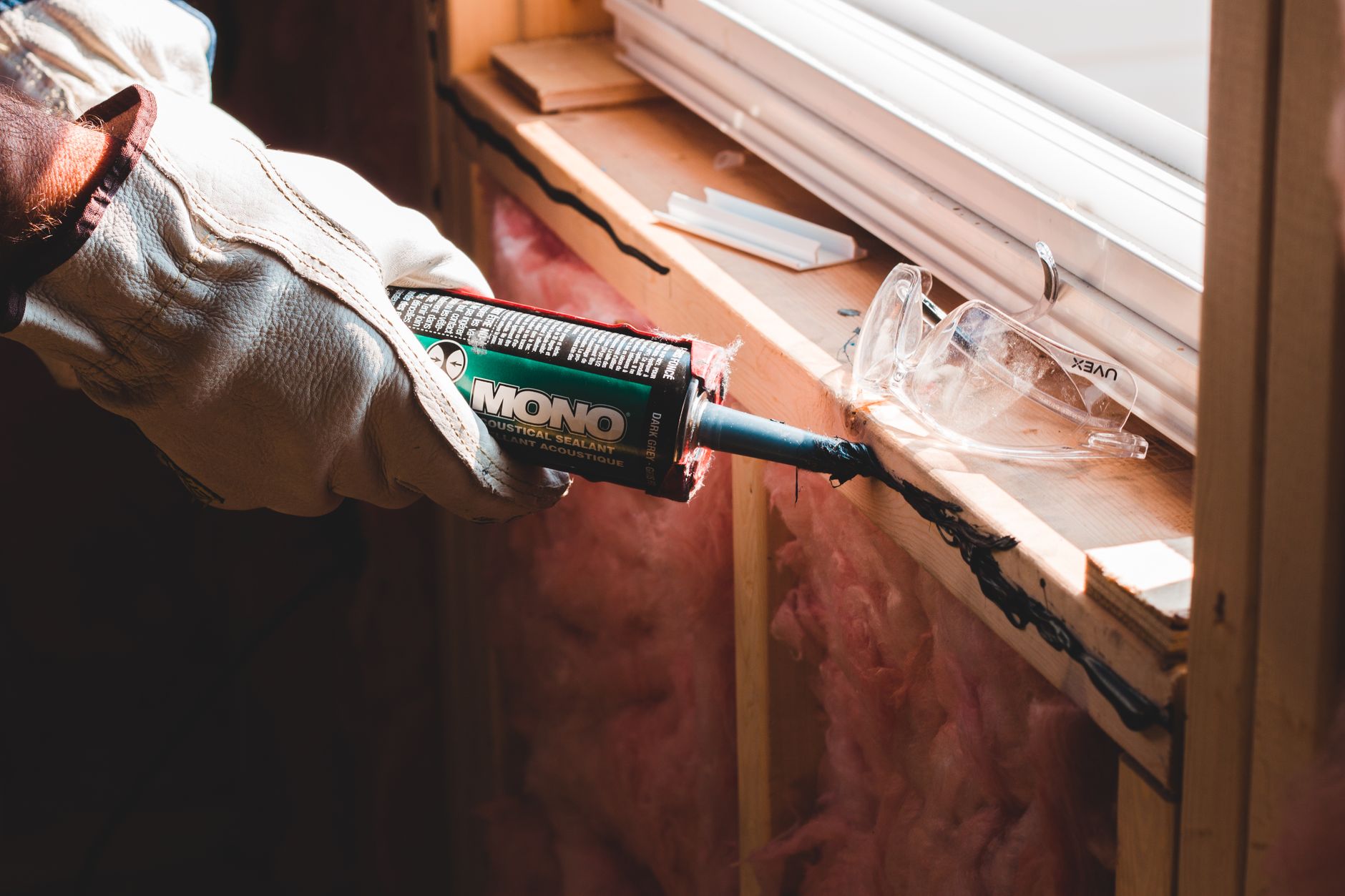
- Caulk — for stationary gaps. The seam where the window frame meets the wall, or where the trim meets the frame. Use a paintable silicone or acrylic latex caulk. A tube costs about five dollars.
- Weatherstripping — for moving gaps. The space between the sash and the frame, where the window opens and closes. Adhesive-backed foam tape is the easiest to install. Get the right thickness — too thick and the window will not close.
- V-seal or tension seal — for the sides of the sash. This V-shaped plastic or metal strip compresses when the window closes, creating a tight seal. Harder to install but lasts longer than foam tape.
- Rope caulk — for temporary winter sealing on windows you never open. Press it into the gaps in fall, peel it out in spring. Costs a few dollars and leaves no residue.
Step 3: Do Not Forget the Outlets
Electrical outlets on exterior walls are a sneaky source of drafts. Remove the outlet cover, install a foam outlet gasket (under a dollar each at any hardware store), and screw the cover back on. The difference is small per outlet, but a whole house full of them adds up.
Sealing my windows took most of a Saturday. The house felt noticeably less drafty that night. The energy bill confirmed it was not just placebo. Forty dollars, one weekend — probably the best return on investment of any home project I have done.
Quick Summary: Find leaks with an incense stick or toilet paper on a windy day. Seal stationary gaps with caulk, movable gaps with weatherstripping or V-seal. Add foam gaskets behind outlet covers on exterior walls. Drafty windows can account for 25-30% of heating/cooling costs.