Fix a Running Toilet in 10 Minutes Without Calling a Plumber
A running toilet can waste up to 200 gallons of water per day. I learned this after receiving a water bill that was nearly double the usual amount. The toilet in the guest bathroom had been running quietly for weeks and I had tuned it out — that faint hissing sound just became background noise.
The fix cost eight dollars and took less than ten minutes. Most running toilets have exactly one of two problems, and both are DIY-simple. Here is how to diagnose and fix yours.
Problem 1: The Flapper Is Shot
This is the culprit about 90% of the time. The flapper is the rubber seal at the bottom of the tank that lifts when you flush and drops back down to stop the water. Over time, the rubber hardens, warps, or gets mineral buildup, and it no longer creates a perfect seal. Water leaks past it into the bowl, the tank level drops, and the fill valve keeps running to top it off.
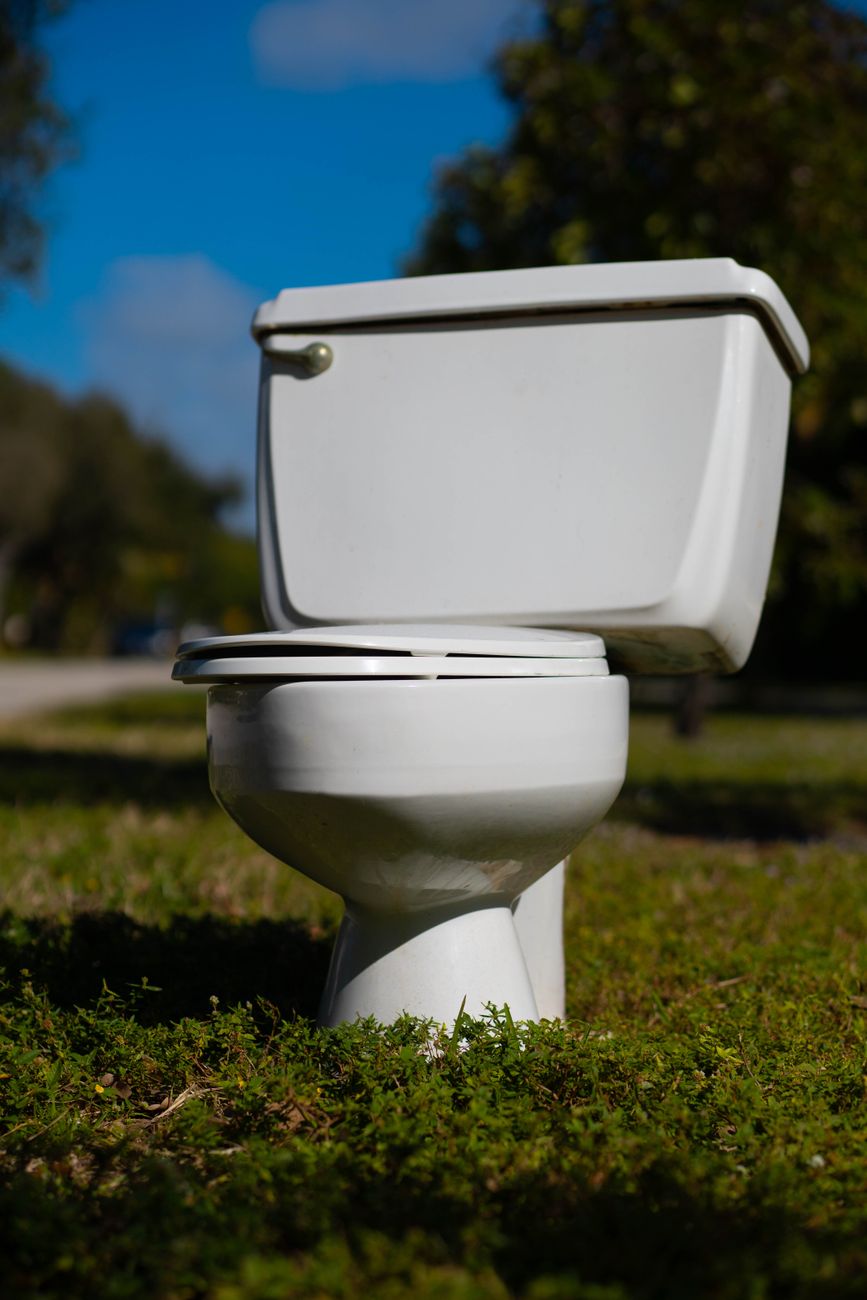
How to test: Put a few drops of food coloring in the tank. Wait fifteen minutes without flushing. If colored water appears in the bowl, the flapper is leaking.
How to fix: Turn off the water supply valve behind the toilet. Flush to empty the tank. Unhook the old flapper from the chain and the pegs at the bottom. Take it to the hardware store to match the size — there are two common sizes and you want the right one. Clip the new flapper in, reattach the chain with about half an inch of slack, turn the water back on. Done.
Problem 2: The Fill Valve Is Set Too High
If the water level in the tank is above the top of the overflow tube — that open pipe in the middle of the tank — water pours continuously into it. The fill valve never shuts off because the tank never reaches the shutoff level.
How to fix: Adjust the float. On older toilets, pinch the metal clip on the float arm and slide it down. On newer ones, there is a screw or a dial on top of the fill valve that adjusts the water level. Lower it until the water stops about half an inch below the top of the overflow tube.
When You Actually Do Need a Plumber
If you replace the flapper and adjust the fill valve and the toilet still runs, the fill valve itself may be failing. A replacement fill valve kit costs about fifteen dollars and is still DIY-able, but if you are not comfortable disconnecting water lines, call a plumber. That is the line I draw.
My water bill dropped back to normal the next month. Eight dollars and ten minutes. I now add “listen for running toilets” to my monthly house check.
Quick Summary: Test with food coloring in the tank — if color appears in the bowl, replace the flapper ($8). If the water level is above the overflow tube, adjust the float lower. Both fixes take under 10 minutes. A running toilet wastes up to 200 gallons per day.