Build a Winter Power Outage Kit Without Spending a Fortune
Our power went out during a snowstorm two winters ago. It stayed out for eighteen hours. The house dropped to fifty degrees. We ate cold soup from a can and read by flashlight. It was not a disaster, but it was also not fun — and I realized how embarrassingly unprepared we were.
I built a proper winter outage kit after that. Everything in it cost under a hundred dollars total, much of it from the dollar store and what I already had at home. Here is what is actually useful versus what emergency preparedness blogs overhype.
The Non-Negotiables
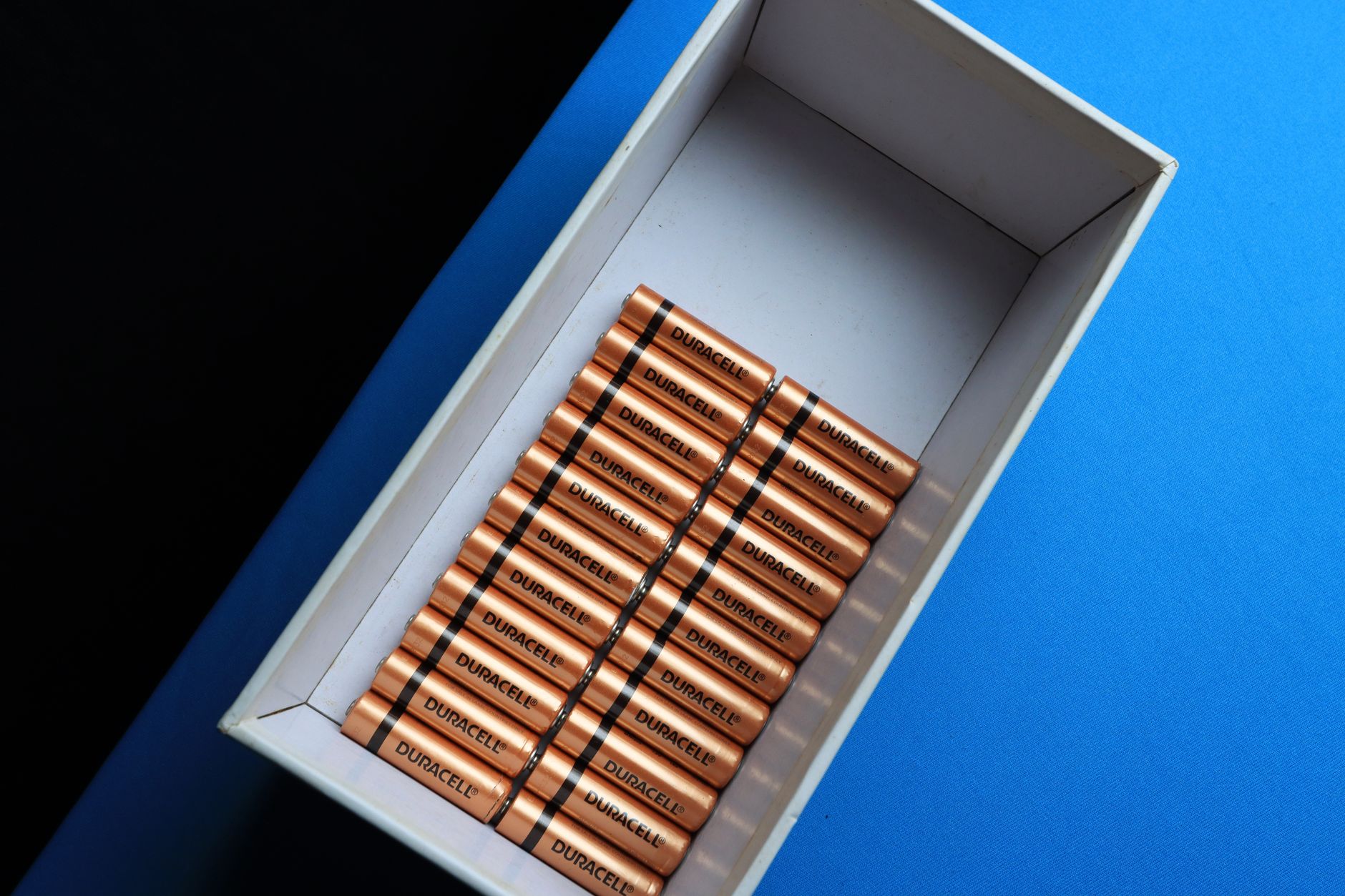
Light. A flashlight for each person, plus extra batteries. Headlamps are better — they leave your hands free. I keep a headlamp in the bedside table and one in the kitchen drawer. LED lanterns that run on AA batteries give room-level light and last for days.
Warmth. One heavy blanket per person, stored in an accessible spot. Sleeping bags if you have them. Hand warmers — the disposable kind that activate when you open the package. A pack of ten costs a few dollars and takes up no space.
Power. A portable power bank to charge your phone. Most people already have one — just keep it charged before storms. A fully charged power bank can recharge a phone two or three times.
The Stuff Nobody Thinks About Until It Is Too Late
- Food that does not need cooking or refrigeration. Canned beans, tuna packets, peanut butter, granola bars, dried fruit, crackers. Enough for 24-48 hours. Do not forget a manual can opener.
- Water. One gallon per person per day, for at least three days. If you have advance warning of a storm, fill the bathtub too — you can use that water for flushing toilets.
- A battery-powered or hand-crank radio. When the power is out and cell towers are overloaded, radio is how you get weather updates and emergency information. A basic emergency radio costs under twenty dollars.
- First aid kit. Check yours. Replace anything expired. Make sure it is somewhere you can find in the dark.
- Prescription medications. Have at least a three-day supply in your kit. Do not rely on being able to get to a pharmacy during a storm.
What You Probably Do Not Need
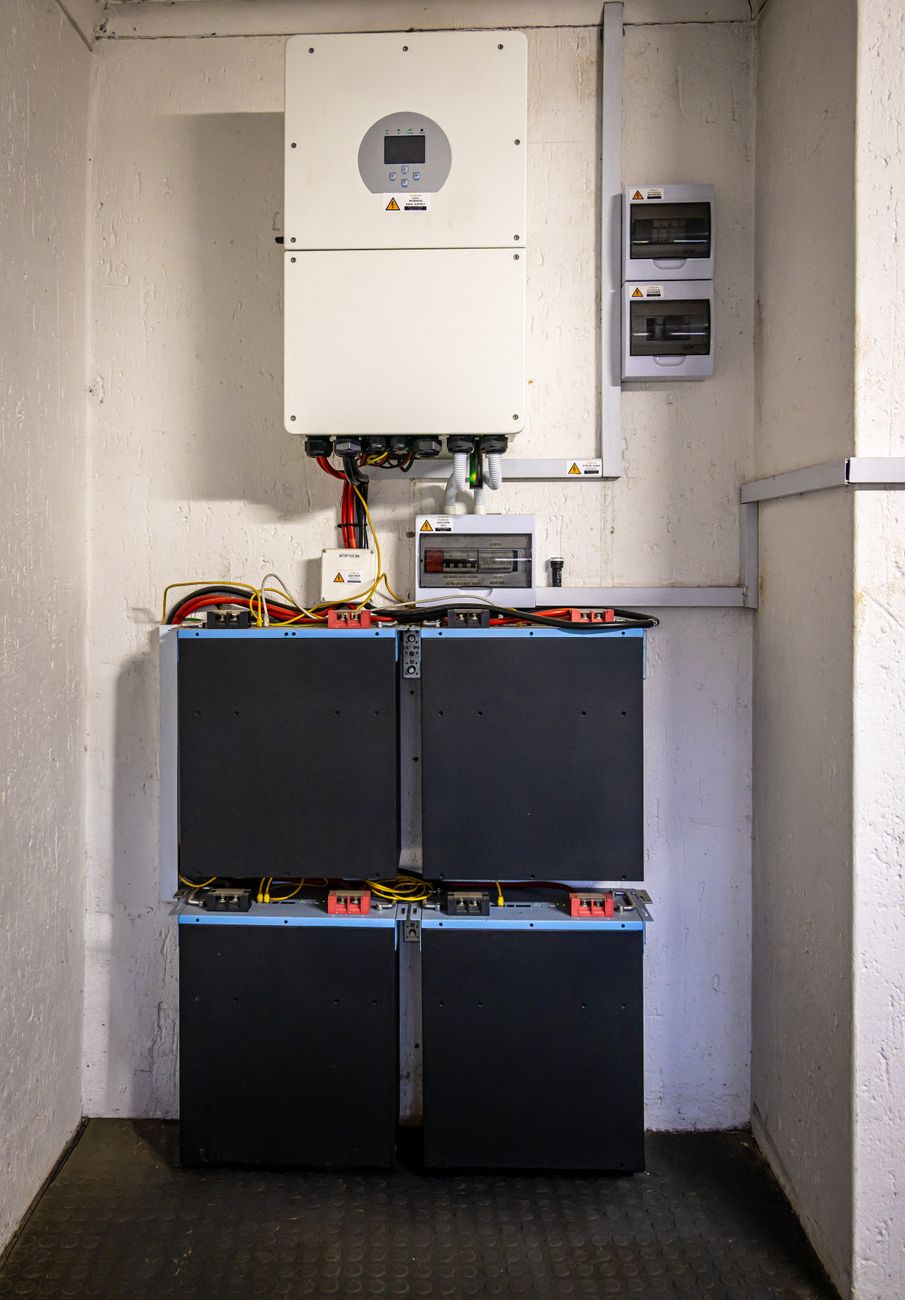
Expensive “emergency food” buckets are mostly overpriced camping meals. A few cans of soup and a jar of peanut butter work just as well for a short outage. Generators are great if you can afford them, but for most winter outages lasting less than 24 hours, the items above will get you through.
I keep everything in a clear plastic bin in the hall closet — labeled, easy to grab, nothing buried. That eighteen-hour outage was uncomfortable but survivable. The next one will just be an inconvenience. That is a good feeling.
Quick Summary: Flashlights/headlamps with extra batteries, warm blankets and hand warmers, portable power bank, non-perishable food and water for 48 hours, battery-powered radio, first aid kit, and prescription meds. Store everything in one labeled bin. No need for expensive generators or specialty gear for outages under 24 hours.