How Often Should You Actually Sanitize Your Toothbrush
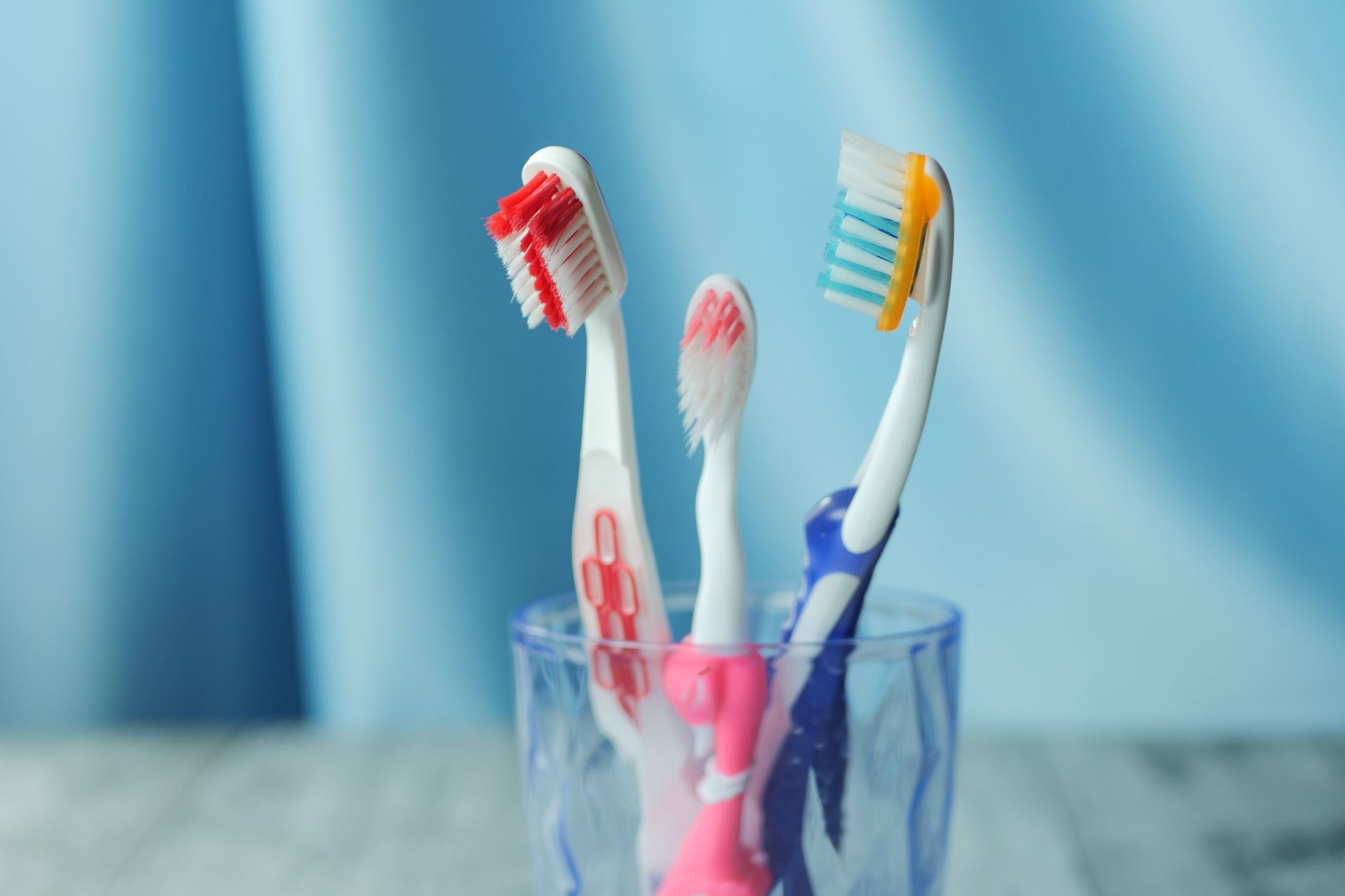
I used the same toothbrush for six months once. Not because I was too cheap to replace it — I just did not think about it. Then a dental hygienist friend saw it in my bathroom and made a face I will not forget.
“You know that thing sits five feet from your toilet, right?” she said.
I have thought about toothbrush hygiene a lot more since that day.
The Actual Science on Toothbrush Germs
Your mouth contains hundreds of species of bacteria. Most of them are harmless. Some of them end up on your toothbrush. Add to that the bathroom environment — humidity, occasional toilet plume if you flush with the lid up — and your toothbrush is basically a tiny ecosystem.
But here is the thing that surprised me: there is no strong evidence that toothbrush germs make healthy people sick. Your immune system handles it. The bigger risk is re-infecting yourself if you have been sick, or sharing bacteria between family members if toothbrushes touch in the holder.
What Actually Works for Cleaning
I asked my hygienist friend what she actually recommends — not what the internet says. Here is her list:
- Rinse thoroughly with hot water after every use. Hot water from the tap, not boiling. Get the toothpaste residue out from between the bristles.
- Store it upright and let it air dry. Do not cap it or put it in a drawer while wet. Bacteria love moisture.
- Soak in hydrogen peroxide once a week. A 3% solution from the drugstore. Soak the head for ten minutes, then rinse. This is the most effective at-home method.
- Replace every three to four months. Or sooner if the bristles are frayed. A worn-out brush does not clean your teeth properly anyway.
Stuff That Probably Does Not Help
UV sanitizers. They kill some bacteria but add cost and hassle without proven health benefits for the average person. If you have a compromised immune system, they might be worth it. For everyone else — save your money.
Boiling water or the dishwasher. Both can damage the bristles and the adhesive holding them in place. A damaged brush is worse than a slightly germy one.
Mouthwash soaks. Alcohol-based mouthwash can kill some bacteria but may also degrade the bristles over time. Hydrogen peroxide is cheaper and gentler on the brush.
The One Habit I Actually Changed
I close the toilet lid before flushing now. Every time. It takes half a second, and it eliminates the whole “toothbrush in the splash zone” problem at the source. That plus a weekly hydrogen peroxide soak is my entire routine.
Is my toothbrush sterile? No. Does it need to be? Also no. But it is a lot cleaner than the six-month-old one my friend side-eyed in my bathroom.
Quick Summary: Rinse with hot water after every use, soak in hydrogen peroxide weekly, replace every 3-4 months, and close the toilet lid before flushing. Healthy people do not need UV sanitizers — your immune system handles the rest.