Kitchen Scales for Bakers Who Want Precision
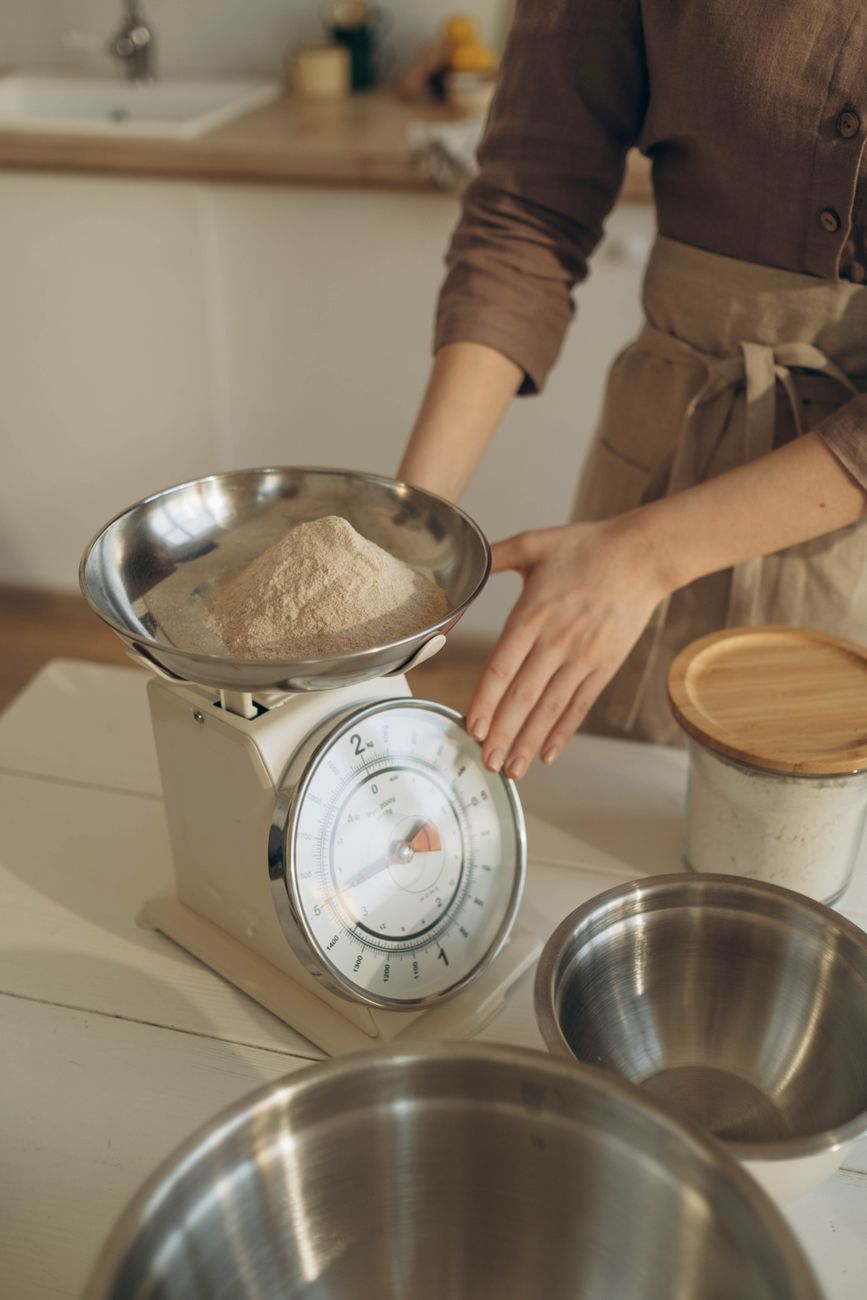
I baked chocolate chip cookies for years using measuring cups and wondered why they came out different every time. Sometimes flat, sometimes cakey, once inexplicably perfect. My friend who bakes professionally watched me scoop flour and said “you’re doing it wrong” in the kindest possible way.
Turns out a cup of flour can weigh anywhere from 120 to 160 grams depending on how you scoop it. That’s a 30% variation. No wonder my cookies were inconsistent.
Why weight beats volume
Flour compacts. Scooping directly from the bag packs it tight. Spooning it in lightly leaves it airy. Same volume, radically different weight. A scale eliminates this variable entirely.
What to look for
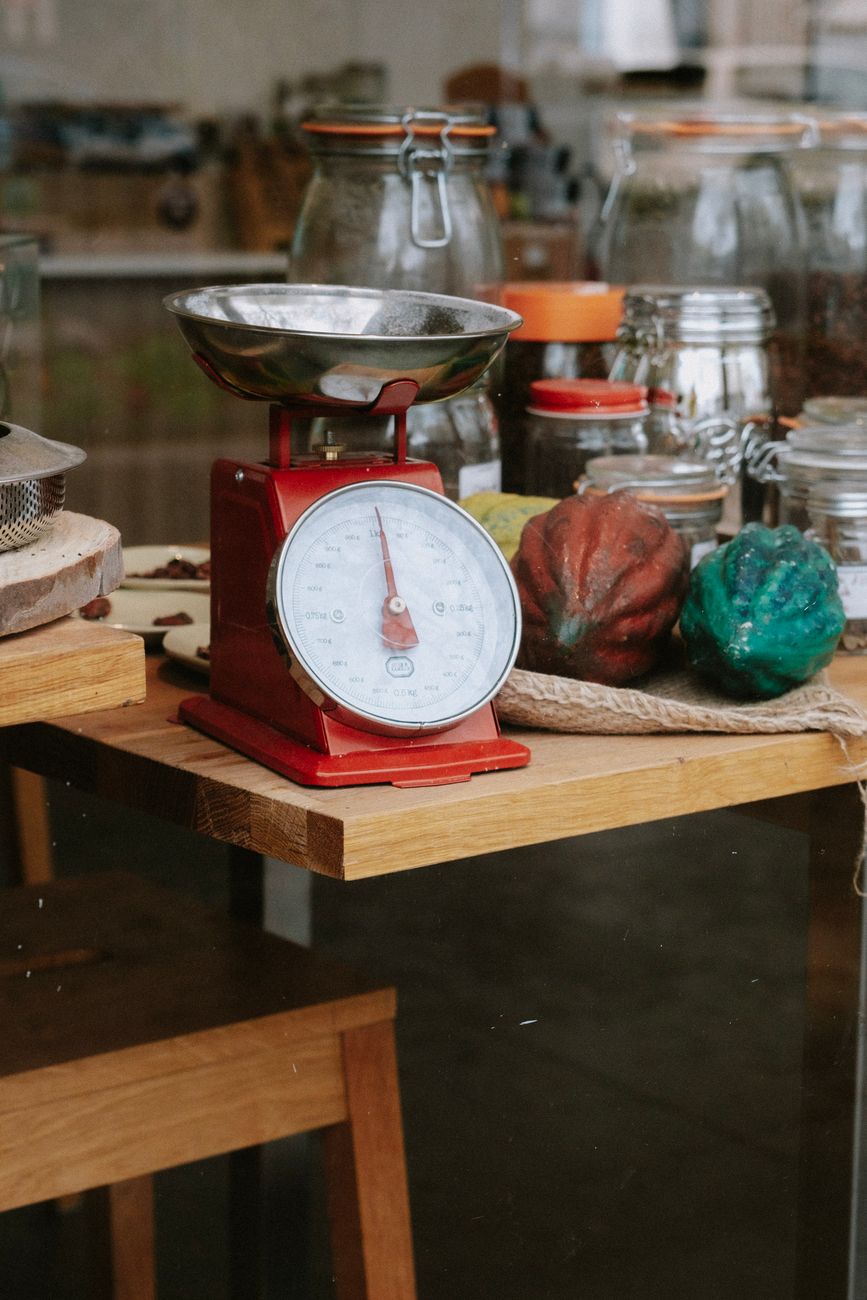
0.1g precision. For baking, you need tenth-of-a-gram accuracy. Salt and yeast are measured in tiny quantities and regular 1g-precision scales round to the nearest gram. That’s the difference between “correctly risen” and “dense brick.”
Tare function. Every scale has this. Put the bowl on, hit tare to zero it out, add your first ingredient. Tare again, add the next. No math, no extra bowls.
Backlit display. Sounds trivial until you’re leaning over the scale at a weird angle and your shadow blocks the numbers. Backlit screens solve this completely.
Auto-off delay of at least 4 minutes. Some scales shut off after 60 seconds to save battery — right when you’re mid-recipe with ingredients already on the scale. Longer auto-off or the ability to disable it is a must.
Recommendations: Escali Primo (budget, reliable, no backlight), OXO Good Grips 11lb (pull-out display, backlit), My Weigh KD-8000 (baker’s choice, percentage-weighing mode for scaling recipes).
Quick Summary: A 0.1g precision scale eliminates the 30% variation of volume measuring. Look for tare function, backlit display, and long auto-off delay. Escali, OXO, and My Weigh are the go-to brands.