Revive Stale Bread With a Quick Oven Trick
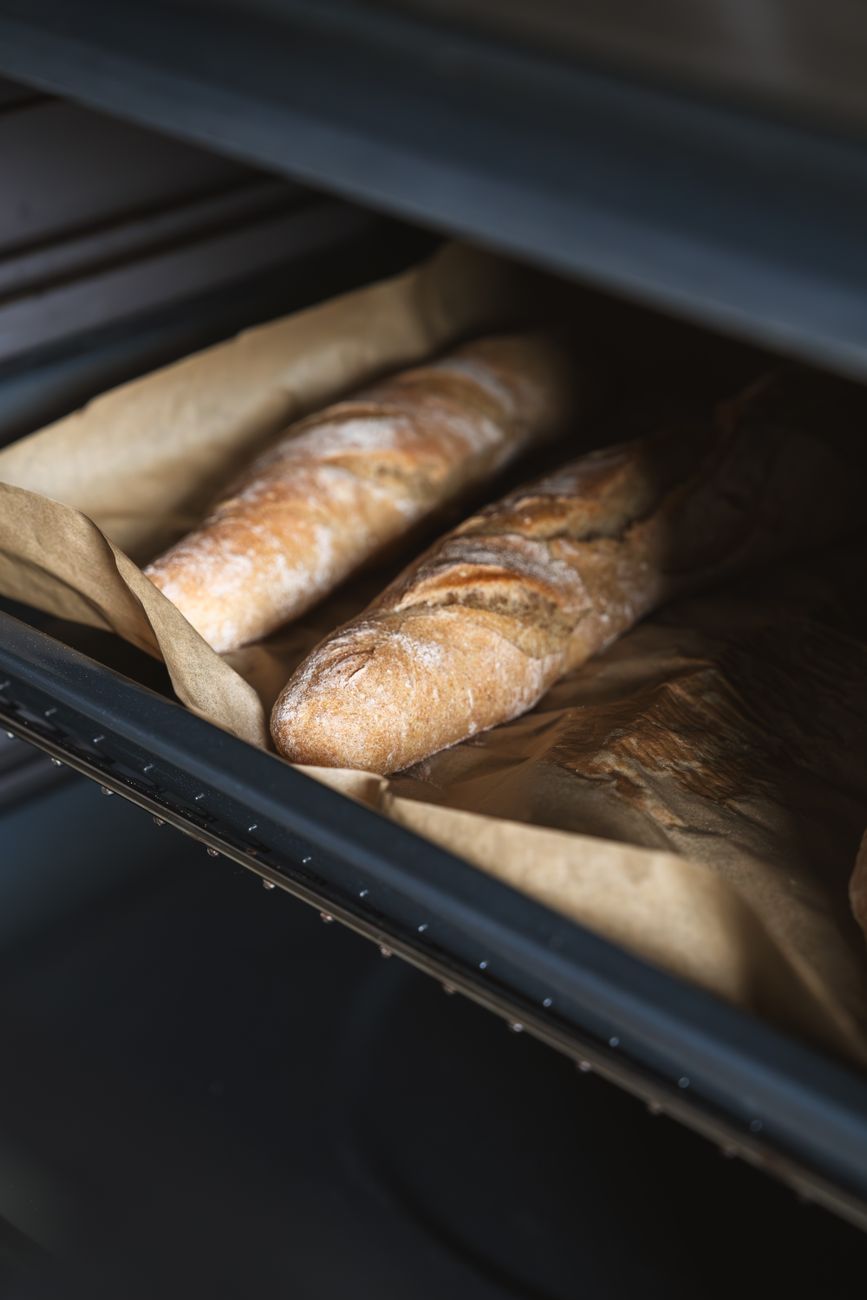
I threw away so much bread. Baguettes, sourdough loaves, fancy bakery rolls all of them went hard after a day and I just assumed that was it. Into the trash. Then I watched a baker on Instagram run a stale loaf under the faucet and put it in the oven. I yelled at my phone.
It works. It actually works. And now I have not thrown out bread in over a year.
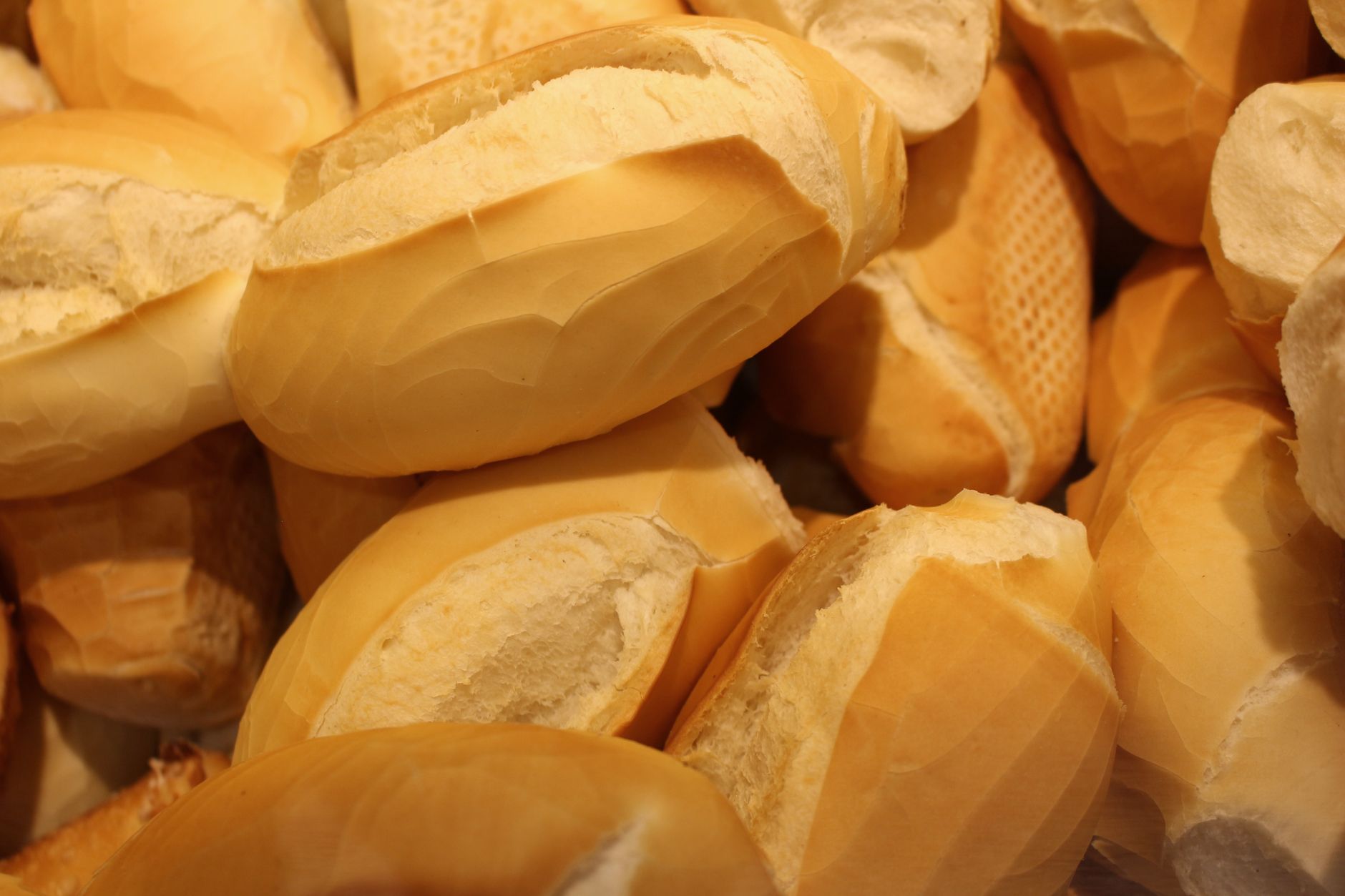
The water-and-oven method
Run your stale bread under the faucet for about five seconds just enough to wet the crust. Not soak it. Not drown it. A quick rinse. Then pop it directly onto the oven rack at 300F for six to eight minutes for a small loaf, or ten to twelve minutes for a large one.
The moisture turns to steam inside the crust, rehydrating the interior from within. The dry oven heat crisps the outside back up. What comes out is a loaf that tastes fresh-baked crackly crust, soft interior. I have served this to guests who complimented my “homemade bread” and I did not correct them.
Why bread goes stale (it is not drying out)
Stale bread is not dry bread. It is a crystallization problem. The starch molecules in flour lock together over time in a process called retrogradation, trapping water inside their crystal structure. The bread feels hard because the starch is rigid, not because the water is gone. That is why a stale loaf still feels slightly heavy the moisture is there, just locked up.
Heat breaks those starch crystals apart temporarily. That is why bread fresh from the oven is amazing the starch is still in its soft, amorphous state. Reheating basically resets the clock on retrogradation, giving you a short window of fresh-bread texture.
What does not work
Microwaving bread makes it soft for about ninety seconds, then it turns into a hockey puck. The microwave energy drives moisture out too fast and unevenly. By the time you sit down to eat, you are chewing on something that resembles insulation.
The celery-in-the-bag trick putting a stalk of celery in a bag with stale bread overnight does work but it is slow and the bread sometimes picks up a faint celery taste. Fine for sandwich bread you are going to load with strong flavors anyway. Not great for a baguette you want to eat with good butter.
Prevention: where you store bread matters
Never store bread in the refrigerator. The temperature range of a fridge (35-40F) is exactly the sweet spot for starch retrogradation. Bread goes stale fastest in the fridge faster than on the counter. Counter storage in a paper bag or bread box is best for anything you will eat within three days. Freezer for longer storage frozen bread reheats beautifully in the oven.
Quick Summary: Run stale bread under water for five seconds, bake at 300F for 6-12 minutes. The steam rehydrates from the inside while the dry heat restores a crisp crust. Never store bread in the fridge.