Roomba Models Compared — Which One Is Worth It
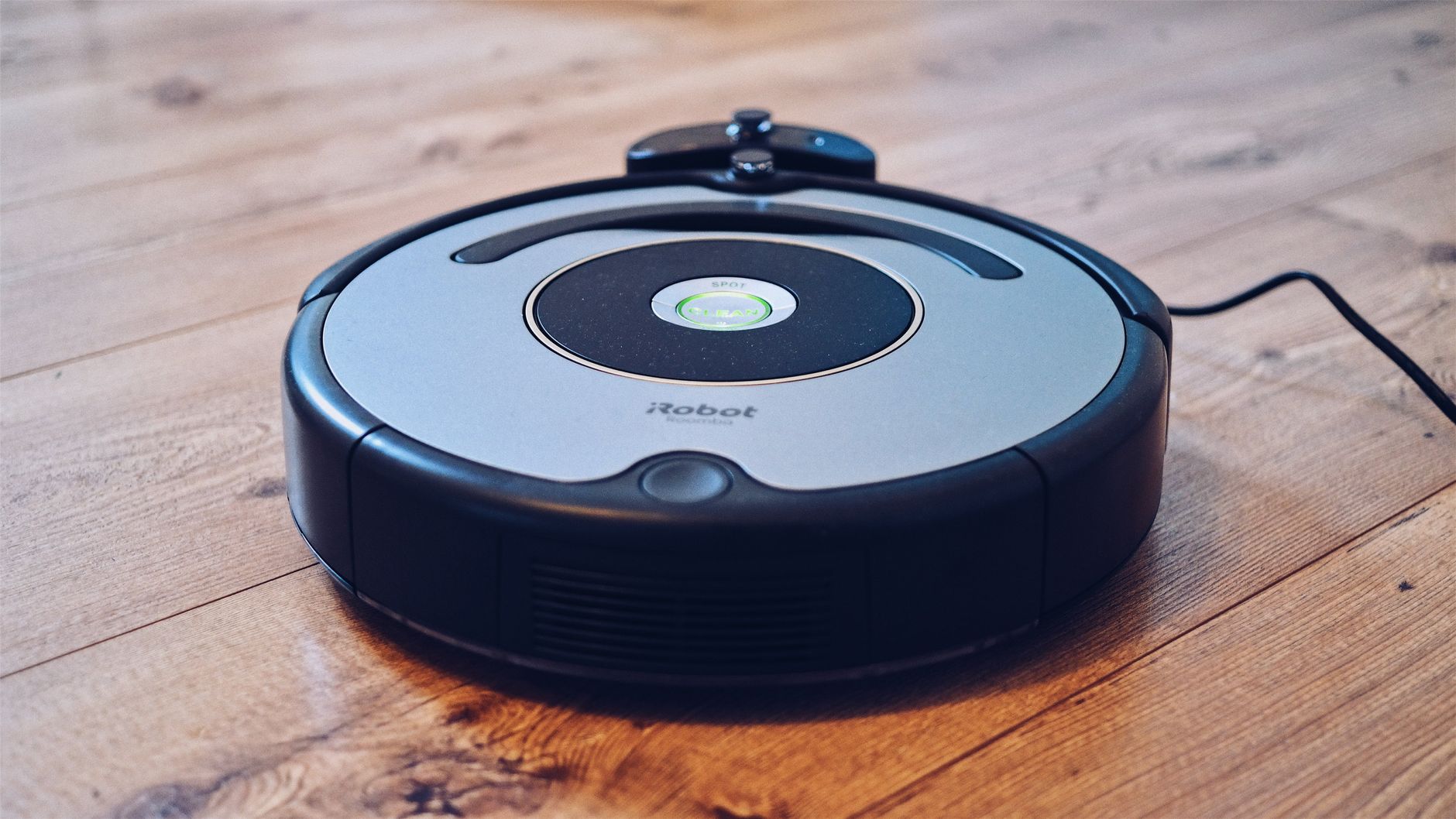
I bought the cheapest Roomba I could find — a refurbished 600 series for $150. It bounced off walls like a confused beetle, missed half the kitchen floor, and got stuck under the same chair every single day. I upgraded a year later and the difference was stark. The right model felt like a housekeeper. The wrong one felt like a toy.
iRobot makes too many models with confusing number schemes. Here is the real breakdown — not by model number, but by what actually matters: navigation, suction, and whether you want to touch it or ignore it.
The Tiers That Actually Matter
Budget Bouncers: 600 Series ($180-250)
These use random navigation — they drive until they hit something, turn, repeat. They clean, but not efficiently. A 600 series might spend an hour cleaning a room that a smarter robot does in 20 minutes. The suction is basic. No mapping, no scheduling by room, no self-emptying.
Who should buy: Someone who wants to try a robot vacuum for the first time and has a small, mostly open space with hard floors. Do not buy for carpeted homes or multi-room setups.
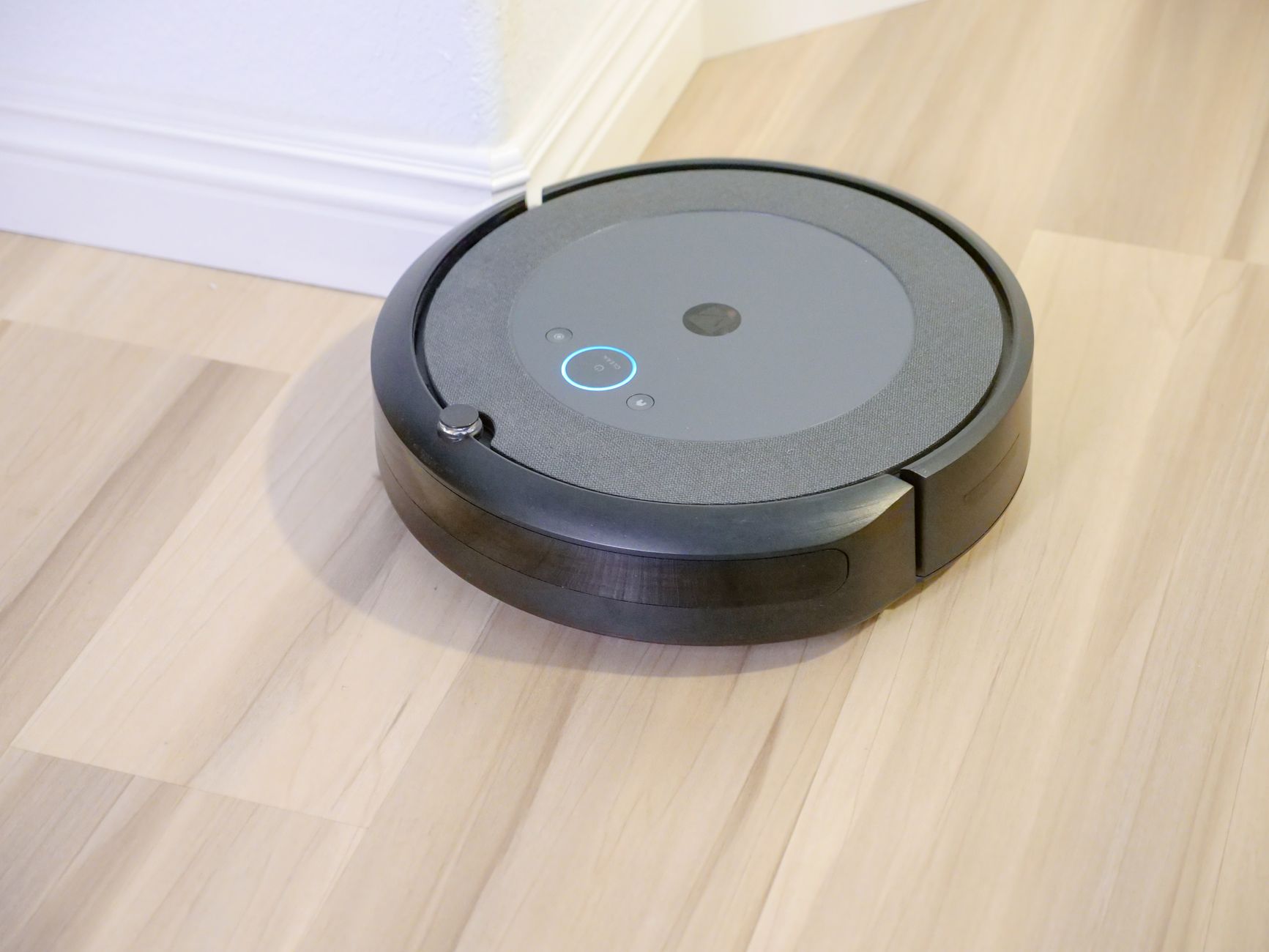
Smart Navigators: iSeries and jSeries ($350-600)
These use camera-based mapping — they learn your floor plan, clean in neat rows, and let you send them to specific rooms from your phone. The j7 adds obstacle avoidance that recognizes and avoids pet waste, cords, and socks. This is the feature that separates “I trust this thing to run while I am gone” from “I have to Roomba-proof my house before every run.”
Who should buy: Most people. Good navigation fundamentally changes the experience from frustration to automation. The j7 is the value sweet spot — mapping and obstacle avoidance without the self-emptying premium.
Set-and-Forget: Combo and s9+ ($600-1,000+)
These add self-emptying bases — the robot dumps its own dustbin into a bag you replace every 60 days. The s9+ has the strongest suction in the lineup and a D-shape design that reaches corners better than round robots. The Combo j9+ adds mopping with a retractable mop pad that lifts when it detects carpet.
Who should buy: Homes with pets, carpet, or anyone who wants to interact with their vacuum as little as possible. The self-emptying base is not a luxury — it is the difference between “I ran the Roomba” and “I ran the Roomba, then emptied the bin, then cleaned the filter.”
Which One to Buy
- First robot vacuum, small apartment: j7 (mapping + obstacle avoidance, no self-empty). Worth the extra $150 over a 600 series.
- Pet hair, carpet, want to forget it exists: j7+ or j9+ with self-emptying base.
- Best cleaning performance regardless of price: s9+.
- Skip entirely: 600 series for anything beyond a dorm room or small office.
The $150 refurbished Roomba taught me that a badly-navigating robot vacuum is more work than a stick vacuum. My j7 runs three times a week while I am at work. I empty the base once a month. That is the whole interaction.
📋 Quick Summary: Skip the 600 series — random navigation wastes time. The j7 is the value pick with smart mapping and obstacle avoidance. Add self-emptying (j7+ or j9+) if you have pets or carpet. s9+ has the best suction and corner cleaning.