Paint a Room Like a Pro — Skip the Tape, Use This Instead
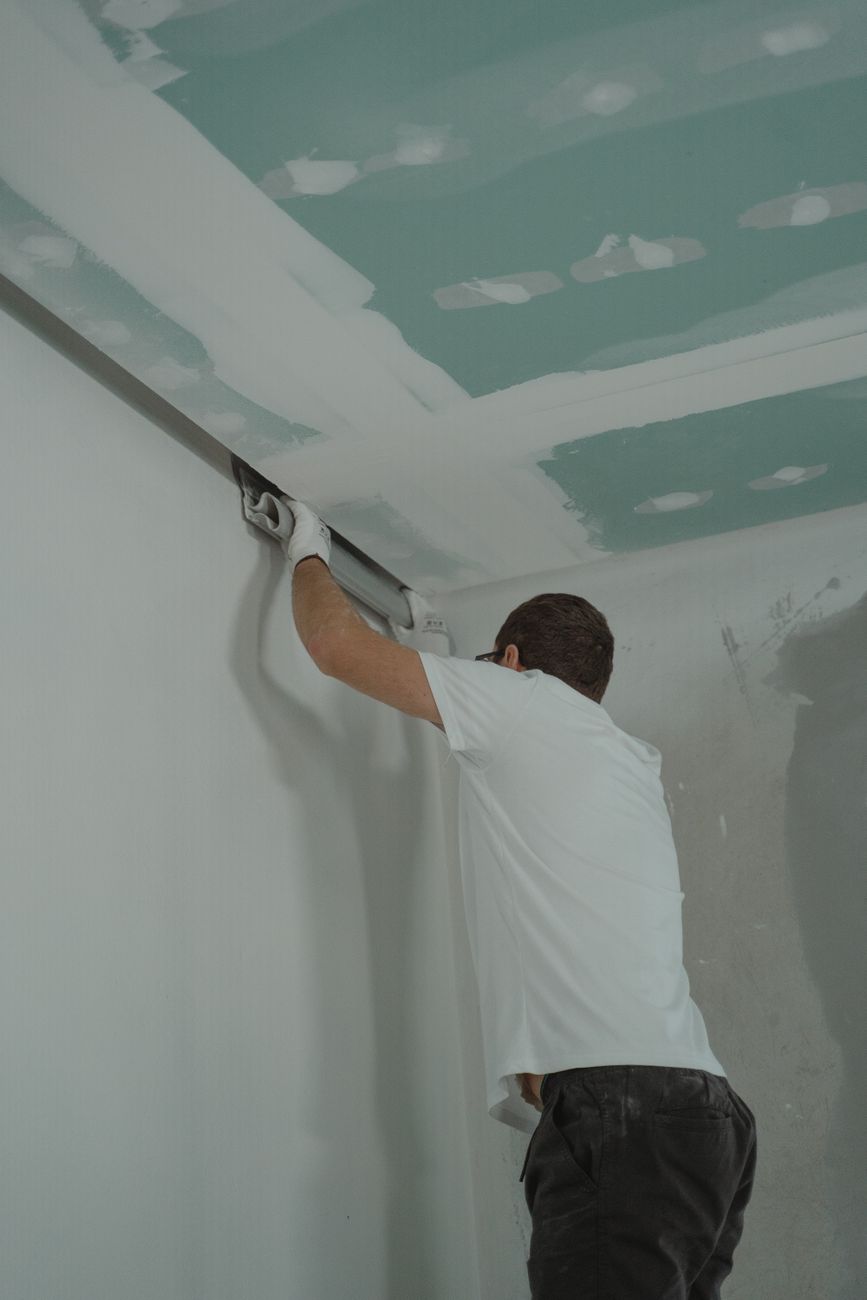
Painter’s tape and I have a toxic relationship. I spend an hour taping every edge perfectly, then pull it off to find paint bled through anyway. The line is wavy. I have to touch it up with a tiny brush, hunched over like a jeweler repairing a watch. Madness.
Then I watched a professional painter work. He used zero tape. His edges were razor sharp. I asked him how and he showed me in five minutes. I have painted four rooms since then and never bought another roll of tape.
The cutting-in technique
“Cutting in” is painting a straight line where the wall meets the ceiling or trim — no tape, just brush control. Use a two-and-a-half-inch angled sash brush. The angled bristles act like a built-in guide. Dip the brush about one-third of the way into the paint — no deeper. Tap it against the inside of the can to remove excess. Overloaded brushes drip and make wobbly lines.
Hold the brush like a pencil, near the ferrule (the metal band). Start about half an inch below the ceiling line. Paint a short horizontal stroke, then gently push the bristles up until they just touch the corner. The bristles fan out and create the straight edge for you. Pull the brush along the ceiling line in one smooth motion, about twelve inches at a time. Reload and repeat.
First time I tried this, my line wobbled. Second wall was better. By the fourth wall, I had it. It is a motor skill — your hand learns it faster than you expect. Practice on a closet or a small bathroom first if you are nervous.
Prep beats everything
The pro spent forty minutes prepping and two hours painting. I used to spend five minutes prepping and five hours painting — then touching up for days. Fill nail holes with spackle, sand smooth, wipe walls with a damp cloth. Dust, cobwebs, and grease will ruin your paint adhesion. A clean wall holds paint. A dirty wall peels.
Drop cloths. Canvas ones, not plastic. Plastic drop cloths are slippery and paint splatters bead up on them, then you step in the paint bead and track it through the house. Canvas absorbs the splatter and stays put underfoot.
The W technique for rolling
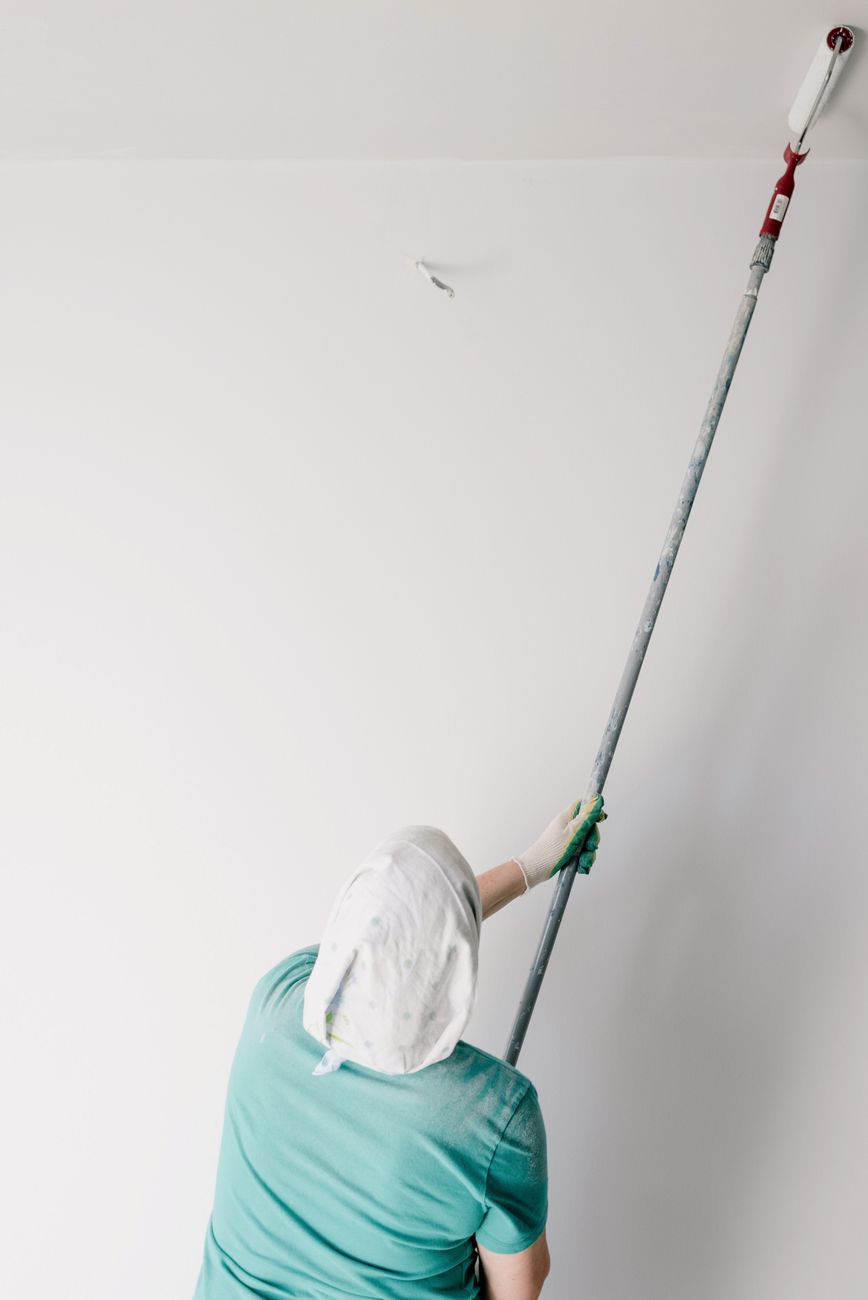
Roll a W shape on the wall — about three feet wide — then fill it in with horizontal strokes. This distributes paint evenly and avoids the “picture frame” effect where edges are thicker than the middle. Keep the roller loaded but not dripping. Roll until you hear a sticky sound — that means the roller is running dry and you are pulling paint off the wall instead of putting it on.
📋 Quick Summary: Skip the tape, learn to cut in with an angled brush. Clean walls thoroughly, use canvas drop cloths, roll in a W pattern. One room takes about three hours including prep and cleanup.