Better Sleep in One Week — Six Changes That Actually Worked
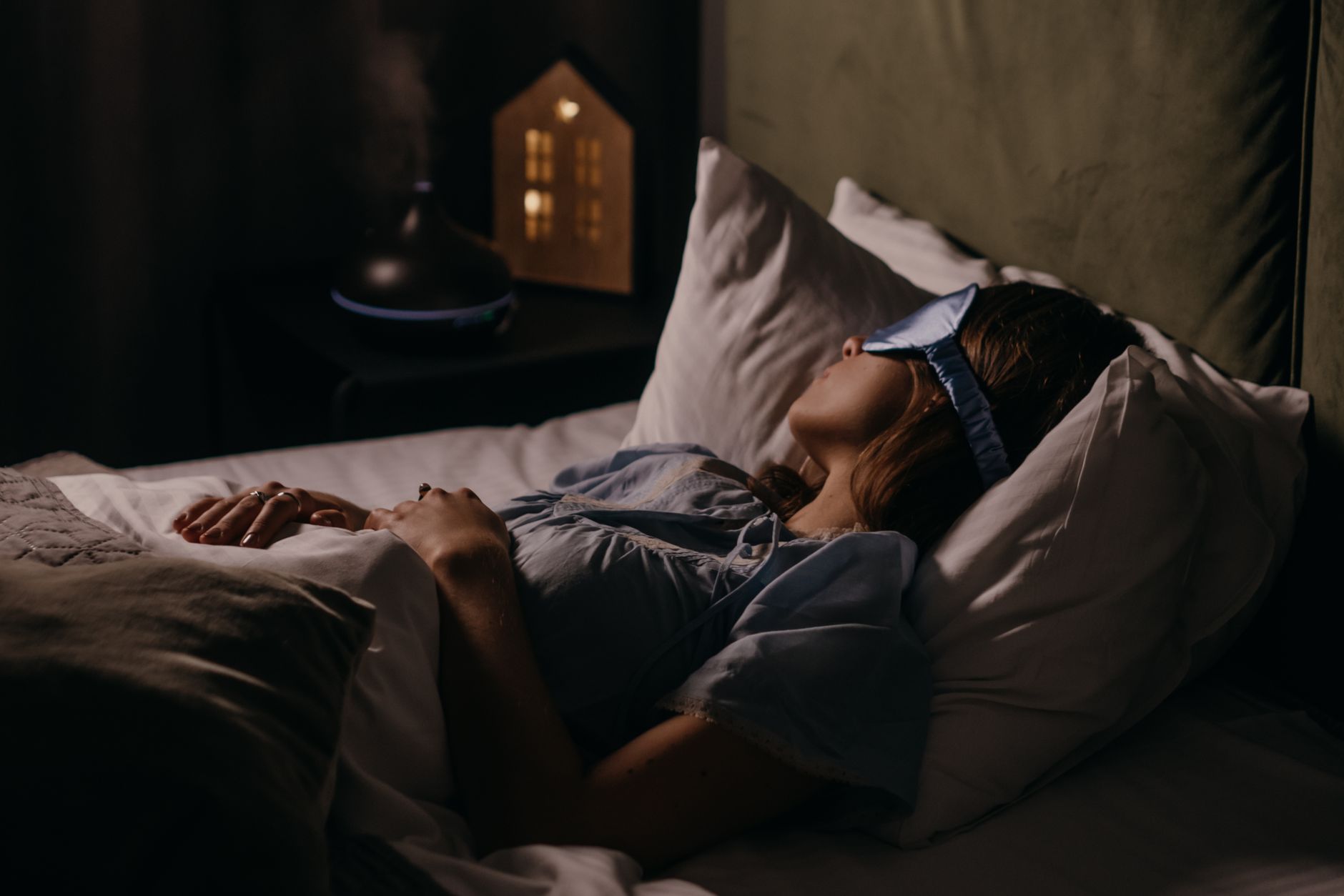
I used to think I was just “not a morning person.” Turns out I was a “chronically sleep-deprived person who stared at a phone until midnight and wondered why I felt terrible at 7 AM.” Subtle difference.
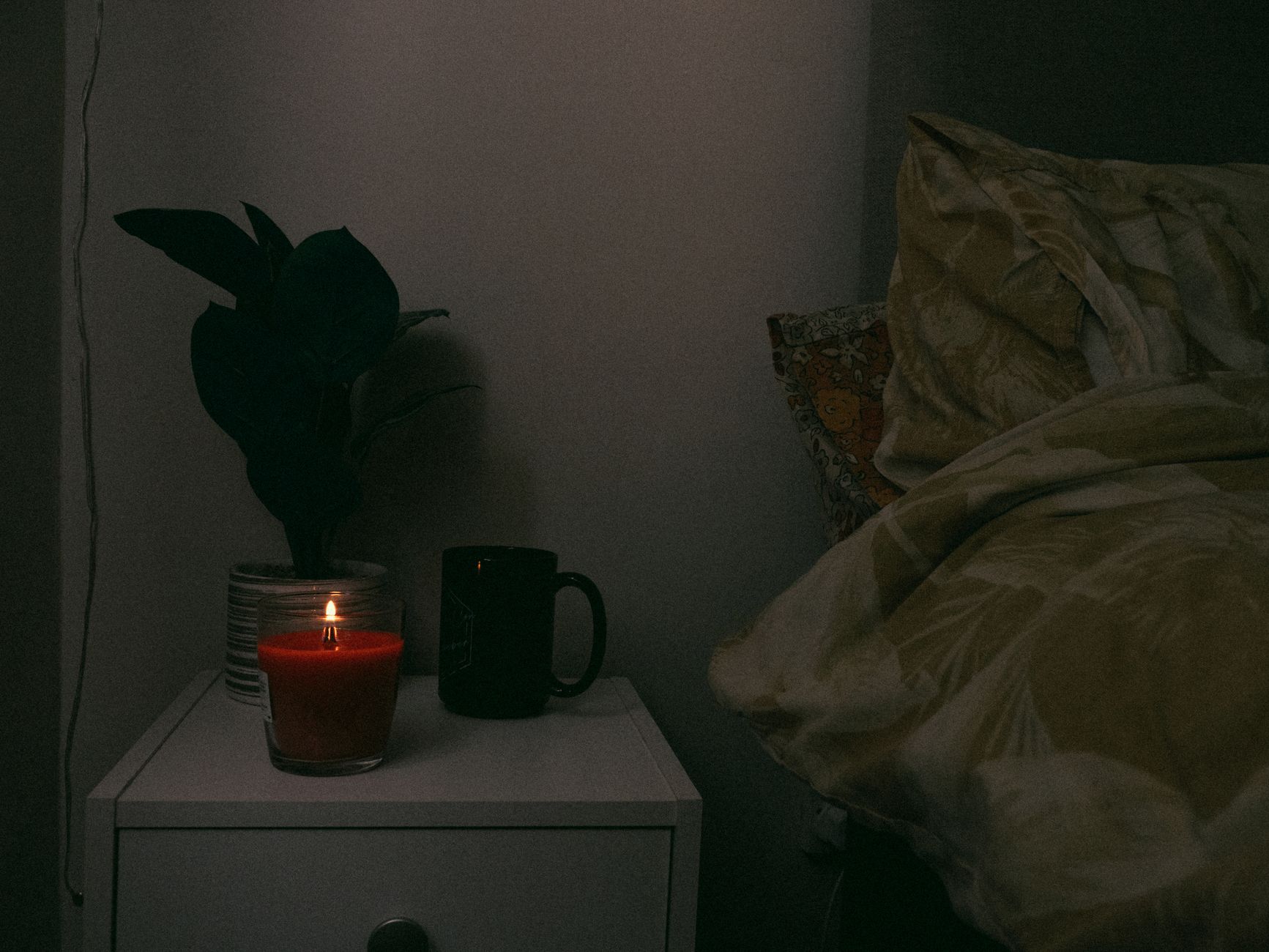
For years I tried the usual advice: go to bed earlier, drink less coffee, count sheep. None of it stuck. Then I tried six specific changes — none of them involving willpower at bedtime — and within a week I was falling asleep faster and waking up without feeling like I had been hit by a truck.
Stop looking at screens after 9 PM
This was the hardest one and the most effective. Phone screens emit blue light that suppresses melatonin production. Your brain thinks it is still daytime. I moved my phone charger to the other side of the bedroom and put a book on the nightstand. First three nights I hated it. Night four I fell asleep before ten for the first time in years.
If you absolutely must look at a screen, use the blue light filter built into every modern phone — Night Shift on iPhone, Night Light on Android. It helps, but it is not as good as no screen at all.
Cool the room down
Your body temperature naturally drops when you fall asleep. A room that is too warm fights that process. The sweet spot is sixty-five to sixty-eight degrees Fahrenheit. I dropped the thermostat from seventy-two to sixty-seven and it made a noticeable difference in how fast I fell asleep. If you do not have AC, a fan pointed away from the bed circulates air without creating a cold draft on your face.
Same wake-up time every day — weekends included
I used to sleep in on weekends until nine or ten, then wonder why Sunday night I could not fall asleep. Your body has a circadian rhythm that runs on consistency. Waking up at the same time every day anchors that rhythm. After two weeks of 6:45 AM every day, I started waking up naturally about five minutes before the alarm. That had literally never happened before.
Coffee cutoff at 2 PM
Caffeine has a half-life of about five hours. A 2 PM coffee means half the caffeine is still in your system at 7 PM, and a quarter is still there at midnight. I moved my last coffee to noon and my sleep quality improved measurably. I did not even notice the afternoon energy dip after a few days — my body adjusted.
📋 Quick Summary: No screens after 9 PM, room at 65-68 degrees, same wake-up time seven days a week, no caffeine after 2 PM. These four changes improved my sleep more than any supplement or sleep tracker ever did.