Keep Your House Cool This Summer Without Cranking the AC
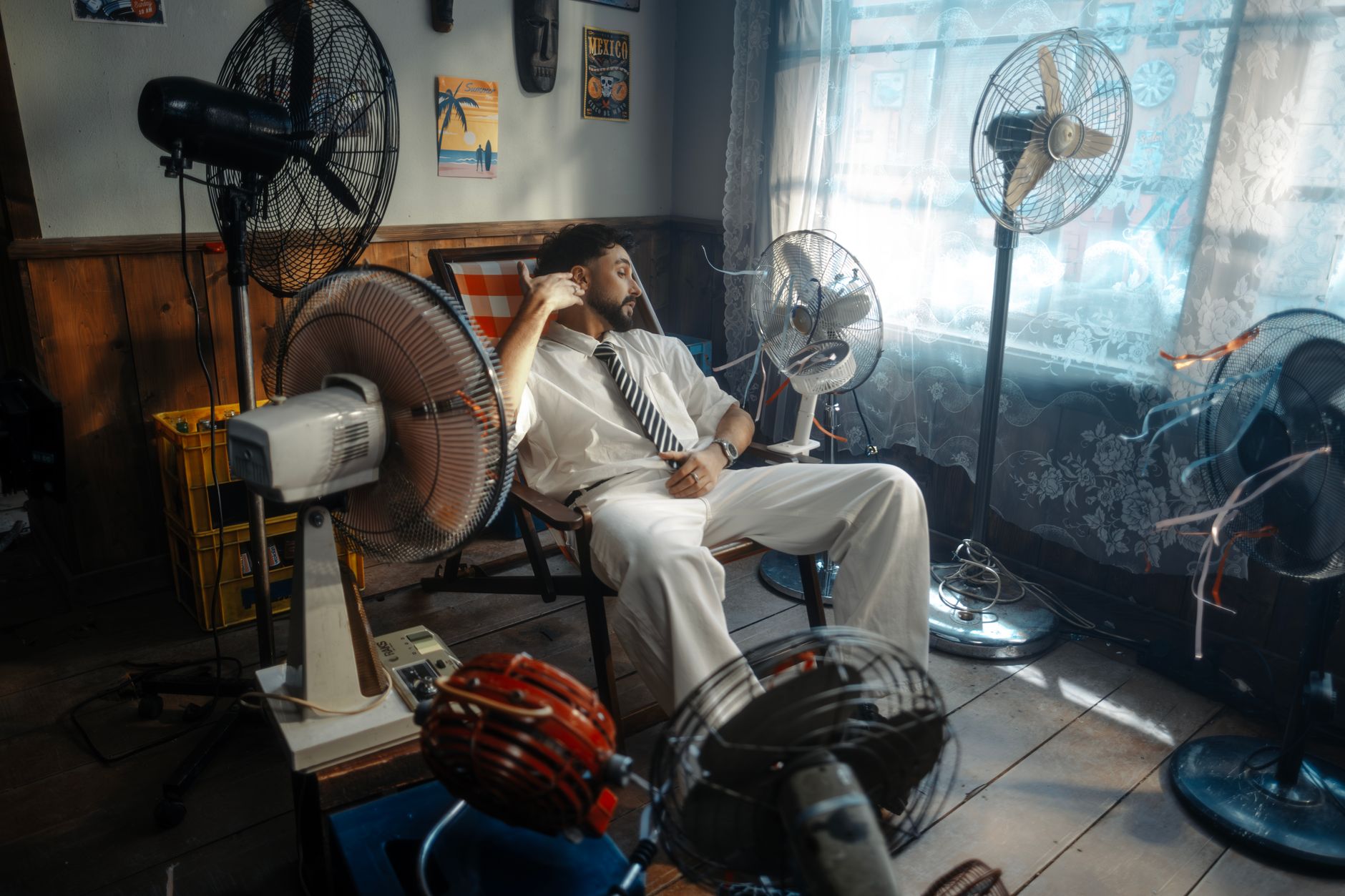
August in Texas. My AC ran fourteen hours a day and my electricity bill looked like a car payment. Two hundred and thirty dollars. For one month. For a twelve-hundred-square-foot house. Something had to change.
I tried five changes the following summer. The AC ran eight hours a day instead of fourteen. My bill dropped by almost forty percent. None of these changes cost more than twenty dollars.
Manage your windows like a hawk
Open windows at night when the temperature drops below seventy. Close them by 8 AM — before the sun has a chance to heat up the house. This is the single highest-impact move. A house full of sixty-five-degree night air stays cool until early afternoon. If you leave windows open past mid-morning, you are undoing all that free cooling.
I set a phone alarm for 7:30 AM. Walk around, close every window, draw every blind. Two minutes of effort that saves hours of AC runtime.
Blinds are your first line of defense
South-facing windows are the enemy in summer. Direct sun hits them all day. Light-colored blinds or curtains reflect heat back outside. Dark curtains absorb it and re-radiate it into the room. If you have dark curtains on south windows, swap them for white or beige — or add a white liner — and you will feel the difference within an hour.
For windows where you cannot install blinds, static-cling reflective film costs about fifteen dollars per window and blocks up to seventy percent of solar heat. It takes ten minutes to apply with soapy water and a squeegee. No permanent installation, pulls off clean when you move out.
Ceiling fan direction actually matters
I ran my ceiling fans for years without knowing there was a switch on the motor housing. Summer mode: counterclockwise. This pushes air straight down, creating a wind-chill effect that makes you feel four degrees cooler. Winter mode: clockwise, low speed, pulls cool air up and pushes warm air down from the ceiling.
The switch is tiny — look for a small toggle on the side of the motor housing. Flip it when seasons change. It takes seconds and costs nothing.
Cook outside or use small appliances
Using the oven in summer is like turning on a second heater. I started grilling outside or using the Instant Pot and air fryer during heat waves. An oven adds about three to five degrees to your kitchen. A slow cooker on the counter adds almost nothing. Small change, noticeable difference by dinner time.
Seal the leaks
Check the weather stripping on your doors. Hold a candle near the door frame on a windy day — if the flame flickers, you have a leak. Foam weather stripping costs five dollars and takes ten minutes to install. Gaps around window AC units are another big one — foam insulation panels cut to size block hot air from sneaking in around the unit.
📋 Quick Summary: Open windows at night, close by 8 AM. Light-colored blinds on south windows. Ceiling fans counterclockwise in summer. Cook outside or use small appliances. Seal door and window gaps with five-dollar weather stripping.