Smart Lights That Actually Save You Money on Electricity
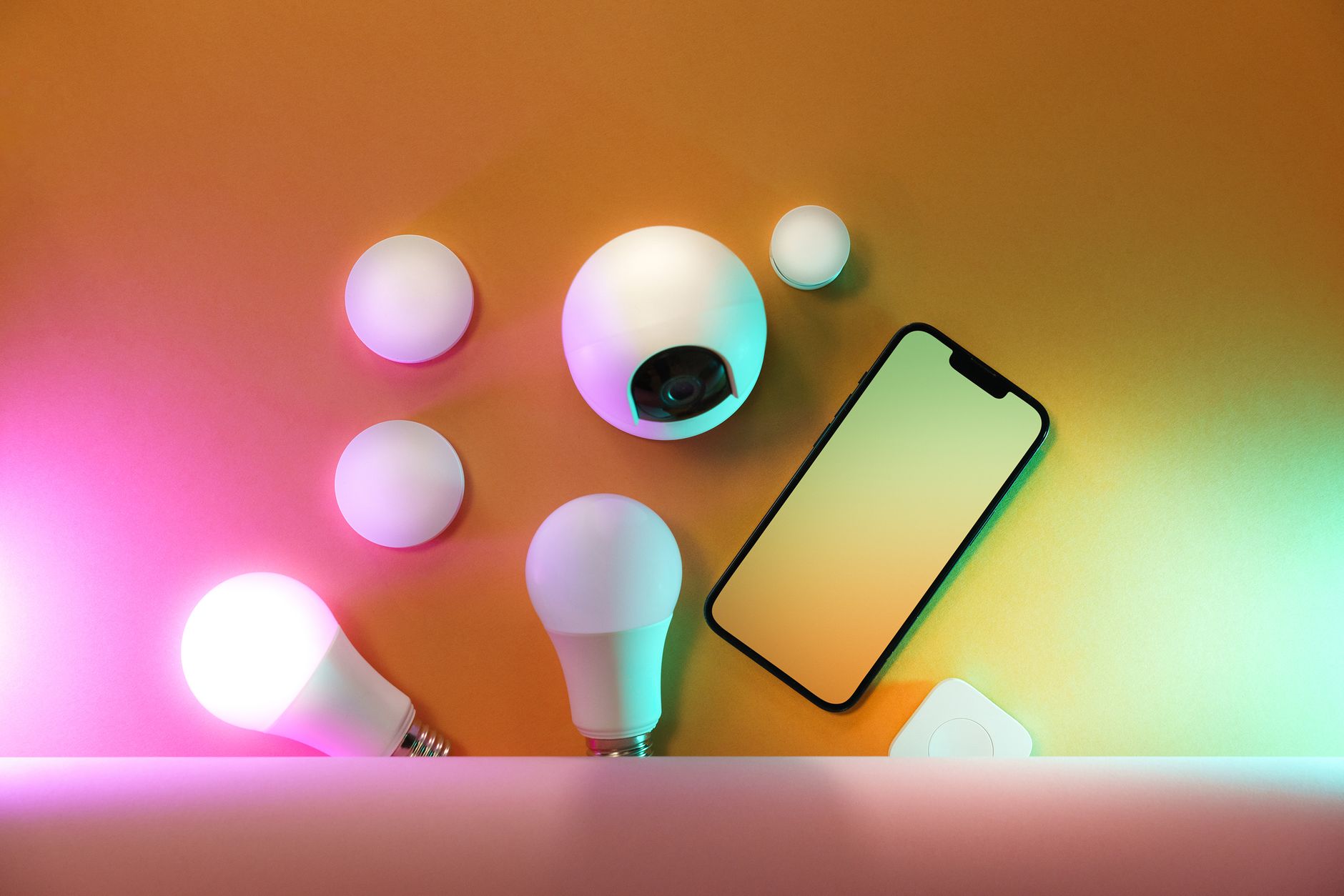
I bought smart bulbs because I wanted to turn my living room purple for movie night. That was the entire reason. I did not buy them to save money. But after six months I checked my electricity bill and it was down about ten dollars a month — not a fortune, but enough that the bulbs had paid for themselves. I got curious about why.
Smart bulbs do not save money because they are LED — regular LED bulbs are also cheap to run. They save money because they turn themselves off when you forget. Here is where the savings actually come from.
The Obvious One: Auto-Off
Every light in my house now turns off automatically at midnight. Porch light at sunrise. Basement light after fifteen minutes of no motion. I have not walked into a room and found a light on that I left on three hours ago in two years.
How much this saves depends on how bad you are at turning off lights. If you have kids, probably a lot. If you live alone and are disciplined, probably less. But even a single 60-watt-equivalent LED bulb left on unnecessarily for four hours a day costs about a dollar a month. Five bulbs, five dollars a month, sixty dollars a year. It adds up.
The Less Obvious One: Dimming
An LED bulb dimmed to fifty percent uses roughly half the electricity — not exactly half because of driver efficiency, but close. Most rooms are overlit. You do not need full brightness at 9 PM when you are winding down. Set your bulbs to fifty percent after 8 PM and you cut evening lighting costs in half without noticing the difference.
I also set bathroom lights to twenty percent between midnight and 6 AM. If someone gets up in the middle of the night, they are not blinded by full daylight-spectrum brightness. Their eyes and the electric meter both thank me.
Motion Sensors for Forgotten Rooms
The biggest savings in my house came from putting a motion sensor in the laundry room, the garage, and the basement — rooms you enter briefly and often forget to turn off. The light turns on when you walk in and off two minutes after you leave. Before this, I would find the basement light on hours after I had been down there. That one bulb alone was probably costing me three dollars a month.
Motion sensors cost about twenty dollars each. If they save three dollars a month in electricity, they pay for themselves in seven months. Everything after that is profit.
What Actually Costs vs What Does Not
LED bulbs are so efficient that leaving one on for an entire day costs about two cents. The real savings come from automating the forgetful moments — the lights you do not realize are still on. Smart bulbs are not a massive money hack. They are a slow, steady, set-and-forget savings that mostly comes from being slightly less wasteful every day.
My bulbs paid for themselves in about two years. Not a get-rich-quick scheme. But I also have not touched a light switch at home in two years, which feels like living in the future. And purple movie night is still great.
📋 Quick Summary: Auto-off schedules prevent forgotten lights. Dimming saves ~50% electricity. Motion sensors in laundry rooms and basements pay for themselves in months. Smart bulbs are not a windfall but they quietly save $5-$15/month.