Dehumidifiers for Basements and Damp Rooms
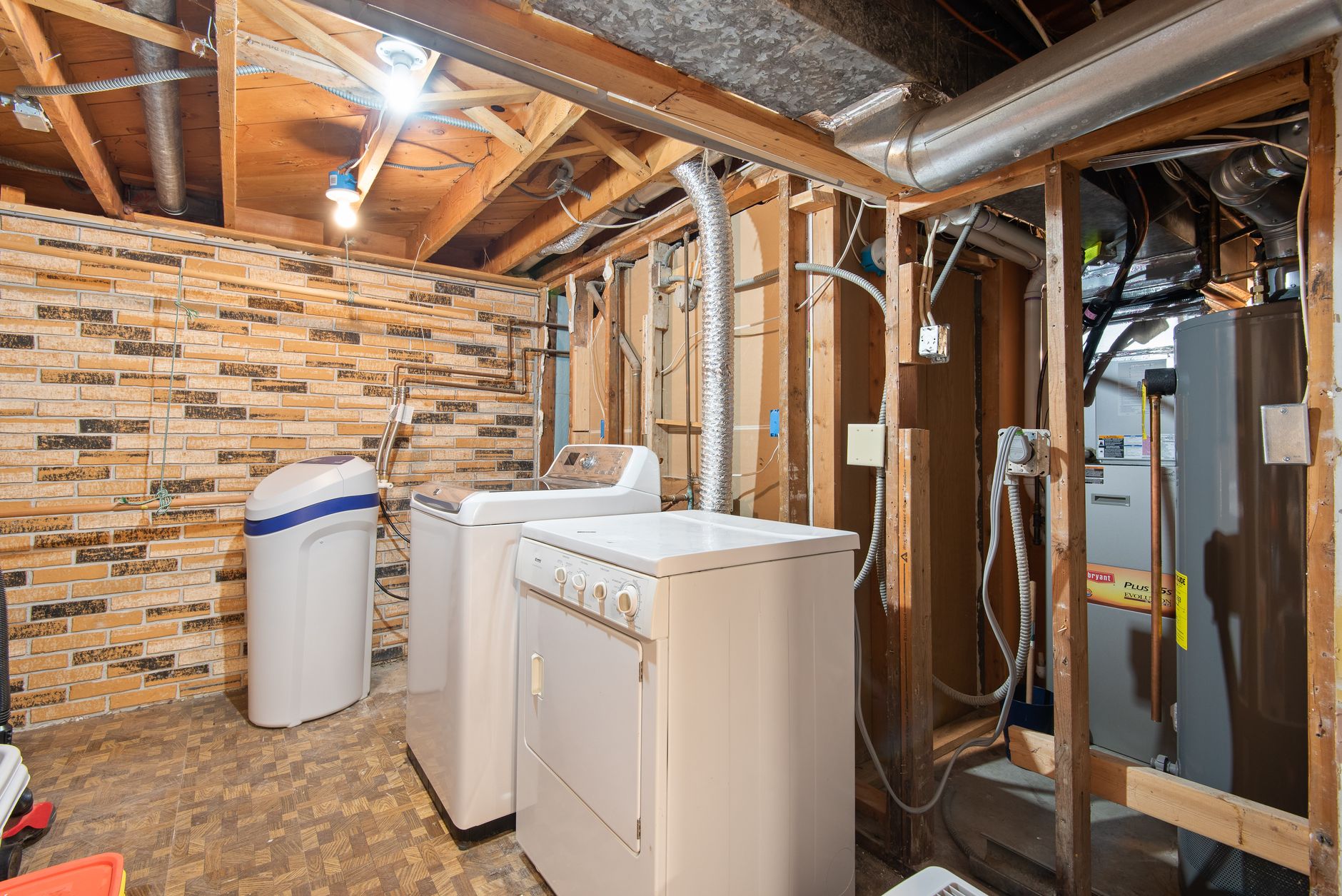
My basement smelled like a wet towel that had been sitting in a gym bag for a week. I hung DampRid bags from the rafters, ran a box fan pointed at the wall, even tried those little moisture-absorbing crystals that turn into gel. Nothing worked until I bought an actual dehumidifier.
A good dehumidifier pulls gallons of water out of the air every day. The difference is not just smell — it is preventing mold, protecting stored items, and making the space usable instead of vaguely unpleasant.
” alt=”basement dehumidifier running” style=”width:100%;height:auto;border-radius:8px”>
Size Matters — Get the Right Capacity
Dehumidifiers are rated by pints of moisture removed per day. A thirty-pint unit is enough for a moderately damp basement up to about fifteen hundred square feet. A fifty-pint unit handles very damp spaces or larger basements. The small twenty-pint units are best for a single damp room — a bathroom without a fan, a laundry room.
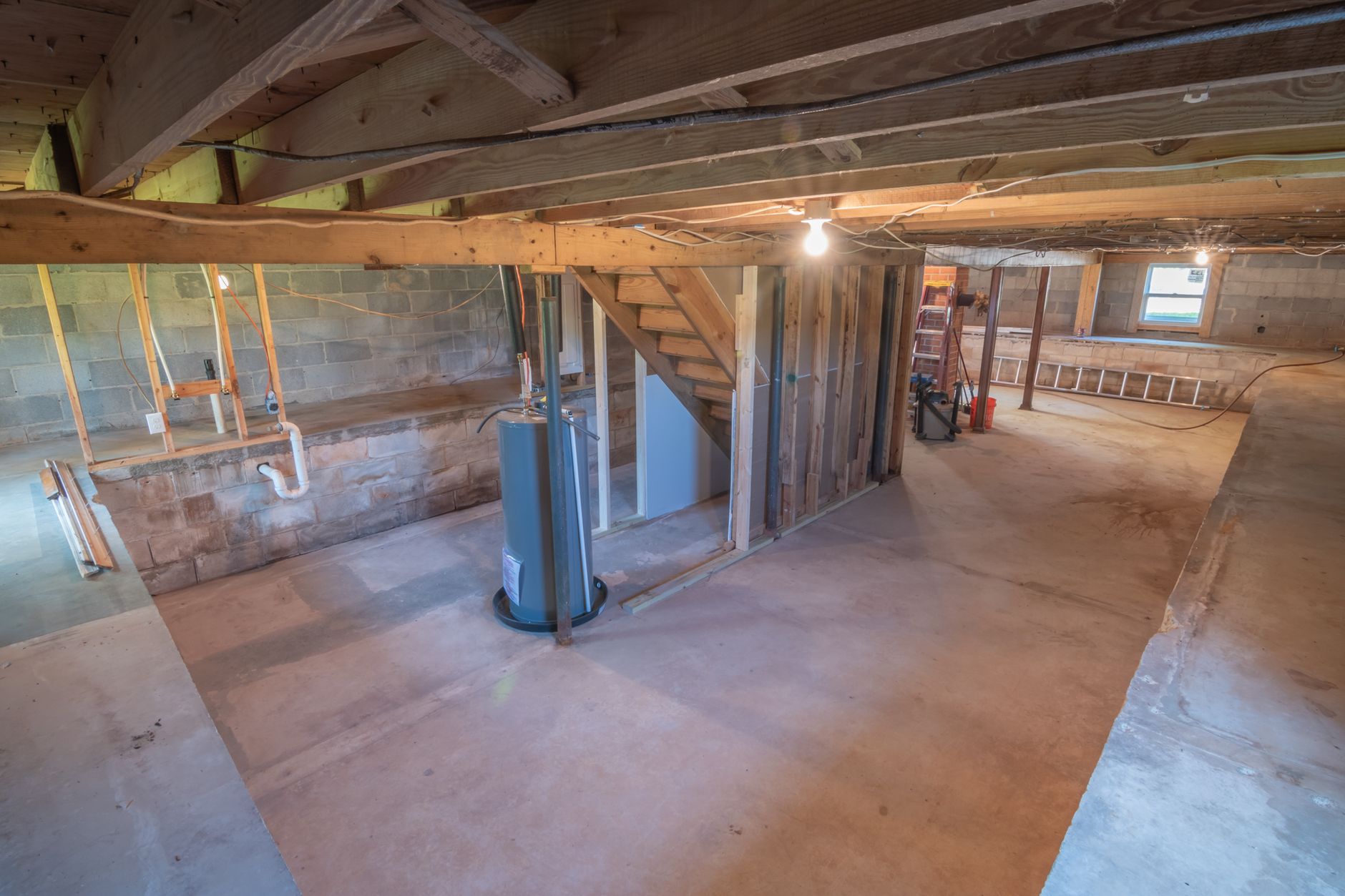
I bought a thirty-pint unit for a pretty damp eight-hundred-square-foot basement. It fills its tank in about eight hours in summer. I would go fifty-pint if I were buying again — the thirty-pint works but runs constantly during humid months.
Continuous Drain Is Worth the Setup
Every dehumidifier has a collection bucket you can empty by hand. Do that twice a day for a week and you will understand why the continuous drain feature matters. A hose connects to a threaded port on the back and drains into a floor drain, sump pump, or sink. Gravity does the work. No buckets. No forgetting and coming home to a full tank and a humid basement.
What to Look For
Built-in humidistat shuts the unit off when humidity reaches your target level — usually forty to fifty percent, which is the sweet spot between dry enough to prevent mold and not so dry that wood furniture cracks. Auto-restart after power outage means it turns back on with your settings intact if the power flickers — important for basements in storm-prone areas.
The Frigidaire FFAD series is the consistent top pick across review sites. The Midea Cube is a newer design that is quieter and more energy efficient but costs more upfront. Both work well. Both have pumps if you need to drain upward to a sink.
Quick Summary: Size by your square footage and dampness level — thirty to fifty pints for basements. Get a model with a built-in humidistat, auto-restart, and continuous drain. Frigidaire is the safe bet, Midea is the efficient newer option.