Switch Your Wardrobe From Winter to Spring the Smart Way
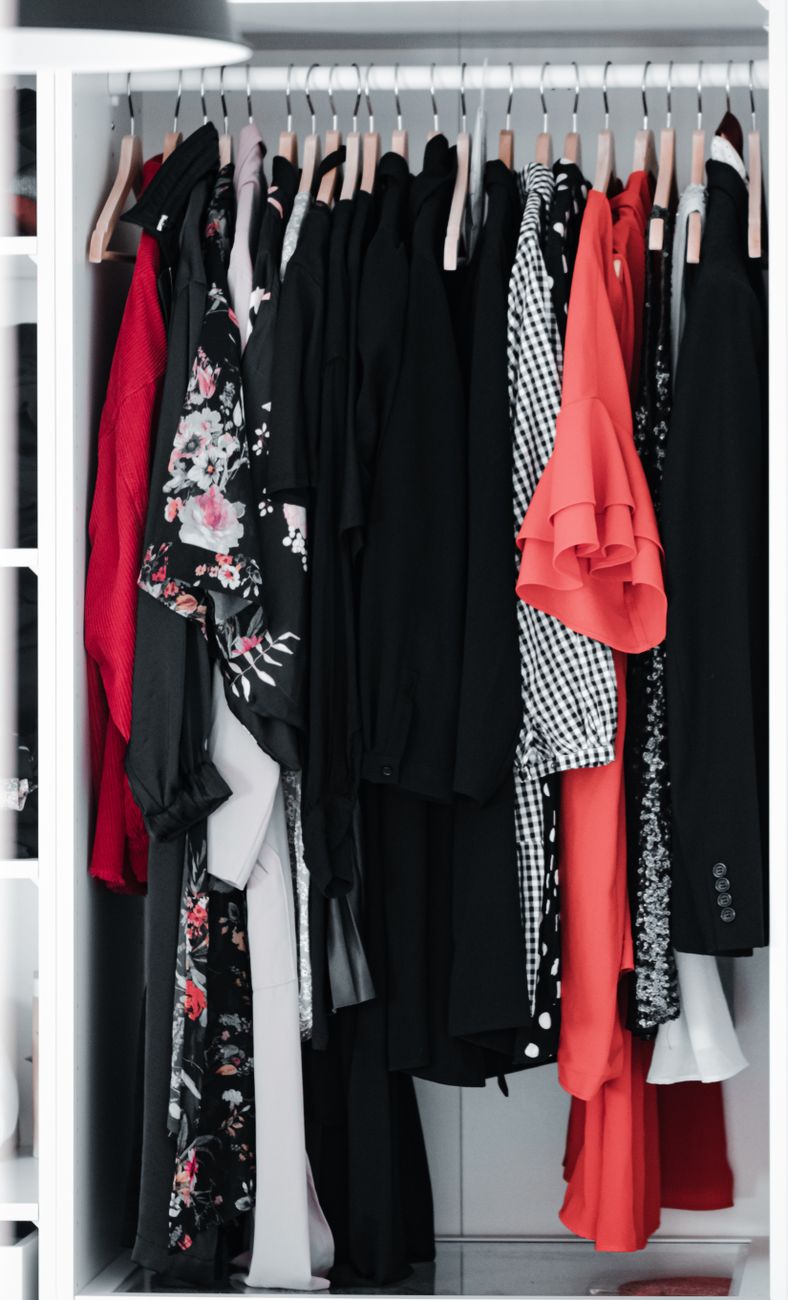
Every April I used to do the Great Closet Swap — pull out the winter coats, shove them into storage bins, drag out the summer clothes, and end up with a bedroom that looked like a clothing bomb went off. The process took an entire Saturday and I always ended up keeping things I should have donated.
This year I tried a different approach. Took two hours instead of eight and I actually know what clothes I own now.
” alt=”organized closet spring wardrobe” style=”width:100%;height:auto;border-radius:8px”>
The Hanger Flip Trick
At the start of winter, turn all your hangers backward so the hook faces you. When you wear something, put it back with the hanger facing the normal way. After three months, anything still on a backward hanger is something you have not worn all season. Those go into the donation pile. No emotion, no “but I might wear it to a wedding someday.” The hanger does not lie.

I discovered I own seven gray sweaters. Seven. They are almost identical. I kept three and donated four. I still have more gray sweaters than any person needs.
Wash Before Storing
Never store clothes that are not completely clean. Body oils, deodorant residue, and food stains oxidize over time and turn into permanent yellow marks. Moths and carpet beetles are attracted to body soil, not the fabric itself. Wash or dry clean everything before it goes into storage.
I opened a storage bin once and found a wool sweater with three moth holes in the front. It had been my favorite sweater. I had been lazy and stored it after wearing it once. That was a sixty-dollar lesson.
Clear Bins Over Cardboard
Cardboard boxes attract pests and trap moisture. Use clear plastic bins with tight-fitting lids. You can see what is inside without opening every box. Add a silica gel packet or a cedar block to each bin to absorb moisture and deter moths.
Vacuum storage bags work great for bulky items like winter coats and comforters. They compress down to a fraction of the size. Just make sure the items are completely dry first — sealing damp clothes in plastic is how you grow mold.
Quick Summary: Flip hangers backward at season start to identify unworn items, wash everything before storing, use clear plastic bins with cedar blocks, and vacuum bags for bulky winter gear. Two hours, not a full weekend.