Water Your Lawn the Right Way During a Drought (What I Learned From My Brown Summer)
My lawn went brown in July two years ago. Not “a little dry” brown — crackly, crunchy, looks-like-hay brown. My neighbor’s lawn, two houses down, stayed green the whole summer. Same climate. Same soil. Different technique.
I knocked on his door and asked what he was doing differently. Tom is in his seventies and has been maintaining the same lawn for forty years. He walked me through his whole approach. Here is what he taught me.
Water Deep, Not Often
Most people run sprinklers for fifteen minutes every day. That trains grass roots to stay shallow because water is always available at the surface. When a heat wave hits, shallow roots dry out fast and the grass dies.
Instead, water deeply once or twice a week. Put down half an inch to an inch of water per session. This pushes moisture deep into the soil and encourages roots to grow down after it. Deep roots survive drought. Shallow roots do not.
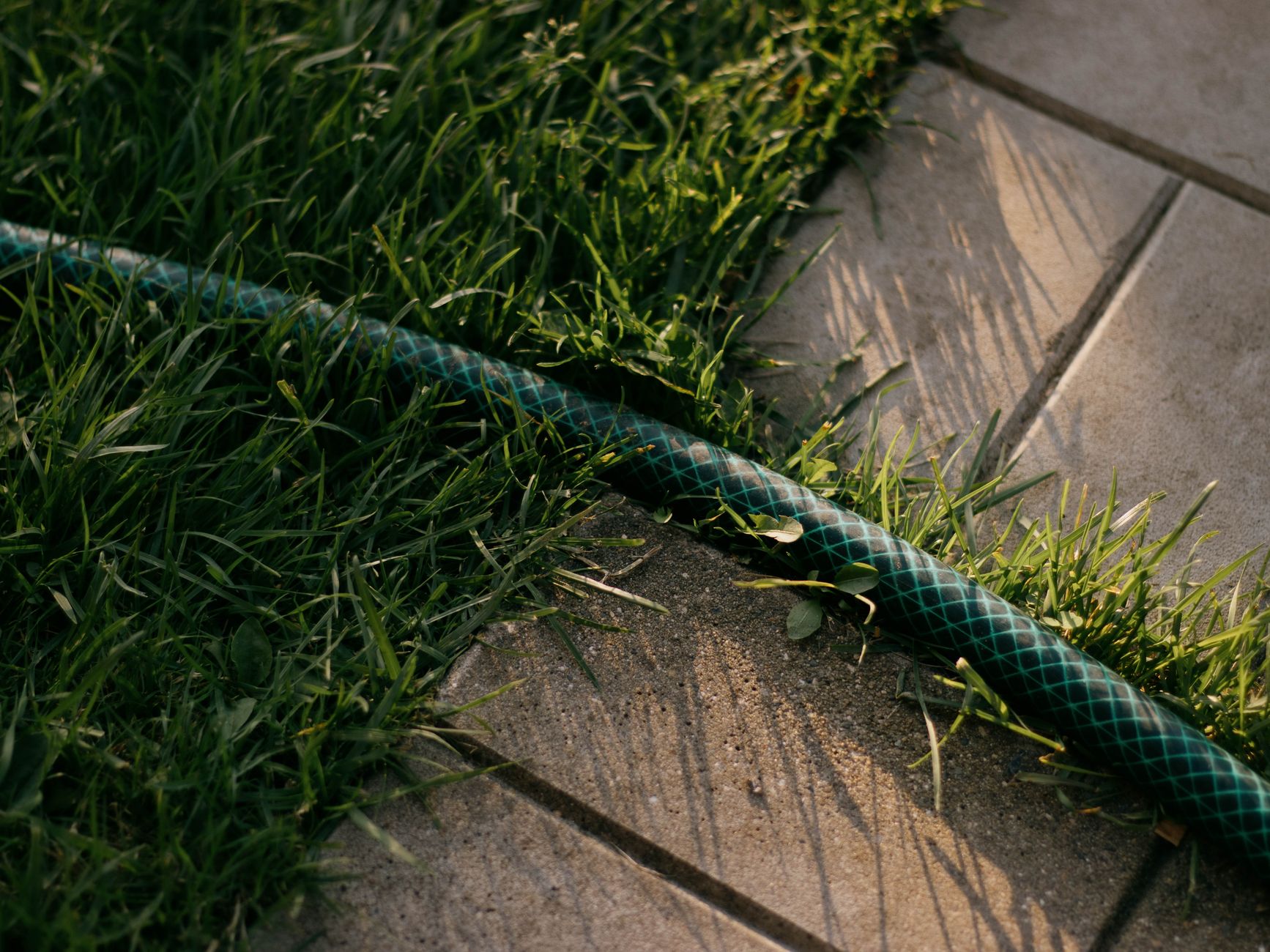
Water Before Sunrise
The best time to water is between 4 a.m. and 8 a.m. Watering in the middle of the day loses 30-40% to evaporation before it even reaches the roots. Watering at night leaves grass wet for too long and promotes fungus.
I set my sprinkler timer for 5 a.m. It took one season to adjust, but the water savings are real — my bill dropped noticeably.
The Tuna Can Test
How do you know how much water your sprinkler is actually putting down? Place an empty tuna can on the lawn while the sprinkler runs. When it fills to half an inch, you have put down enough. Different sprinkler types put down water at very different rates, so do not trust the timer alone.
Let It Go Dormant
Here is something Tom told me that I did not want to hear: lawns naturally go dormant in extreme heat. Brown does not always mean dead. If you are under water restrictions, let the lawn go brown. It will green up again when temperatures cool and rain returns. A dormant lawn is not a failed lawn — it is a lawn being sensible.
Quick Summary: Water deeply (1/2 to 1 inch) once or twice a week before sunrise to encourage deep root growth, use the tuna can test to measure output, and remember that brown grass in extreme heat is often dormant — not dead.