Extension Ladders That Do Not Feel Like Death Traps
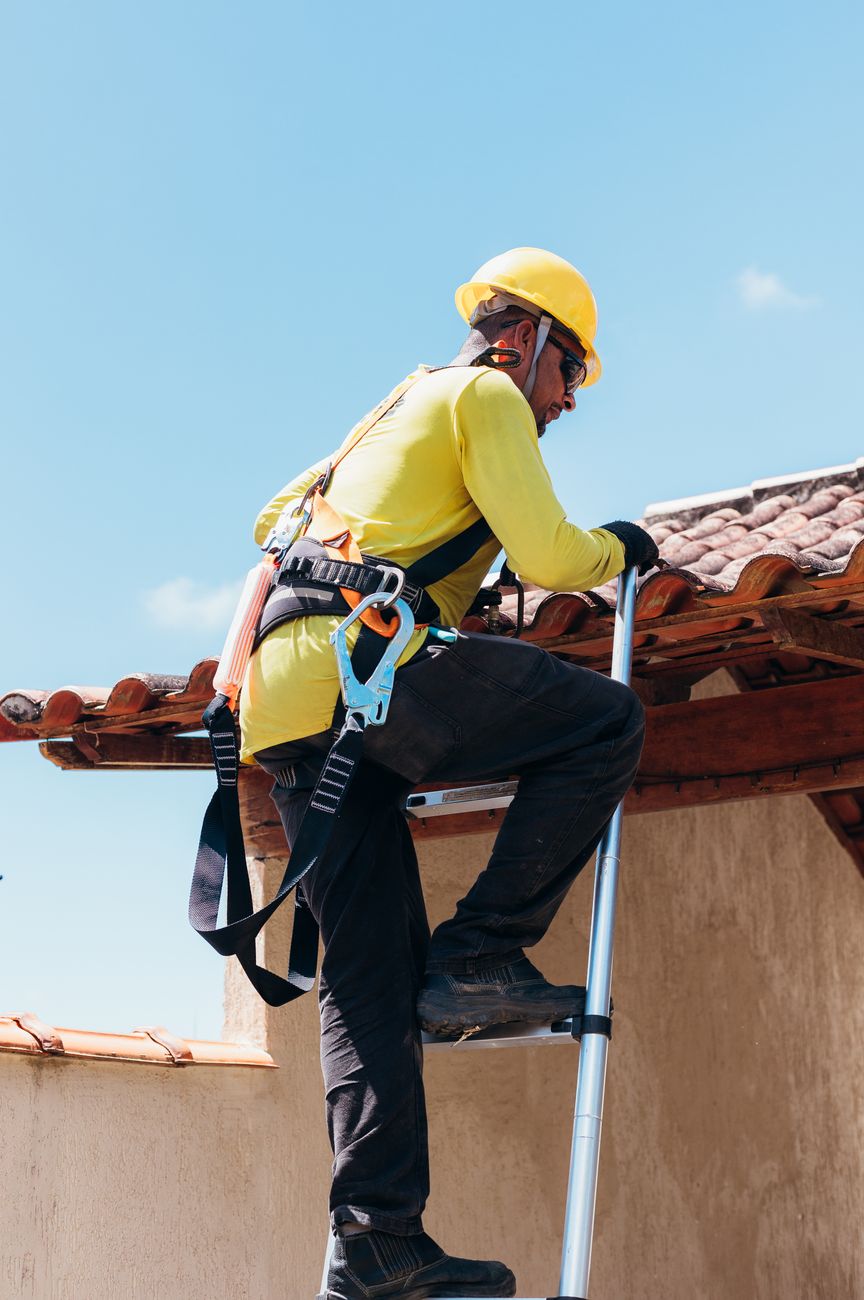
I needed to clean gutters on a two-story house. My options were: pay someone $200, buy a ladder for $100 and do it myself forever, or ignore it until the gutters detached from the house. I bought a ladder. But I spent a week researching because I did not want to fall two stories and become a cautionary tale. Here is what I found.
What Makes a Ladder Safe
It is not just about weight rating. The critical safety features are: wide rungs with grip, slip-resistant feet, a stabilizer bar at the top, and a reliable locking mechanism. Cheap ladders skimp on all of these. A ladder that flexes when you are 20 feet up is terrifying. A ladder with narrow, smooth rungs is an accident waiting to happen when your shoes are wet.
The Best Extension Ladders by Use Case
Best Overall: Werner D6228-2 ($220)
28 feet, type IA rated for 300 pounds, aluminum. The D-rungs are flat on top and serrated for grip — standing on them for an hour of gutter cleaning does not destroy your feet the way round rungs do. The rung locks are spring-loaded and actually lock — you hear and feel them click. The fly section (the part that extends) has a guide bracket that keeps it from wobbling when fully extended. This is the ladder most professionals I asked use for residential work.
Best Budget: Louisville Ladder FE3228 ($140)
Same 28-foot reach, type IA 300-pound rating, but round rungs and a simpler lock mechanism. It is fine. The locks need to be checked every time you extend it — they can look engaged when they are not. I always give the rungs a firm yank before climbing. The feet are basic rubber pads that slide on smooth concrete unless you put something grippy underneath. For occasional use — twice a year gutters and the odd roof inspection — it is adequate.
Best for Small Storage: Little Giant Velocity 22 ($240)
This is a multi-position ladder, not a pure extension ladder, but it replaces both a stepladder and an extension ladder. It folds down to 5 feet for storage — fits in a closet. Extends to 19 feet as an A-frame or 22 feet as an extension ladder. Heavier than a dedicated extension ladder (38 pounds vs 28) and more expensive, but if you have zero storage space and need an all-in-one solution, this is it.
Safety Rules That Matter
- 4-to-1 rule: For every 4 feet of height, move the base 1 foot away from the wall. A 20-foot ladder’s base should be 5 feet from the wall.
- 3 points of contact: Two hands and one foot, or two feet and one hand, always on the ladder.
- Never the top three rungs. Your belt buckle should stay below the top of the ladder.
- Level ground. If your ladder wobbles, dig out the high side or put a board under the low side. Do not stack bricks or rocks under a ladder leg.
Quick Summary: Werner D6228-2 ($220) for serious DIYers — D-rungs and solid locks. Louisville FE3228 ($140) for occasional use — fine but check the locks every time. Little Giant Velocity 22 ($240) if you have no storage space and need one ladder that does everything.