Set Work-From-Home Boundaries That Actually Stick
I worked from my couch for two years. My back hurt. I answered Slack messages at 9 p.m. because my laptop was right there, on the coffee table, glowing with unread notifications. It took a minor burnout spiral for me to admit the couch setup was not working. Here is what I changed.
Physical Separation Is the Foundation
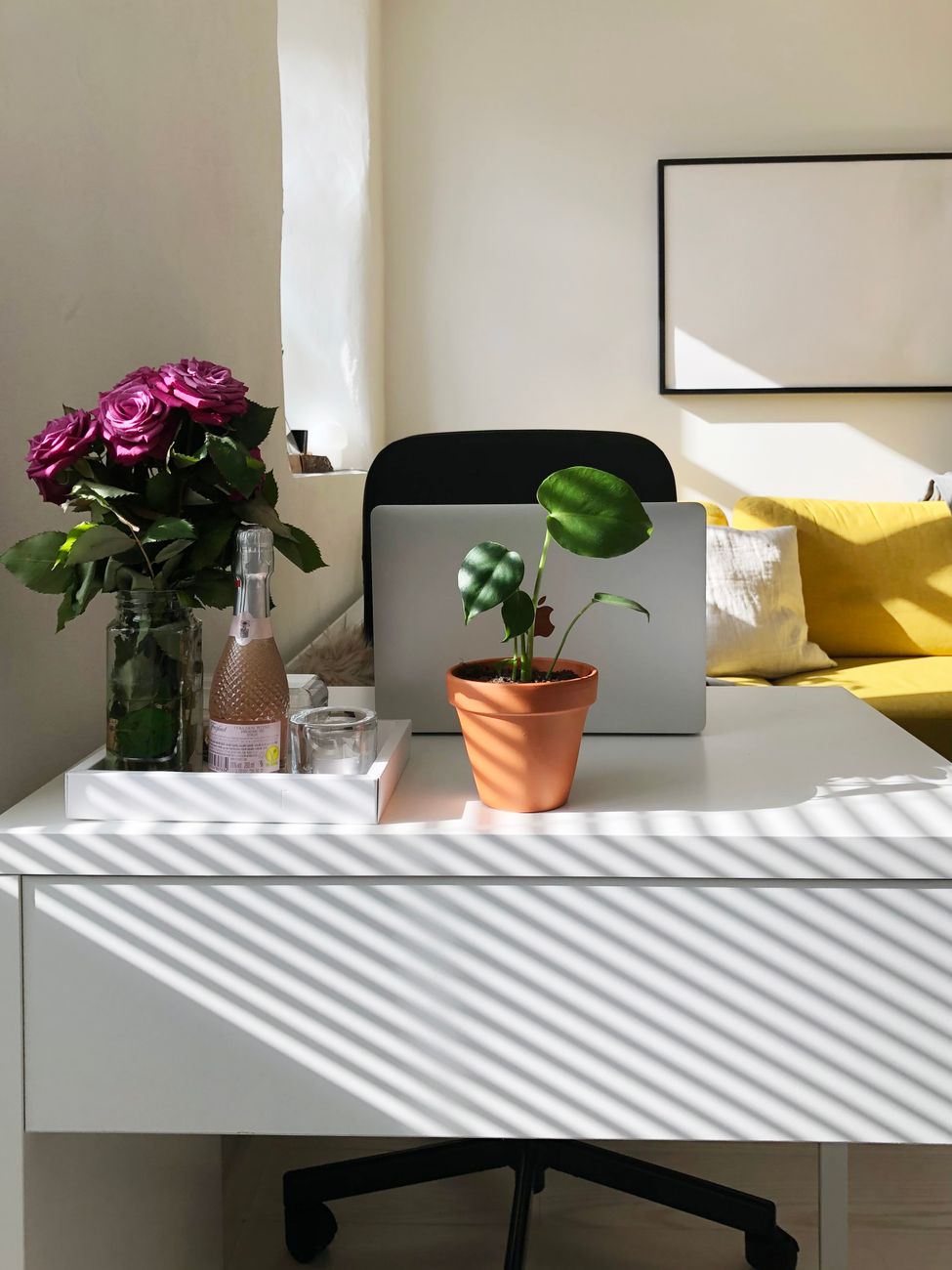
If you work and relax in the same room, your brain never switches modes. Even a small separation helps. I put a desk in the corner of my bedroom — not ideal, but it faces a wall, not my bed. When I sit at that desk, I am working. When I leave that desk, I am not. The couch is for Netflix again.

If you cannot separate rooms, separate surfaces. Work at a desk or table. Never the bed. Never the couch. The bed is for sleeping. The couch is for relaxing. Letting work invade those spaces trains your brain to associate them with stress.
The Shutdown Ritual
Commuting used to be my transition between work and home. Without it, the work day just sort of faded into evening. Now I do a five-minute shutdown: close every tab, write tomorrow’s top three tasks on a sticky note, physically close the laptop lid. Closed laptop means work is over. If I open it again, I have broken my own rule and I feel stupid about it, which is surprisingly effective.
Notifications After Hours
I turned off Slack notifications on my phone at 6 p.m. You can schedule Do Not Disturb on both iPhone and Android — set it for your off hours. People can still reach you in an emergency (they will call or text), but the constant hum of “someone reacted to your message with an emoji” stops. The world does not end. Nobody even noticed I was gone.
Quick Summary: Work at a desk, not the couch or bed. Create a shutdown ritual — close the laptop and leave it closed. Schedule Do Not Disturb on your phone after work hours. Small physical and digital boundaries add up to a real mental separation.