Store Brands vs Name Brands — When to Save and When to Splurge
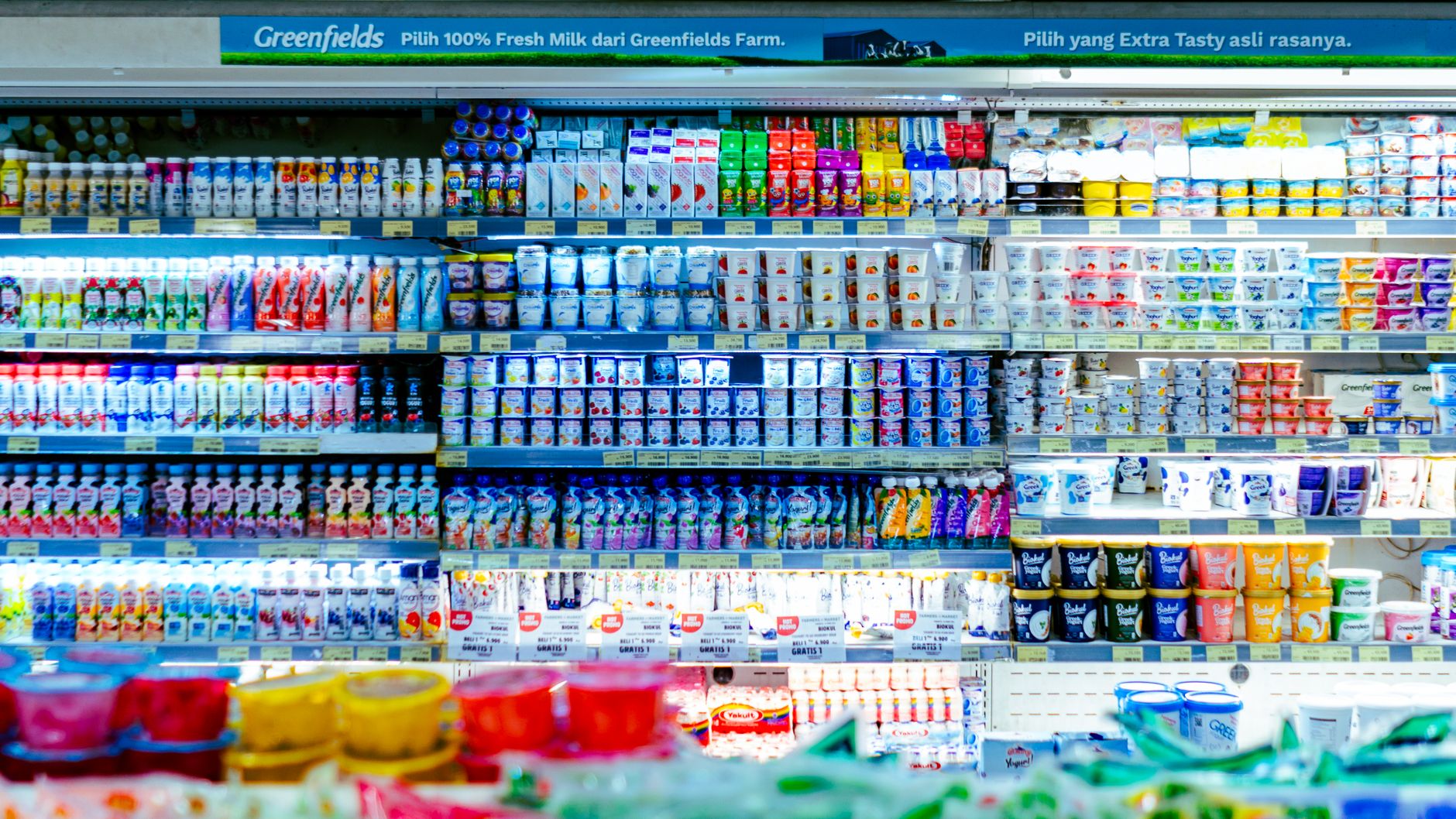
My dad refused to buy store-brand anything. Ketchup had to be Heinz. Cereal had to be Cheerios. He would pay eighty percent more for identical products because he believed — genuinely believed — that the name brand was always better quality. When I moved out and started buying my own groceries, I ran a quiet experiment: I bought store-brand versions of everything for a month and kept track of what I noticed.
The results surprised me. About seventy percent of store-brand products are indistinguishable from name brands in blind taste tests. The other thirty percent? You can tell. Here is where to save and where to spend the extra money.
Always Buy Store Brand
- Over-the-counter medicine: By law, generic ibuprofen, acetaminophen, and antihistamines must contain the exact same active ingredients in the exact same doses. The FDA mandates it. You are paying for marketing, not medicine.
- Canned goods (beans, tomatoes, vegetables): These are commodity products. The tomatoes in a generic can came from the same farms as the name-brand ones.
- Milk, butter, eggs: USDA grading standards apply regardless of brand. Grade A eggs are Grade A eggs.
- Cleaning supplies (bleach, hydrogen peroxide, rubbing alcohol): These are regulated chemicals. Generic bleach is the exact same sodium hypochlorite solution.
- Baking staples (flour, sugar, salt): Molecules do not have brand loyalty.
Worth Paying for the Name Brand
- Ketchup: Sorry, Dad was right about this one. Store-brand ketchup is consistently thinner and sweeter in a bad way. Heinz has a specific tomato variety and recipe that generic brands cannot match.
- Mayonnaise: Hellmann’s and Duke’s have distinct flavor profiles from specific oil blends. Store brands tend to be oilier with less body.
- Chocolate chips: The melting properties differ dramatically. Generic chips often have more stabilizers and do not melt as smoothly.
- Dish soap: Dawn’s surfactant formula is genuinely better at cutting grease. The generics are noticeably less effective for the same amount.
The guideline: if it is regulated, processed minimally, or a commodity, buy generic. If texture, melt, or specific flavor matters, spend the extra dollar. My grocery bill dropped about twenty percent and my food tastes exactly the same.
📋 Quick Summary: Store brand for medicine, canned goods, dairy, cleaning chemicals, baking staples. Spend on ketchup (Heinz), mayo (Hellmann’s/Duke’s), chocolate chips, and Dawn dish soap. ~20% grocery savings.