Restore Your Stainless Steel Sink to Mirror Shine
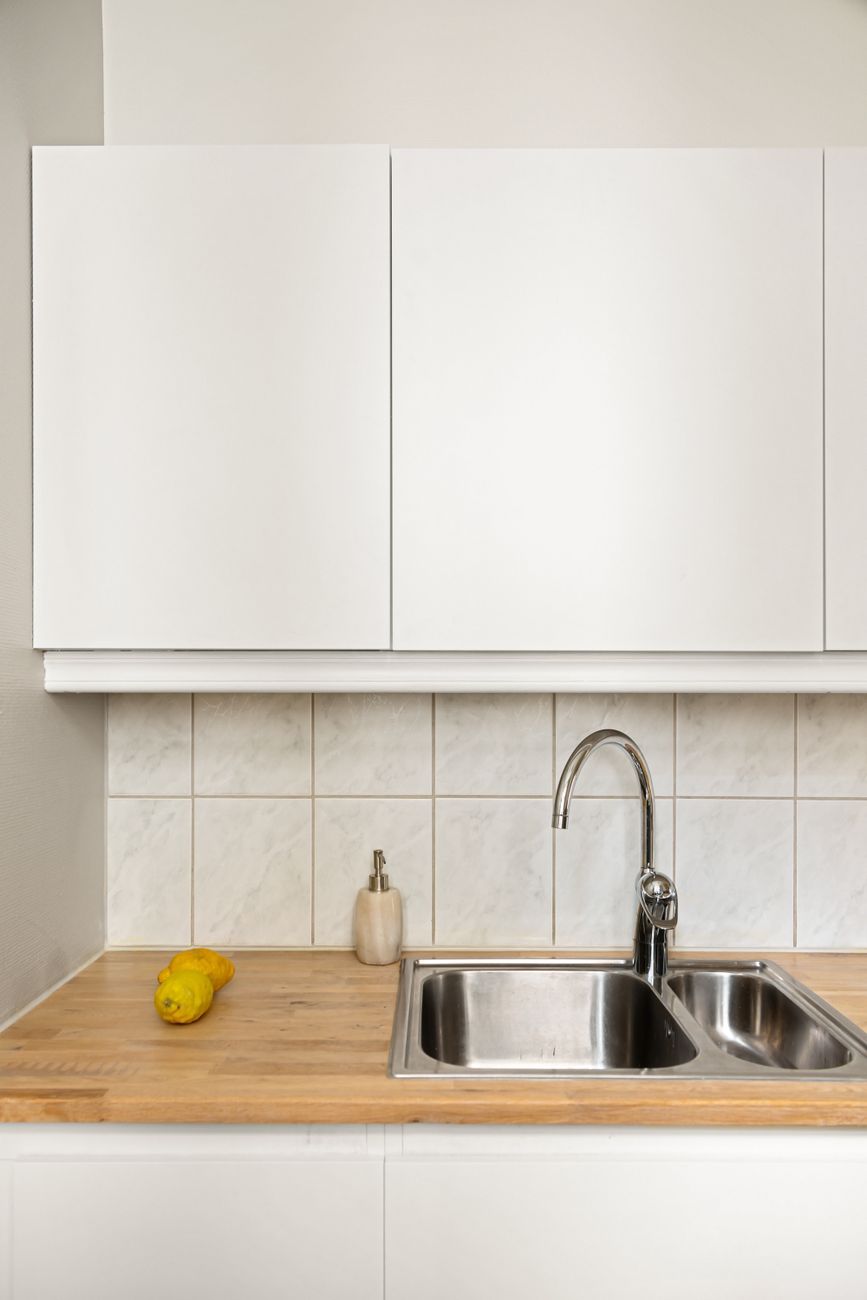
I did not know stainless steel sinks were supposed to shine. For two years. Mine was dull, streaky, covered in water spots, and I assumed that was just what stainless steel looked like after a while. Then I stayed at a friend’s house and her sink looked like a mirror. I asked what she used. She laughed and said “Flour.”
Plain white flour. You buff it onto a clean, dry sink with a microfiber cloth and it polishes the steel to a reflective shine. I thought she was messing with me. She was not. It works because the fine starch particles act as a micro-abrasive — gentle enough not to scratch but gritty enough to lift the oxidation layer off the surface.
The Full Restore Routine
- Clean the sink first. Dish soap and a sponge, rinse thoroughly, dry completely with a towel. Flour on a wet sink makes paste, not polish.
- Sprinkle about a tablespoon of flour onto a dry microfiber cloth.
- Buff in circular motions. Press firm but not hard. You will see the shine emerge within about thirty seconds per section.
- Wipe away excess flour with a clean dry cloth.
That is it. The whole thing takes maybe three minutes and costs essentially nothing.
What About Water Spots?
Flour buffs out light water spots. For heavier mineral deposits from hard water, wipe the sink down with white vinegar first, rinse, dry, then do the flour buff. The vinegar dissolves the calcium deposits. The flour brings back the shine.
One thing I learned the hard way: do not use steel wool on stainless steel. It leaves tiny iron particles in the surface that rust later, creating little orange freckles all over your sink. Stick to flour, microfiber cloths, and the occasional baking soda scrub.
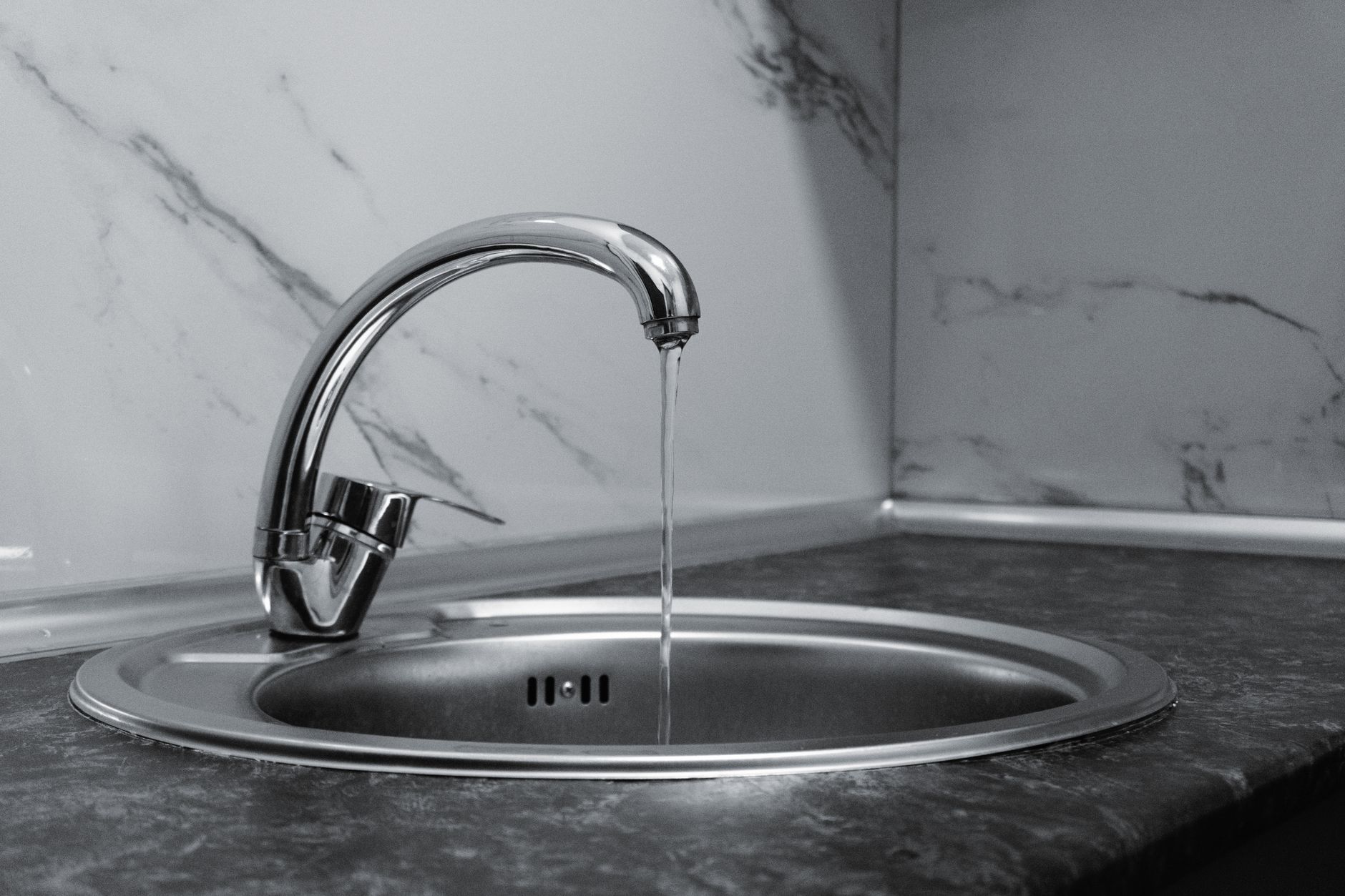
Three minutes. Flour. A rag. A sink that looks like a five-star hotel kitchen.
📋 Quick Summary: Buff a clean, dry stainless sink with white flour on a microfiber cloth. Circular motions, three minutes. For water spots, wipe with vinegar first. No steel wool — it rusts.