Breathing Exercises That Stop Anxiety in Minutes
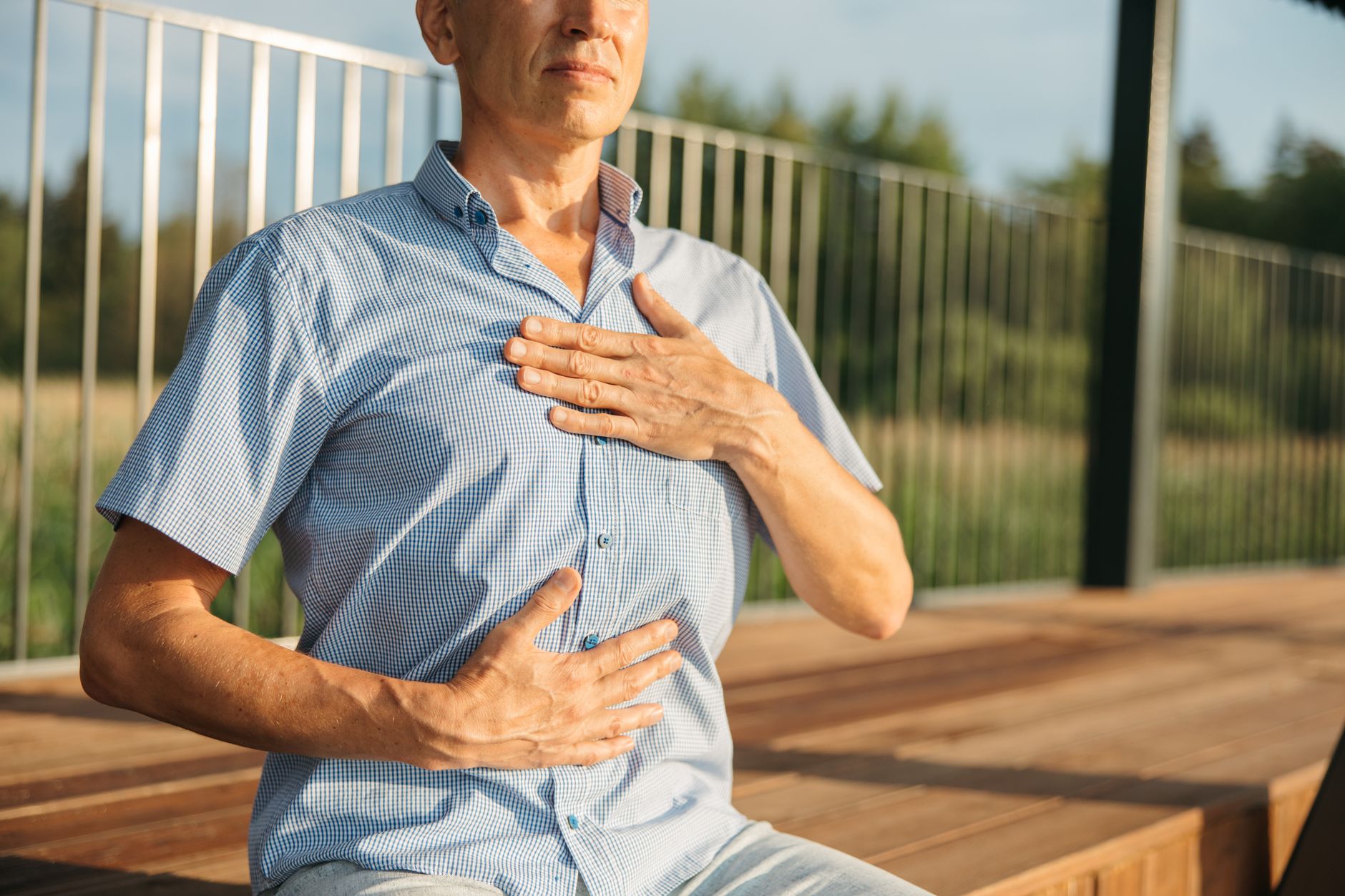
I used to roll my eyes at breathing exercises. “Just breathe” sounded like something you tell a toddler, not a real strategy for anxiety. Then I had a panic attack in a parking lot before a job interview and a friend walked me through a breathing pattern that brought me from “I cannot do this” to “okay, I can walk in the door” in about four minutes.
The science is solid. Slow, controlled breathing activates the parasympathetic nervous system — the “rest and digest” response — which counters the sympathetic “fight or flight” activation that drives anxiety. Here are three patterns that actually work.
4-7-8 Breathing (For Immediate Calm)

This is the one my friend taught me. Developed by Dr. Andrew Weil, it works by forcing a longer exhale, which slows your heart rate.
- Inhale through your nose for 4 seconds.
- Hold your breath for 7 seconds.
- Exhale through your mouth for 8 seconds. Make a whooshing sound.
Do four cycles. Do not do more than four at first — it can make some people lightheaded. After four cycles, breathe normally for a minute and assess how you feel. Usually the edge is off by then.
Box Breathing (For Focus and Reset)
Navy SEALs use this before high-pressure situations. It is simpler to remember than 4-7-8 because all four sides are equal.
- Inhale for 4 seconds.
- Hold for 4 seconds.
- Exhale for 4 seconds.
- Hold for 4 seconds.
Repeat for two to five minutes. This is my go-to before presentations or difficult conversations. It does not make the anxiety disappear — it just makes it manageable. The edge comes off. Your voice stops shaking. Your hands steady.
5-5 Breathing (The Easiest One)
Inhale for 5 seconds, exhale for 5 seconds. That is it. No holds. You can do this anywhere — in a meeting, on the subway, waiting in line. Nobody notices. The equal rhythm forces your nervous system to slow down.
I do this in traffic. It does not fix the traffic. It fixes my reaction to the traffic, which is the part that actually matters.
When Breathing Is Not Enough
Breathing exercises help with acute anxiety — the kind that hits in the moment. They are not a substitute for therapy, medication, or addressing the underlying causes of chronic anxiety. If you are having frequent panic attacks or anxiety that interferes with daily life, talk to a professional.
Think of breathing exercises as a first-aid tool. They stop the bleeding. They do not heal the wound.
📋 Quick Summary: 4-7-8 breathing for immediate calm (4 cycles max). Box breathing for focus (4-4-4-4). 5-5 breathing for subtle anxiety relief anywhere. Breathing exercises are first aid for acute anxiety — not a replacement for professional help with chronic issues.