My 30-Day Cold Shower Experiment and What Surprised Me Most
📋 Quick Summary
I first heard about cold showers from a podcast where a very enthusiastic Dutch man spent twenty minutes explaining how ice baths had transformed his life. I rolled my eyes so hard I nearly injured myself.
I first heard about cold showers from a podcast where a very enthusiastic Dutch man spent twenty minutes explaining how ice baths had transformed his life. I rolled my eyes so hard I nearly injured myself. Cold showers, in my mind, were for wellness influencers and people who use words like “biohacking” unironically. But I kept hearing about the supposed benefits — improved circulation, better mood, increased alertness — and eventually, curiosity combined with a dare from my brother pushed me to try it for thirty days.
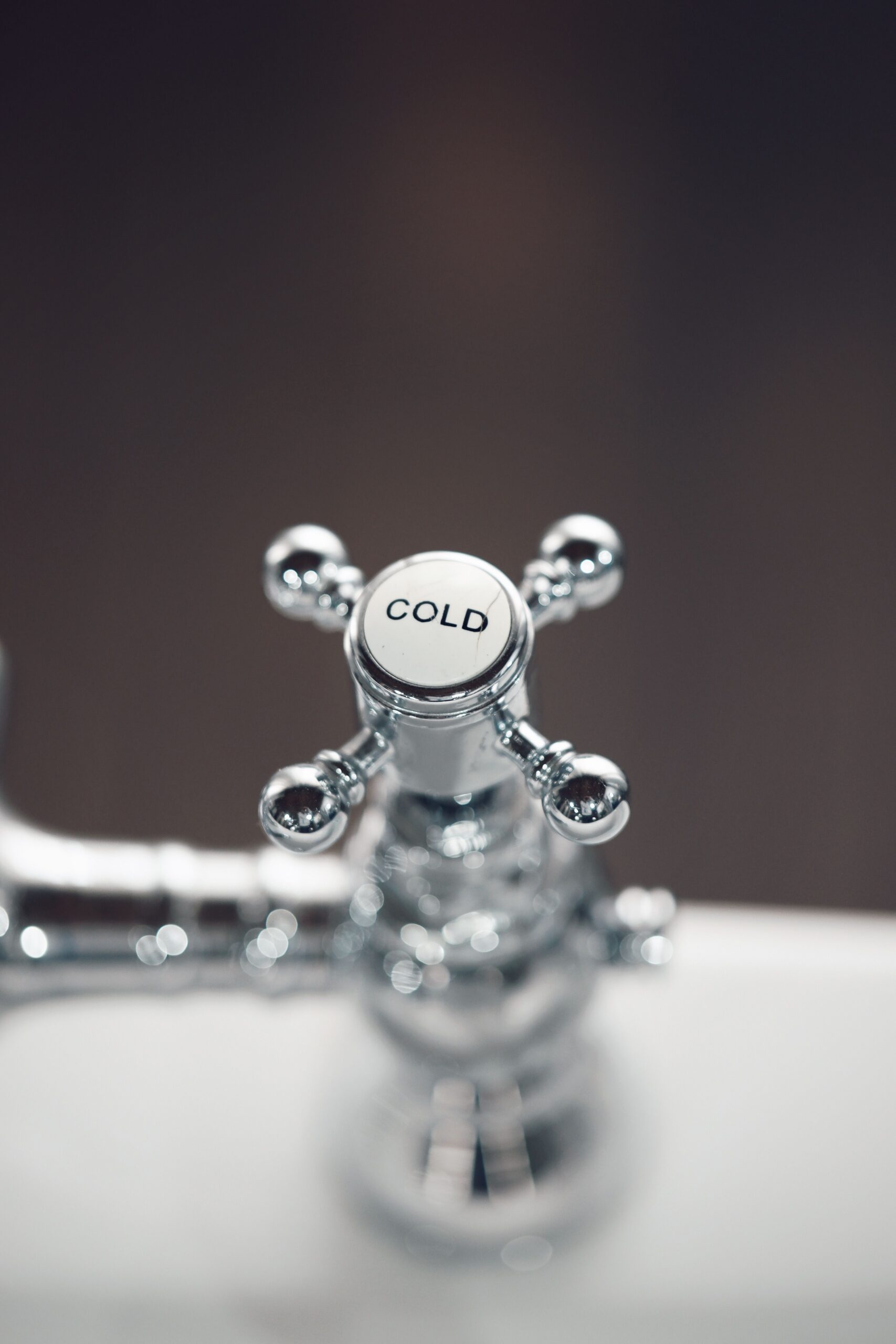
The rules were simple: every morning shower had to end with at least two minutes of cold water. Not lukewarm. Cold — as cold as the tap would go. I could start warm and switch to cold at the end, which felt like a reasonable concession to sanity.
Day one was a shock in the most literal sense. I stood under the warm water for my normal shower, took a deep breath, and turned the dial all the way to cold. The gasp that came out of my mouth was involuntary and embarrassingly loud. My wife called through the bathroom door to ask if I was okay. The two minutes felt like twenty. When I got out, I was shivering but also, undeniably, very awake. More awake than any cup of coffee had ever made me. That part was genuinely impressive.
The first week was pure discipline. Every morning, I stood in front of the shower arguing with myself. The internal negotiation was always the same: “You could skip today. Who would know?” But I had told my brother I’d do it, and sibling pride is a powerful motivator. By day five, I noticed that the shock was less shocking. My body was adapting, and the breathing technique I’d developed — slow, controlled exhales — was becoming automatic.
Week two brought the first unexpected benefit. I have a skin condition called keratosis pilaris — those small, rough bumps on the backs of my arms that never seem to go away no matter what lotion I use. After ten days of cold showers, the bumps were noticeably reduced. I hadn’t changed anything else in my skincare routine. It turns out that hot water strips oils from the skin and can worsen certain conditions, while cold water preserves the skin barrier. This wasn’t why I started, but it became a reason to continue.
The mental effects were subtler but more significant. By week three, I noticed that the cold shower had become a kind of daily proof of resilience. Starting the day by voluntarily doing something uncomfortable made other discomforts seem manageable. A difficult work conversation, a frustrating commute, a workout I didn’t want to do — all felt easier because I had already faced the cold water. This sounds like motivational poster nonsense, but I experienced it genuinely.
After thirty days, I didn’t keep the daily cold shower habit. I missed warm showers too much, especially in winter. But I still end my shower with cold water two or three times a week, especially on mornings when I’m tired or dreading something. It’s become a tool rather than an identity. The experiment taught me that I can do hard things voluntarily, and that lesson outlasted any physical benefits.