The Grocery List Hack That Cuts Your Bill by 20 Percent
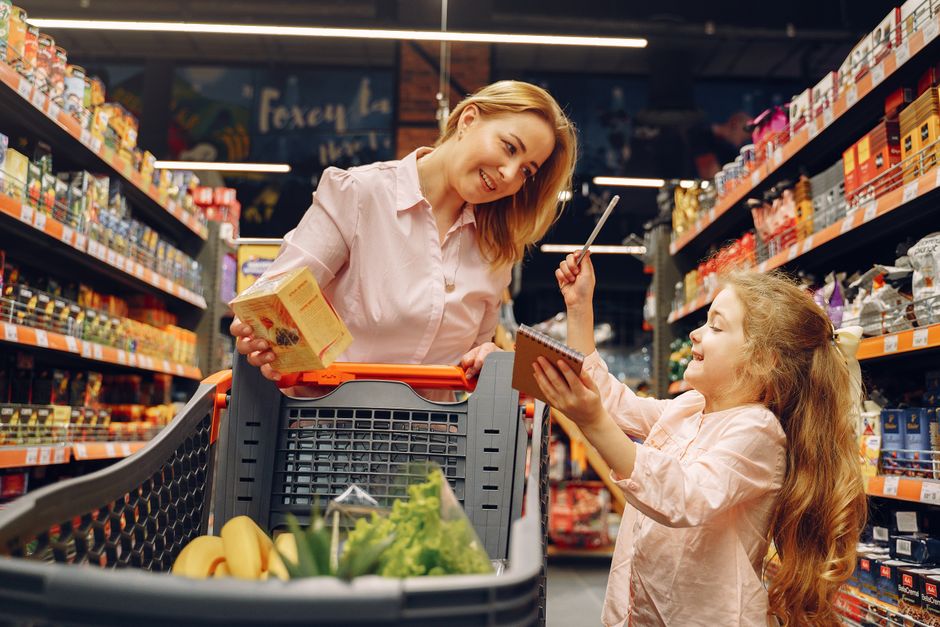
I used to walk into the grocery store with a vague idea of what I needed and walk out with $180 worth of things I could not turn into actual meals. Cereal, random cheese, a jar of something that looked interesting, and no plan for dinner.
Then I started doing one thing differently: I made the list based on the store layout. My bill dropped by about 20% the first month and I stopped throwing away produce I forgot I bought.
The Layout List Method
Grocery stores are designed to make you spend money. Essentials like milk and eggs are in the back so you walk past everything else. The bakery pumps out smells to make you hungry. Endcap displays are paid placement, not deals.
A list organized by store section — produce, dairy, meat, pantry, frozen — does two things: it prevents backtracking (which exposes you to more impulse items) and it forces you to think about what you actually need from each section.
I use a shared note on my phone with these headers. As we run out of things during the week, each item goes under its section. By shopping day, the list is done.
Eat Before You Shop
This is not a list trick but it might matter more than the list. Shopping hungry makes you buy 23% more food, according to a study in JAMA Internal Medicine, and not healthy food — high-calorie snack items. Eat a real meal before grocery shopping. Even a granola bar in the parking lot helps.
Check the Unit Price, Not the Sale Tag
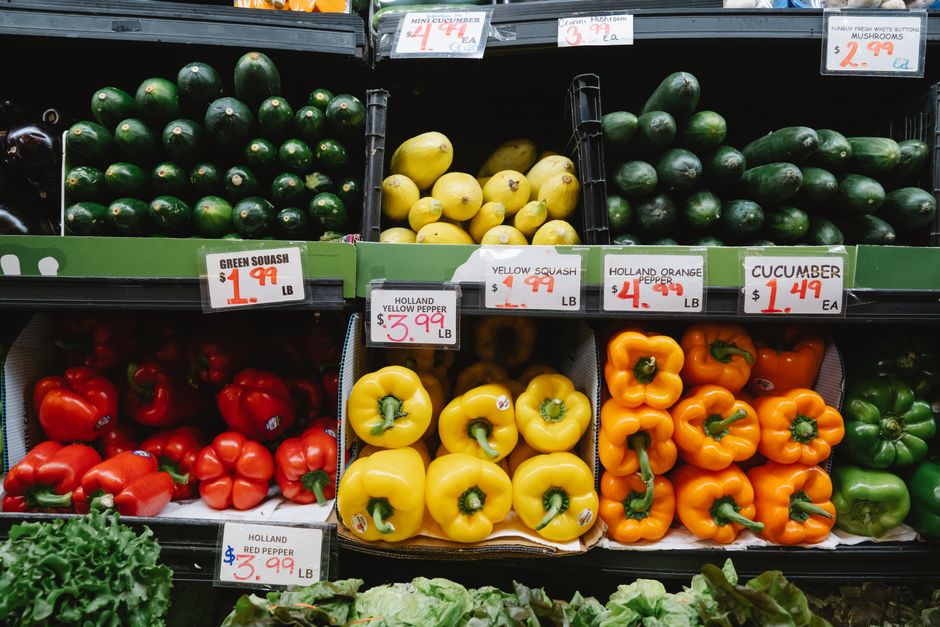
The big yellow tag says “SALE” but the unit price — the small number in the corner that says “per ounce” or “per pound” — tells you whether it is actually cheaper. A “family size” box is sometimes more expensive per ounce than the regular size. Stores count on you not checking.
The unit price is also how you compare brands. The store brand is almost always cheaper per unit, sometimes 30-50% less, and often made in the same facility as the name brand.
Stick to the List — But Allow One Wildcard
Rigid lists break because you see something on sale that would actually be useful. I give myself one “wildcard” item per trip — something not on the list but genuinely useful, like a marked-down cut of meat I can freeze or produce on deep discount. This prevents the feeling of deprivation that makes you abandon the system.
The wildcard is intentional. The random bags of chips and novelty hot sauce are not.
📋 Quick Summary: Organize list by store section, eat before shopping, check unit prices (not sale tags), and allow one intentional wildcard to keep the system sustainable.