Warm Up Your Home Without Turning Up the Heat
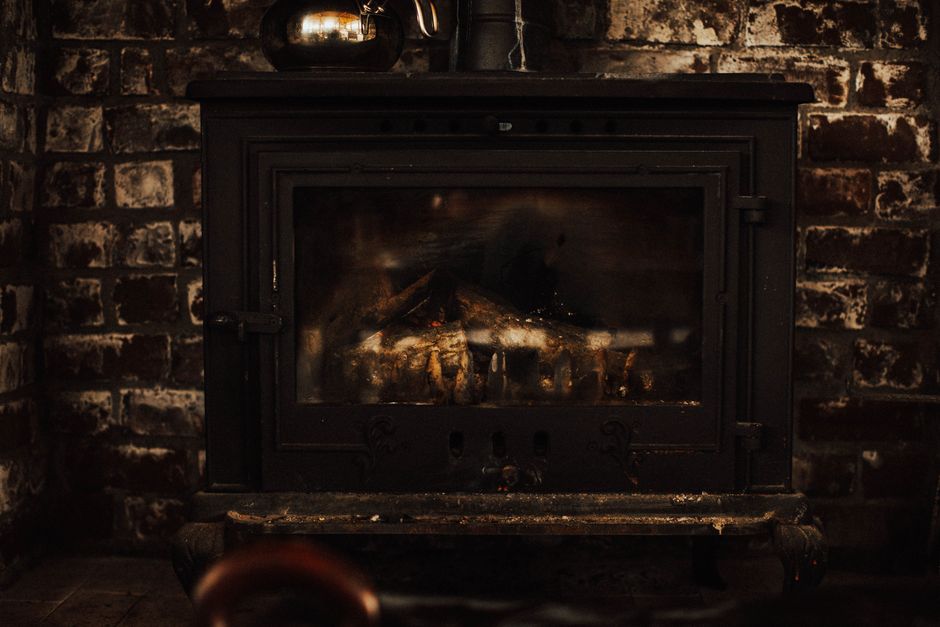
My first winter in a rental house with oil heat, I got a $400 bill in January and nearly choked. The thermostat was set to 68 and the house still felt cold. I was hemorrhaging money and not even comfortable.
I spent that winter figuring out where the heat was actually going. Some of the fixes cost nothing. The best one cost twelve dollars.
Find the Leaks First
You cannot fix what you cannot find. On a cold, windy day, walk around with a damp hand. Hold it near window frames, door jambs, electrical outlets on exterior walls. Cold air hitting damp skin is instantly noticeable. Mark every leak you find — there will be more than you expect.
An incense stick also works — the smoke will flicker or blow sideways near drafts. The damp hand method is faster for a first pass.
The Twelve-Dollar Fix
Rope caulk — also called removable weatherstrip caulk — costs about $12 a roll at any hardware store. It is like modeling clay in a long strip. Press it into window gaps and door frames and it seals them. It peels off when you move out, so it is landlord-friendly.
I sealed six window frames in under an hour. The room temperature on the thermostat did not change, but the living room felt warmer because the cold drafts stopped hitting my skin.
The Thermostat Trick Nobody Mentions
Turn the heat down when you are under blankets — either sleeping or on the couch. Your body generates its own heat under a blanket and you do not need the 68-degree air. I set mine to 62 at night and 65 during the day when I am home and moving around. The savings added up fast.
If you have a programmable thermostat, set it to warm back up 30 minutes before you wake up. The house does not need to be warm while you are unconscious at 2 AM.
Capture What You Already Have
If you have south-facing windows, open the curtains during the day. The sun is free heat. Close them at night to add an insulating layer. Heavy curtains make a real difference — I swapped sheer curtains for thermal-backed ones and the bedroom held heat noticeably better.
Run ceiling fans clockwise on low in winter. Most fans have a switch that reverses direction. Hot air rises to the ceiling — clockwise pushes it back down. It feels wrong running a fan when you are cold, but you will feel the warm air circulate within a minute.
📋 Quick Summary: Seal drafts with rope caulk ($12), lower thermostat at night, open south-facing curtains during the day, reverse ceiling fans to push heat down.