Bring Butter to Room Temperature Without Forgetting and Then Waiting Forever
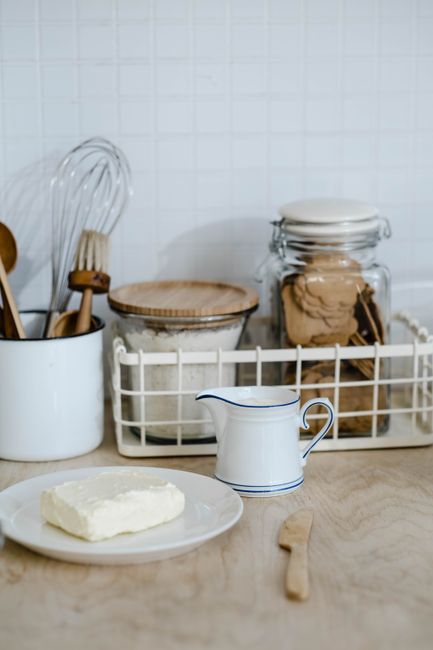
Every baking recipe starts the same way. “One stick of butter, softened.” And every single time, I read that line and think — did I take the butter out? No. No I did not.
I have microwaved butter more times than I can count. Usually it melts unevenly. Half is a puddle, half is still a cold brick. Then the cookies spread too much and I wonder why they look like pancakes.
The Microwave Is Not the Answer (But Here Is How to Use It Right)
If you must microwave, here is the only way that does not ruin everything. Cut the butter into small cubes first — about half-inch pieces. Arrange them in a single layer on a plate. Microwave at 20% power in 10-second bursts, checking between each one. One stick takes about 30-40 seconds total.
The small cubes matter because microwaves heat from the outside in. A whole stick has too much thermal mass in the center. The outside melts while the inside stays cold. Cubes solve this — more surface area, faster and more even softening.
But honestly? I still mess this up sometimes. 20% power is fiddly and I get impatient.
The Grating Method — Weird but It Works
My neighbor — the one who brings brownies to every block party — taught me this. Grab a box grater. Grate the cold butter like you would cheese.
Cold butter grates surprisingly easily. The shreds are thin enough that they come to room temperature in under 5 minutes sitting on the counter. No microwave, no planning ahead, no butter-flavored pancake cookies.
This also works if you forgot to soften butter but need to cream it with sugar. Just grate it straight into the mixer bowl. The shreds incorporate faster than a solid stick.
The Warm Glass Trick
Another method I use when I remember the butter exists but only 10 minutes before I need it: fill a drinking glass with hot tap water. Let it sit for a minute to heat the glass. Dump the water, dry the glass, and invert it over the stick of butter sitting on a plate.
The trapped warm air softens the butter gently — no melting, no uneven spots. Takes about 8-10 minutes for a full stick. This is my go-to for buttercream frosting where texture actually matters.
What Actually Softened Butter Means
I baked for years without knowing what “softened” really meant. Here is the test: press your finger into the butter. It should leave a dent with slight resistance. If your finger sinks through like warm cream cheese, it is too soft — your cookies will spread. If it barely gives at all, keep waiting.
Properly softened butter is roughly 65°F. Colder than room temperature in most kitchens. If you take the butter out of the fridge 30 minutes before baking, you are usually in the sweet spot.
The real trick is just putting the butter on the counter before you do anything else. Before you measure flour, before you preheat the oven, before you even find the recipe. Butter first. Always.
📋 Quick Summary: Grate cold butter for 5-minute softening, use the warm glass method for 10-minute results, or cut into cubes and microwave at 20% power. Optimal softened butter is 65°F — your finger should leave a dent with resistance.