Never Cook Dry Chicken Breast Again — The One Trick That Fixed Mine Forever
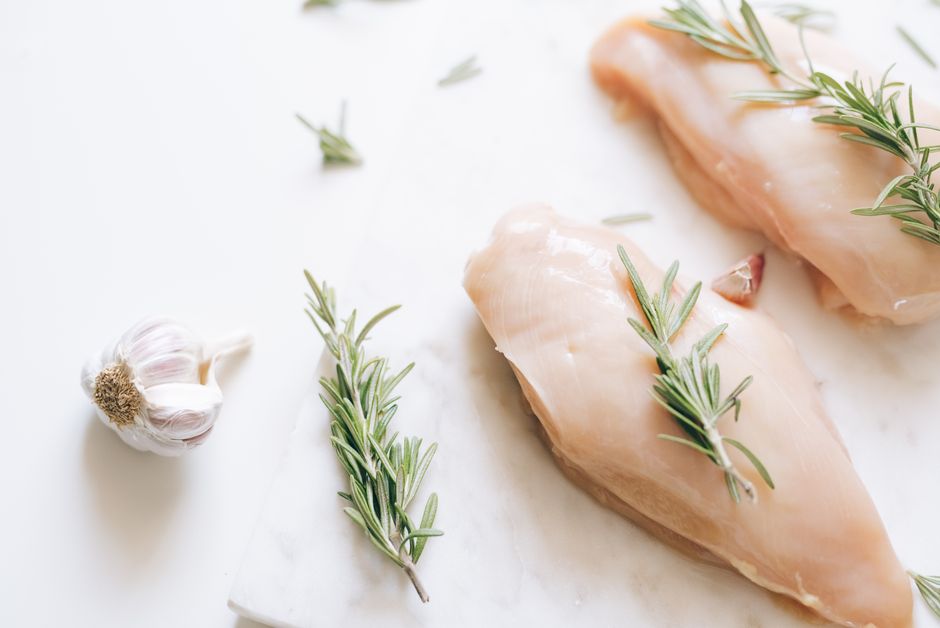
I ruined chicken breast for years. Every single time — dry, stringy, the kind of meat you chew for three minutes and still can’t swallow. I thought that was just what chicken breast was. Turns out I was missing one stupidly simple step.
The Real Problem Is Not the Heat
Most people blame the oven or the pan. They crank down the temperature, watch the timer like a hawk, pull the chicken at exactly 165°F. And it is still dry. That is because the problem starts long before the heat hits the meat.
Store-bought chicken breast loses moisture just sitting in the package. By the time it hits your skillet, the outer layers are already dehydrated. Cooking just finishes the job.
Brining — Five Minutes, Huge Difference
You do not need an overnight marinade. You do not need buttermilk or yogurt or a vacuum sealer. You need salt water. That is it.
Here is what I do now:
- Fill a bowl with lukewarm water — about 2 cups per breast.
- Dissolve 1 tablespoon of kosher salt per cup of water.
- Drop the chicken in. Let it sit for 15 to 30 minutes on the counter. Not in the fridge — cold brine works slower.
- Rinse, pat completely dry with paper towels, then cook.
Salt does two things here. It denatures the proteins so they hold onto water instead of squeezing it out during cooking. And it seasons the meat from the inside — no bland center even if you forget to season the outside.
I tested this side by side once. Two breasts from the same package. One brined, one not. Same pan, same heat, same cook time. The brined one was visibly plumper when it came out. The unbrined one had that familiar chalky dryness. My wife asked if they were from different chickens.
What About the Pan?
Brining fixes the moisture problem. But you can still screw up the cook. Two things that helped me:
- Pound it even. Chicken breasts are shaped like a teardrop — thick on one end, thin on the other. The thin end overcooks before the thick end is done. Put it between two sheets of plastic wrap and pound the thick part until the whole thing is roughly the same thickness.
- Rest it. Do not slice the second it comes out of the pan. Give it 5 minutes. The juices redistribute. If you cut too early, they all run out onto the cutting board.
I also learned to stop cooking at 160°F instead of 165°F. Carryover heat brings it up the last 5 degrees while it rests. The USDA says 165 is the instant kill temperature for bacteria — but chicken held at 160 for 15 seconds is equally safe. That extra margin is the difference between juicy and dry.
If You Forget to Brine
It happens. You get home, you are tired, you just want dinner. Two emergency fixes:
Pound and salt. Flatten the breast, salt both sides heavily, let it sit 10 minutes while you prep everything else. It is not as good as brining, but it is better than nothing.
Slice and sauce. If the chicken comes out dry anyway — slice it thin against the grain and toss it in whatever sauce you are using. The slices expose more surface area. Thin against the grain makes it feel less chewy.
📋 Quick Summary: Brine chicken breast in salt water for 15-30 minutes before cooking, pound it to even thickness, pull at 160°F, and rest for 5 minutes. You will never eat dry chicken again.